
How Not To Completely Blow It Over the Holidays

Once again, Passover and Easter coincide on the calendar, and many people are wondering how they can make through the holidays without completely blowing healthy eating habits out of the water. I have posted about how to best prepare for holiday eating in the past as well as how to respond when the efforts fall short, but I want to focus on one issue in particular: alcohol consumption.

From my limited knowledge of Easter observances, it does not seem like drinking is a big part of the celebration. Those taking communion may have a small sip of wine, but there is not Easter equivalent to spiked Eggnog or champagne enjoyed during the December holidays.

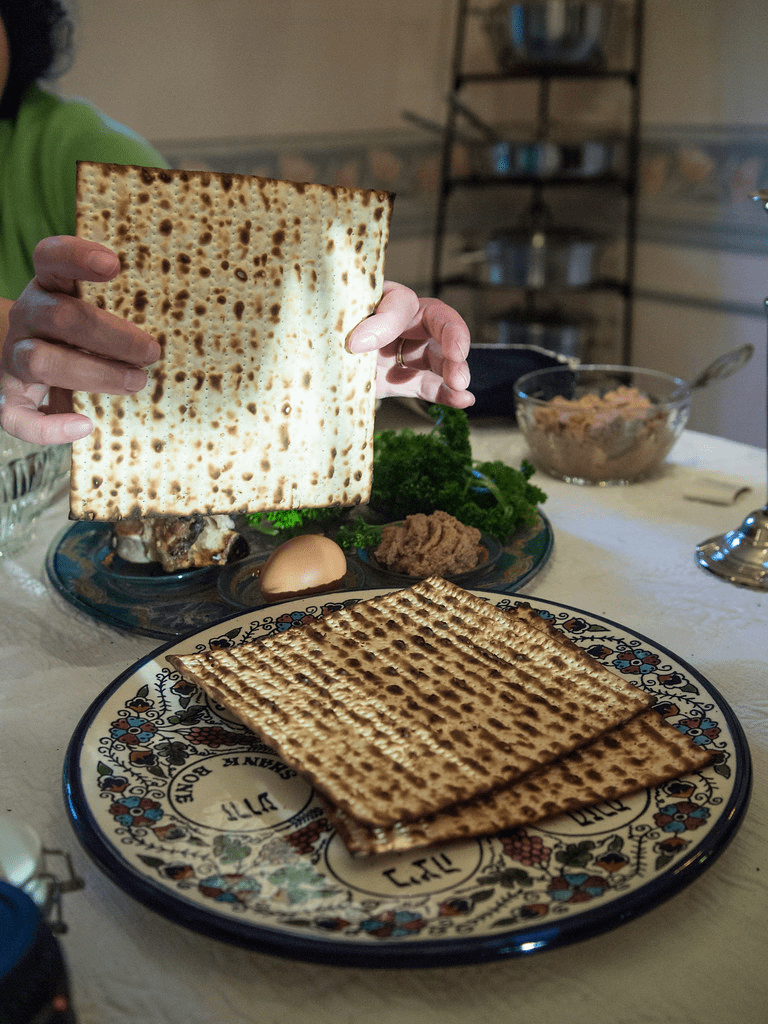
In Judaism, however, the drinking of wine (and other intoxicants) is baked into the observance of every Shabbat and holiday. It is the very way that these special days are sanctified. Passover brings it to a whole other level; participants in the Seder meal are “required” to drink four glasses of wine. Why? Wine is a symbol of joy and each glass represents the joy of the four different way God redeemed the Hebrews from Egyptian slavery (according to the Torah).

I am a firm believer in moderation, but four cups of wine hardly seems moderate! Of course, this is only two nights out of the year, but is there a way to keep it under control? This year, I am going to go for wine-tasting pours. If you have ever been to a winery and had a tasting, you know that the pours are relatively small–especially when compared with what you would get when you order a glass of wine with a meal. Since I have been working really hard at eating healthy and managing my weight, I do not want to drink so much that I begin to make poor decisions about what I am eating–how much Matzoh can you eat anyway? I find that I eat more moderately if I do not drink, so the Seder is always a challenge.

Aside from the way that alcohol can affect the choices we make, drink intoxicants can have other dietary effects. Alcohol is what is often referred to as empty calories; they are high in calories and do not bring a lot of nutritional value to the table. When we imbibe, our bodies also prioritize metabolizing the alcohol over burning fat which can stymie fat loss for over 24 hours. It really is a double-whammy in this regard. We may eat more than we had hoped and our bodies are less likely to burn it.

Wine is delicious, and I certainly enjoy it. I like a good cocktail now and again too. We should, however, be cognizant of how alcohol consumption figures into the bigger picture. Moderation is fine but on nights when we know there may be extra temptations, we should be aware of the pitfalls and plan for them.

Whatever you celebrate (or don’t), wishing everyone all the best for Passover and Easter!

The Most Wonderful Time of the Year?

Thanksgiving Dinner

Andy Williams sang, “It’s the most wonderful time of the year….” The holiday season ushered in by Thanksgiving is wonderful in so many ways: family gatherings, festive meals, joyous music, and fun family traditions. It is for many, though, the most difficult time of the year.

The holidays season puts a lot of stress on us. The continued emphasis on consumerism around Christmas and Hanukkah is not only stressful as we try to get the perfect gifts, but it also puts pressure on our financial situation. There is also the potential conflict that arises in families–you know that crazy uncle who always brings up politics! We may also be worried about meeting year-end goals. It is just a very intense time of the year.

I have blogged in the past about how to try to approach the holidays–and Thanksgiving, in particular–in a more healthy way. Last year, we had the added issue of families preparing smaller feasts given the isolation and reduced gatherings necessitated by COVID-19; for many, that is less of an concern this time around. For most people, this final part of the secular year becomes a battle against overeating; it is exacerbated by an extra busy schedule which might make finding time to exercise and get enough sleep challenging.

There are two key factors that I keep in mind as the holidays near.

1. Plan, plan, plan. Typically, my wife and I plan our menus out a week in advance. We know what we are going to have for each meal, create the shopping list accordingly, and thus avoid (mostly) purchasing foods that are less healthful. I plan as well for those days when I know there will be a lot of food around (Thanksgiving, Hanukkah, football games, holiday parties, etc.) so that I eat moderately the rest of the day; at the “event,” I do my best to drink lots of water and set simple rules for myself like “fill the plate one time only” or “skip the sides and save for dessert,” so that I do not gorge myself. As an aside, try to limit alcohol intake as it is dehydrating and often lessens our resolve to follow our rules. I also take a look at my week and day in advance to figure out when I will be able to work out; I am a personal trainer and I also teach fitness classes so this is a little easier for me, but there are days when I have to simply block out the time to make it happen. This time of the year calls for planning.

2. Be kind and forgiving to yourself (and others). It is almost inevitable that we will have a “bad” day. We may go into that holiday party with the best of intentions, totally prepared and planful, only to take one look at the baked salami, pecan pie, and spinach/artichoke dip and it’s all over. It happens to almost every one of us, including me. I do not beat myself up over it; I do not consider myself a failure. I am only human. Instead, I get back on track the very next morning. In the long run, one bad day is not going to ruin our health. What will be harmful is getting upset at ourselves, giving up, and turning one bad day into a bad week, month, or year. Recognize that there are times when we come up short; that is OK, and we just look forward. Be kind to yourself.

Finally, remember that this time of the year is not about obsessing about our eating habits and exercise. This should be a concern (not obsession) all year round. Take into consideration the special circumstances of the holiday season, but do not get overwhelmed. After all, with the gatherings, music, tradition, and treats–no matter what holiday(s) you celebrate or do not–it is really a most wonderful time of the year!