
How’s That Resolution Going?

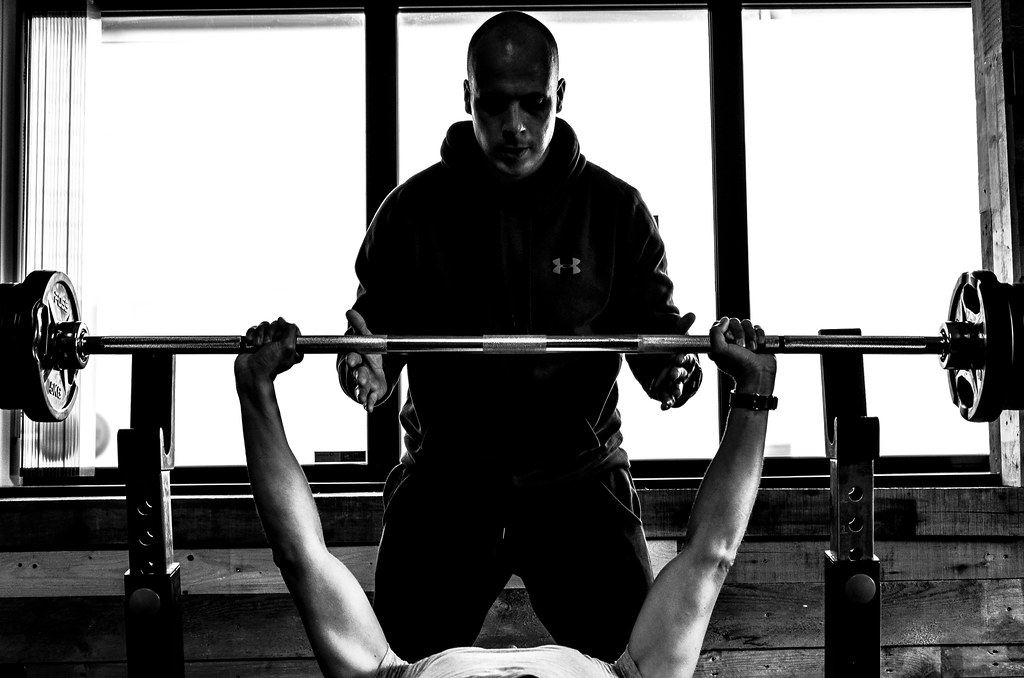
It’s almost a month into to the New Year and I am wondering: how’s that resolution going? When I used to be a regular gym-goer (I now work out at home) and later as a personal trainer at a gym, it was somewhat entertaining to watch the surge of new people who joined the gym in late December or early January. At first, the gym would be way busier than usual, but within a few weeks, it was back to the regulars with perhaps a few newbies still hanging in there.

Many folks have an all-or-nothing attitude to their New Year’s resolutions. If they do not hit success immediately, they simply give up. A more helpful approach is to take a step back and try to figure out what is not working and why? Ideally, when making a resolution in the first place, one should examine what has worked in the past, what has not worked in the past, what are the obstacles to success, and what is the best path toward achieving the goal. After the fact, though, is also a good to ask these questions. If the visits to the gym have petered out, why is that? Is it too hard to fit it into the schedule? Is the atmosphere too intimidating? Do you feel judged? Is it boring…or just too difficult? Answer those questions and then figure out how to overcome it. The solution could be to set a time (or times) on the weekly calendar that is dedicated to fitness. How about grabbing a friend who is willing to be on the journey with you? What about asking for help?

This, to me, is perhaps the most important point. Our fitness and health are too important to just give up. Get some help. That could be from a fitness professional–at a gym or who (like me) comes to your home or trains on-line. Contact a friend who is into fitness and can give you advice and encouragement. You may even be in touch with your physician who can refer you to providers who can help you meet your goals. It is tough to ask for help–especially when we like to think that we are strong enough to handle our own “problems.” Many times, however, reaching out can change the trajectory.

Do not give up on your goals (fitness or otherwise) just because it is not going as you hoped in the new year. January is not over yet; there are 11 months to go. Get some help, and let’s make 2026 a year of good health and fitness!

My Video Course is Live!

It is official! My video course: “Senior Strength for Better Walking” is now live on in the world wide web!

The course is comprised of four 20-ish minutes videos that focus on building lower body strength to help with walking. Each video has a warm-up as well as stretches at the end. It is designed for individuals who are not regular exercisers, or who have never exercised, but have decided that they would like to be able to keep walking for a while longer. As you go from one video to the next, the exercises become more challenging. Learners can focus on Video 1 for a while and then go on to Video 2 once they feel ready, or the videos can be played in a rotation. The only equipment needed is a chair, a mat, a water bottle, and some light dumbbells (not required).

Click here to go to the course. Watch the introductory video and let me know what you think. I am really proud of the work that has gone into this project. Please feel free to share it widely with those whom you think might benefit from an effective and fun lower body workout!

Approaching the New Year!

Hard to believe but 2025 is almost past us. Was it a good year for you, or are you ready to wish it farewell? A lot of good things happened for me this year–as well as some real challenges–and I am hoping for the best in 2026.

Of course, in the Fitness Industry, the New Year is a very busy time. The gyms and fitness centers are filled with those whom I like to call “resolutionaries.” For the first few weeks of the year, there are those who resolved to “get in shape” or “lose weight,” and they flock to gyms and fitness centers. For the vast majority, this only lasts for short time. The cycle can plays out year after year.

In the past, I have blogged about New Year’s resolutions. In 2019, I discussed strategies for having real success and sticking with it. The next year–in the middle of the pandemic–I blogged about realistic goals and expectations given the difficult circumstances, especially with regard to weight loss. In 2023, I focused on the importance of finding someone to help you or join you as you renew your fitness journey. I stand by all my advice from the previous years. Review these short essays and hopefully they will inspire and motivate you.

Finally, 2026 is the year when my first fitness videos will become available on-line. Entitled “Senior Strength for Better Walking,” it is a beginner’s level 4-part course (each session is about 20 minutes long) aimed at lower body strength. I am excited to expand the message and hope it will resonate with many older adults out there. It would be amazing if it were the first of several courses I am able to put out there.

In the meantime, best wishes to you all for a happy, healthy, and safe 2026. Remember, the work you put into keep your body healthy in 2026, will affect the way that 2027, 2028, and beyond will look and feel. It is never too late to start!

Exercise and Diabetes

When we think about November, most of us think about Thanksgiving, but it is also American Diabetes Month. I have blogged about Diabetes in the past, here are a few things we should all know about Diabetes and exercise.

Diabetes is a chronic disease where the body does not produce enough insulin or cannot properly use it, leading to high blood sugar levels.  This occurs because insulin, a hormone, is necessary for blood sugar (glucose) to enter cells for energy. Over time, consistently high blood sugar can cause serious health problems like heart disease, vision loss, and kidney disease. Generally, when we think of Diabetes, we think of controlling the disease through diet and medication (namely insulin). Major organizations such as the American Diabetes Association and the National Institutes of Health also recommend that regular exercise be a part of the plan for controlling blood glucose levels.

It is worth noting that many people with Diabetes (especially Type 2) have a number of other health issues such as obesity and being overly sedentary. The thought of starting an exercise regimen may seem daunting. After a diagnosis of Diabetes, there are so many changes to deal with: learning to inject medicine (in some cases), changing diet, monitoring blood levels, etc. How is it possible to add regular physical activity to that mix?

The American Diabetes Association recommends (and I echo this sentiment) beginning slowly. A journey of a thousand miles begins with a single step. It may not be feasible or desirable to immediately jump into a daily exercise routine. A primary care physician or endocrinologist should be consulted so that a person with Diabetes understands the effect that exercise can have–especially when it comes to glucose levels. An exercise professional such as a personal trainer can also assist in the process; it is important to choose one who either has certification for or extensive experience working with clients who are diabetic.

The diagnosis of a chronic disease is never easy. In many cases, though, there are choices that we can make to control the way the disease will affect our lives. One of the choices is incorporating regular exercise into our schedule. It may be scary and overwhelming at first, but with the right kind of help, we can have a big impact.

Lights, Camera, Action!

A week ago today, I finally took a big step in a project that has been about four years in the making: filming some exercise videos.

The work that I do with older adults is not just a job, but also an important to service. Exercising at every age is one of the key factors to maintaining good health and fitness. As we age, however, it becomes all the more important; it can be the difference between independence and having to rely on others. Unfortunately, there are only so many hours in the day and–even with three other trainers helping me out–there is no way that I can meet all the demand. It is fairly often that I have a waiting list; some clients live outside of our service area and At Home Senior Fitness cannot meet their needs either.

This was part of the reason behind my wanting to explore creating digital content. I took a CEC course a few years ago on this topic. The instructor, Sadie Nardini, is a successful online fitness instructor and she laid out in detail how to transfer in-person skills into videos that can reach a wider audience. I foolishly thought that I could embark on this initiative on my own, but it became slowly apparent to me that I did not have the technical skills to make this all happen. Several months ago, I contacted a local company that films and edits videos–mostly for companies that are bigger than AHSF–but since they are just a few miles away they were very easy to work with. The cost was less than I expected as well.

Last Wednesday we filmed a couple of short intro videos as well as four workouts. The service is paid by the hour, so we tried to be as efficient as possible. I filmed all four workouts one after the other. Needless to say, by the end I was wiped out and my muscles ached. I received my “first draft” of the first video and so far it looks great. My hope is to have most of the material in a few weeks and then have professional assistance in getting it out on the web. My social media person will also be of help in getting these workouts out there. I look forward to being able to reach more older adults with exercises that are accessible and can make a difference.

I will keep you posted on the progress. In the meantime, be on the lookout for “Senior Strength for Better Walking,” starring….Me!

Best Exercises for Osteoporosis

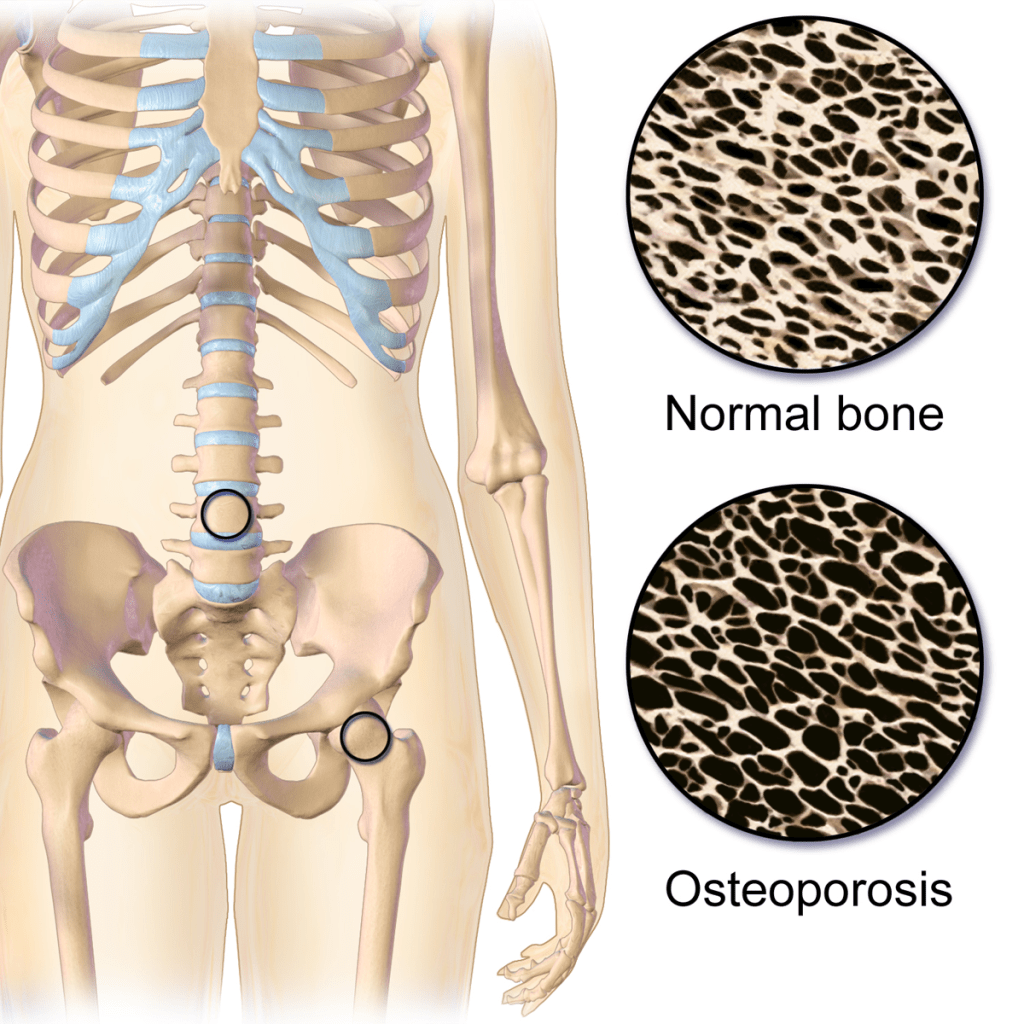
October 20 (yesterday) was World Osteoporosis Day. I blogged about Osteoporosis several years ago, but here is a quick refresher. It is a condition that weakens the bones and makes them more susceptible to injury and breakage. Although it mostly affects women, Osteoporosis can happen to men as well.

In my previous blog, I discussed the importance of weight training for those with this condition. As always, caution should be used in any exercise program and it is best to consult a medical professional before beginning. Although we have been accustomed to hearing that older people should not work with weights because they might hurt themselves or break a bone (which can happen), the opposite is the case with osteoporotic individuals. Putting controlled stress on the bones makes the stronger; working with weights does not just build muscle alone.

What are the best exercises to do for those with Osteoporosis?

According to the Cleveland Clinic, cardio exercises (that help to build heart and lung capacity) should have a weight-bearing element to them. Swimming and biking are not weight-bearing, so while they are good for the body, they will not strengthen bones. Walking, running, and dancing are examples of exercises that will affect the bone structure.

As for resistance training (using weights), the Cleveland Clinic suggests focusing on the parts of the body that are most likely to suffer a fracture: spine, hips, and wrists. As we age, many of us use lighter weights and do more reps (repetitions of the movement), but with Osteoporosis there must be enough weight/resistance to cause the bone to respond; this requires using heavier weights and doing less reps. It is important to work with a fitness or PT professional to determine the right weight, exercises, and number of reps to be most effective. Certain stretches are also important: back extensions, shoulder shrugs and rolls, knee raises, and flexing the ankle so that the toes come up toward the knees.

There are elements of diet and medications that can improve the condition, but certainly exercise is an important aspect of managing Osteoporosis. On World Osteoporosis Day, we raise awareness of the condition, the ways it can be treated, and the importance of continued research that will allow older adults to live longer, stronger, and healthier lives.

Is Your Iron the Problem?

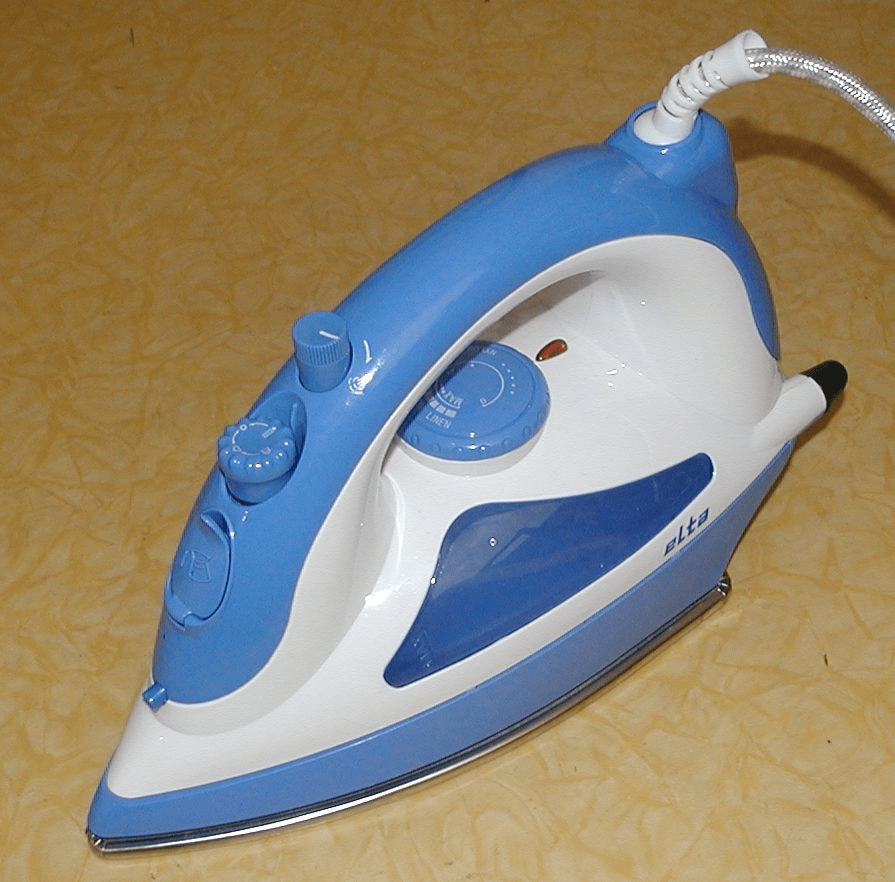
Surprise! Not that kind of iron–although it might be the problem too!

Iron deficiency in the United States has become major issue. According to the National Institutes of Health, about 25% of Americans are iron deficient. There are two kinds of deficiency: 1) having low iron stores in our bodies, which is called absolute deficiency, and 2) having difficult using the iron that is stored, which is called functional deficiency. All of the major medical associations in the USA like NIH, the CDC (Centers for Disease Control), and the AMA (American Medical Association) have sounded the alarm.

This is especially pertinent for older adults where it is particularly prevalent. It can lead to anemia, causing symptoms like fatigue, weakness, shortness of breath, and headaches. It often results from chronic blood loss due to gastrointestinal issues, poor iron absorption, or insufficient dietary intake. Anemia in seniors can manifest in various ways, including pale skin, fatigue and weakness, dizziness, shortness of breath, headaches, and a high heart rate.

How do you know if you have an iron deficiency? There is a simple blood test that can be administered by a health professional to identify if it exists and what the possible cause might be. Treatments can include iron supplements, changes in diet (increasing the intake of red meat, poultry, seafood, beans, dark leafy vegetables, and iron-fortified cereals), and addressing the underlying issues that may be causing the deficiency in the first place.

As we age, it becomes all the more important to check our iron levels. Iron is part of hemoglobin, and a healthy level helps transport oxygen to the body’s cells. Iron strengthens our immune system and can help fight infection. Cellular energy production is also dependent on iron which helps our bodies utilize oxygen more efficiently. Finally–and most compelling for adults–proper levels of iron help us to regulate body temperature, maintain healthy hair and skin, and supports cognitive function.

If you are not sure about your own iron levels, let your doctor know. The treatments are effective and can help to reverse some of the symptoms that we may relate to “old age,” like fatigue, shortness of breath, and weakened immunity. So while you may send your shirts our to get pressed, the responsibility to avoid iron problems in your body depends on you.

Training Clients with Dementia

September is World Alzheimer’s Month; it is a time to raise awareness about Alzheimer’s disease, promote brain health, and support those affected by the condition. 

As part of my education to become a Personal Trainer, I had to learn about working with “special populations;” this can refer to youth, those with chronic diseases, and those with disabilities. After my certification as a trainer, I studied to become a Functional Aging Specialist. After obtaining that specialization, I was better prepared to work with older adults living with a wide variety of physical and cognitive conditions. I thought I knew all that I needed to know to work with people living with dementia.

Book-learning and seminars, however, are no substitute for hands-on experience. Over the last seven years, I have had the opportunity to work with several clients at various stages of Alzheimer’s Disease or other forms of cognitive decline. It is interesting and challenging work, and I have learned a lot.

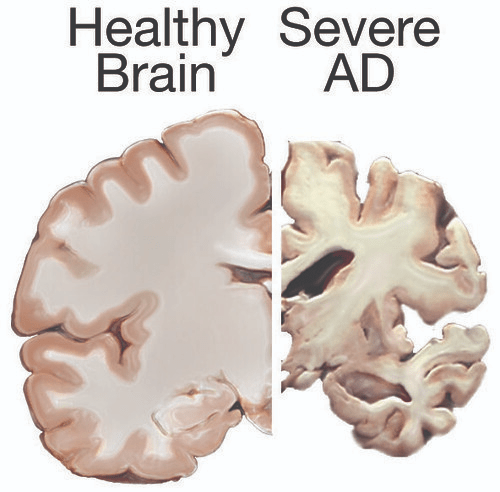
There is a question, though, about what the benefit of such an exercise program might be. I have posted about this in the past, but it bears repeating as we work our way through World Alzheimer’s Month. The only non-medical way in which brain health can be improved is through exercise in conjunction with a proper diet and sufficient rest. The heart pumps and circulates nutrient rich blood to all parts of the body; when we exercise (especially cardio) that process speeds up and brings more nourishment to the cells, including those in the brain. Research shows that regular exercise can help to slow the progression of the disease.

There is another aspect though which should not be overlooked. For some of my clients with dementia, the time that I spend with them is an opportunity to engage socially with someone aside from family or caregivers. I always come prepared for a workout especially designed for the client and his/her capabilities; in that respect, they are no different than my other clients. What is different is the way the session may proceed. I usually need to demonstrate exercises several times–even after we just completed a set; this requires patience on my part, but I have gotten accustomed to this and it has changed the way that I cue all my clients for the better.

Related to this is that I must modulate the conversation that I have with my clients with dementia. Ask any of my clients and they will tell you that I love to chat during our sessions; it helps to engage the client and make the session appear to move more quickly–while still getting the same amount of work done. The kinds of questions I may ask clients with Alzheimer’s Disease and the topics we might discuss are different. In most cases, I cannot ask “how was your weekend?” as they may not remember. I can usually ask about things that happened many years ago (those memories are often preserved), but most of the time I focus on the present moment. I may talk about what is going on in my life or the weather or the local sports teams. I like to focus on the present moment and making the most out of it for my client–from an exercise and social standpoint.

World Alzheimer’s Month is a time to reflect on the way that this disease has affected so many individuals and families. It is a time to advocate for more research (rather than cuts in funding). It is also a month in which we can reach out to those around us with dementia and help to make their present moment just a little bit brighter. I am proud of my role as Personal Trainer in helping to make that a reality.

Social Connection and Wellness

August is National Wellness Month. This month aims to promote overall well-being by encouraging individuals to focus on their physical, mental, emotional, and spiritual health. It provides an opportunity for people to engage in self-care activities, learn about healthy lifestyle choices, connect with others and build support systems, explore wellness resources and programs, and prioritize their well-being in the workplace. 

Over the years, I have blogged regularly about the importance of exercise, proper diet, and getting plenty of rest. This is the triumvirate of creating a healthy lifestyle. I recently read an article in the 2025 IDEA Fitness Journal (Issue 2) that talks about another key aspect of wellness that we may not often consider: social connection.  Social connectedness, defined as the feeling of belonging and having close social bonds, is not merely a pleasant aspect of life but a critical determinant of both physical and mental health. The absence of meaningful social connections, characterized by social isolation and loneliness, can act as a chronic stressor, triggering biological responses that negatively affect the immune system, cardiovascular health, and the body’s ability to manage stress.

What can we do to increase our social connections? The answer does not just apply to joining a gym or a group fitness class. Social connections can be found with family, friends, religious communities, fellow workers and students, just to name a few. Social connections do not just happen; as a matter of fact, the deterioration of social connections if often outside of our control. Moving to a new community, losing a life partner, or getting a new job can lead to isolation. It is a growing problem as adults are living longer and families are spread out over larger geographical areas.

First steps to increasing social connections might include talking to a medical provider, a clergy person, or the local library or government center. Doctors and other medical professionals often have the resources and can make referrals to places where help is available. Houses of worship often have outreach teams or ministries that work to make sure no one feels alone. Finally, libraries and local commissions on aging or community centers have programs on a regular basis that serve to edify individuals but also create an environment for making friends.

Loneliness is not just a feeling. Research shows that it can have negative health and wellness consequences. If you have been looking for motivation to “put yourself out there,” or even if you are reticent to do so, August–National Wellness Month– is the time to take that first step. It is key to your physical and mental health and well-being.

Choosing the Right Trainer for the Long Haul

A friend on Facebook who is close to my age was recently lamenting that she had a doctor who looked like he might have just graduated from high school–let alone medical school! I commented that this was fine with me since I want a doctor who will not retire in the near future; this already happened with my primary care physician a few years ago.

Older adults looking for a personal trainer may have similar concerns in their selection process. What factors should be considered when choosing a trainer who will be with you for the long haul? In some gyms there is a lot of turnover; this is less often the case when it is an independent trainer running his/her own business like I do. What should you look for when making the choice?

John Preston in a recent article for IDEA Fitness Journal researched two related topics: 1. Does education matter for personal trainers? In other words, does having a higher level of education affect the success of a trainer in his/her career? This is related to 2. Does the level of education help with client retention? Is a trainer more likely to hang on to clients for longer if s/he has a higher degree of education?

To cut to the chase, Preston’s research concludes that neither the level of education nor the number of certifications seem to be significantly associated with how much a trainer actually knows (based on a 24 question exam given to participants in the study). Furthermore trainer knowledge does not correlate to greater retention. Two factors were found to influence how long a client stays with a trainer. 1. Facilities with less than 1000 square feet (usually an independent gym) and those with over 30,000 square feet (mega-gyms) had the highest level of retention. In the smallest gyms (or a business like mine where we come to a client’s home) there is more likely to be a personal attachment and loyalty to the gym and the trainer; in a mega-gym, there are usually many other perks such as lots of equipment, many classes, a swimming pool, upgraded locker rooms, etc., that make it worthwhile for members (usually wealthier) to stick around. 2. The longer a trainer has been in the industry, the more likely they are to retain clients; those with10+ years have the highest retention rates. Interestingly, the veteran trainers also have the highest level of knowledge; this may be due to the requirement for continuing education as well as a greater commitment to their career. For comparison, most of the trainers in the study had only been in the industry 3-5 years.

What does this mean for older adults looking for a trainer who will not abandon a client? The more experienced s/he is the likelier they will be around in the long-term. Additionally, your search might best begin in a very small or very large gym.

Why is the long-term relationship important? As with doctors (hair stylists, dentists, etc.), we depend on those who give us services to understand us and be committed to our welfare. We appreciate the relationship. We feel like we are getting value for the money we spend. The longer we work with a trainer, the more likely we are to meet–and exceed–our fitness goals.