
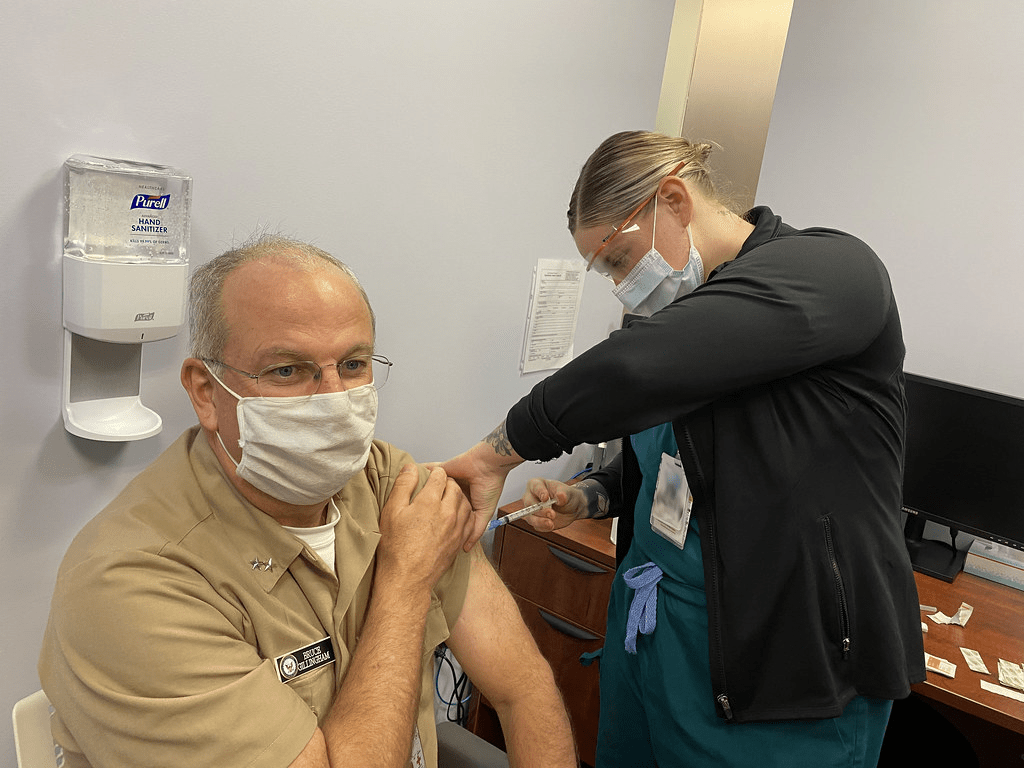
The last week in April of this year has been named World Immunization Week by the World Health Organization (WHO). According to the WHO’s website, “The global vaccine drives of the second half of the 20th century are one of humanity’s greatest achievements. Immunization campaigns have enabled us to eradicate smallpox, nearly defeat polio, and ensure more children survive and thrive than ever before.” Unfortunately, progress on immunizations has slipped in the last few years; according to the WHO, “Growing conflicts, economic downturns, and a rise in vaccine hesitancy are some of the threats to efforts to reach…children. As a result, the world is seeing sudden outbreaks of diphtheria and measles diseases that, until now, we’d had nearly in hand.”
When we think about vaccinations, we usually think about two things: babies and children, and the COVID-19 vaccines. Immunizations are not just for these two reasons. According to the Centers for Disease Control (CDC), there are vaccines that are especially important for older adults. Those aged 50-64 should be up to date on COVID-19, Flu, Shingles, and Tdap (Tetanus, Diptheria, and Whooping Cough). Others that might be recommended by a physician in this age cohort include Hepatitis B, MMR (Mumps, Measles, and Rubella), as well as RSV (Respiratory Syncytial Virus). Those older than 65 should add in the Pneumococcal vaccine. Depending on your lifestyle, there may be other important precautions to take; for example, last year I traveled to South America and the parts of Argentina and Brazil where I visited necessitated Yellow Fever and Malaria immunizations.
Some people worry that vaccines are dangerous. A report from the National Institutes of Health (NIH) last year concluded the following: “Vaccines play a crucial role in reducing mortality rates in the elderly by preventing severe infections and associated complications. Any vaccine-preventable infections, such as pneumonia, meningitis, and certain respiratory and bloodstream infections, are commonly associated with antibiotic use. By vaccinating older adults against these diseases, the incidence of infections can be reduced, thereby potentially decreasing the need for antibiotics and reducing the selection pressure for antibiotic-resistant bacteria. Older adults may be more susceptible to antibiotic-resistant infections due to factors such as weakened immune systems, higher rates of healthcare-associated infections, and more frequent antibiotic use. Despite these positive effects, vaccine resistance is observed specifically in the elderly population. Age-related changes in the immune system, the individual’s immune response, and the individual’s overall health status often limit vaccine efficacy. Certain medical conditions, such as immunodeficiency or chronic diseases, may impair the immune system’s ability to mount a robust response to vaccines. As a result, the level of protection provided by vaccines may be reduced in these individuals. Despite these factors, vaccination remains crucial for older adults as it can still provide significant benefits in terms of reducing the risk of severe illnesses, hospitalizations, and complications.”
In other words, the benefits outweigh the risks–especially as we age–since we are often less able to fight off infections. Even though the immunizations may be less effective due to a number of factors, the benefits are still there.
On a personal level, I did not get the immunization for shingles after I turned 50. My wife got shingles when she was 49. I saw how horrible it was and how much pain she was in. We both wondered how much older folks could possibly bear shingles, especially when you factor in other medical issues. The next day I made my appointment for my first shot. At my annual check-up, I make sure to review my immunizations with my doctor. I would rather be safe than sorry.
Observe World Immunization Week by checking with your health care providers. To paraphrase the musical, Hamilton, don’t waste your shot!

 Kosher Fitness