
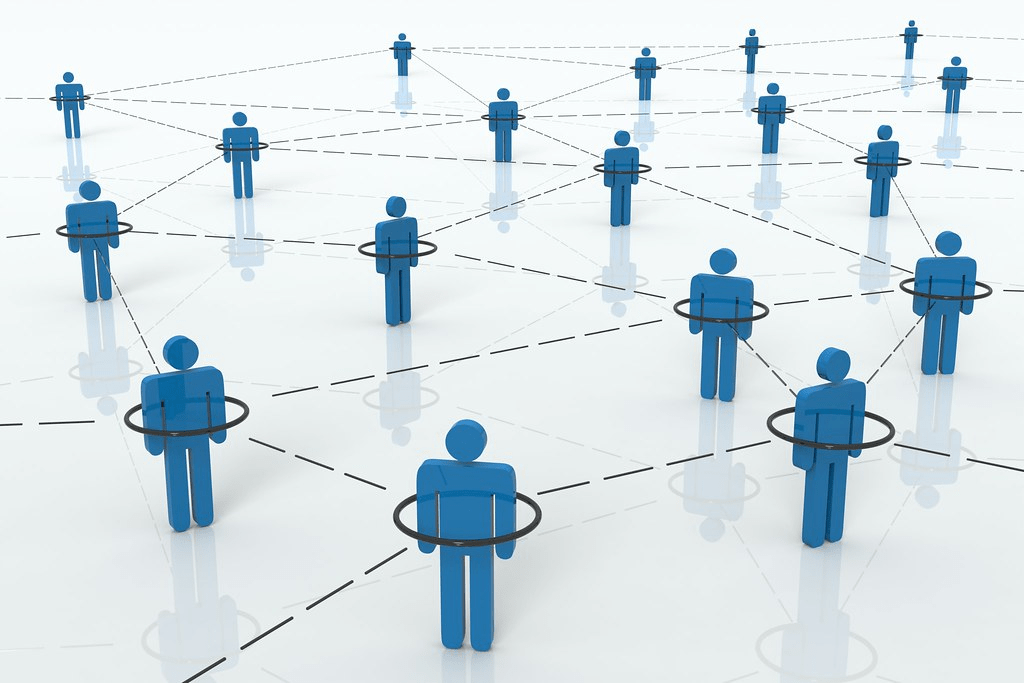
August is National Wellness Month. This month aims to promote overall well-being by encouraging individuals to focus on their physical, mental, emotional, and spiritual health. It provides an opportunity for people to engage in self-care activities, learn about healthy lifestyle choices, connect with others and build support systems, explore wellness resources and programs, and prioritize their well-being in the workplace.
Over the years, I have blogged regularly about the importance of exercise, proper diet, and getting plenty of rest. This is the triumvirate of creating a healthy lifestyle. I recently read an article in the 2025 IDEA Fitness Journal (Issue 2) that talks about another key aspect of wellness that we may not often consider: social connection. Social connectedness, defined as the feeling of belonging and having close social bonds, is not merely a pleasant aspect of life but a critical determinant of both physical and mental health. The absence of meaningful social connections, characterized by social isolation and loneliness, can act as a chronic stressor, triggering biological responses that negatively affect the immune system, cardiovascular health, and the body’s ability to manage stress.
What can we do to increase our social connections? The answer does not just apply to joining a gym or a group fitness class. Social connections can be found with family, friends, religious communities, fellow workers and students, just to name a few. Social connections do not just happen; as a matter of fact, the deterioration of social connections if often outside of our control. Moving to a new community, losing a life partner, or getting a new job can lead to isolation. It is a growing problem as adults are living longer and families are spread out over larger geographical areas.
First steps to increasing social connections might include talking to a medical provider, a clergy person, or the local library or government center. Doctors and other medical professionals often have the resources and can make referrals to places where help is available. Houses of worship often have outreach teams or ministries that work to make sure no one feels alone. Finally, libraries and local commissions on aging or community centers have programs on a regular basis that serve to edify individuals but also create an environment for making friends.
Loneliness is not just a feeling. Research shows that it can have negative health and wellness consequences. If you have been looking for motivation to “put yourself out there,” or even if you are reticent to do so, August–National Wellness Month– is the time to take that first step. It is key to your physical and mental health and well-being.
 Kosher Fitness