
Fitness Through Life

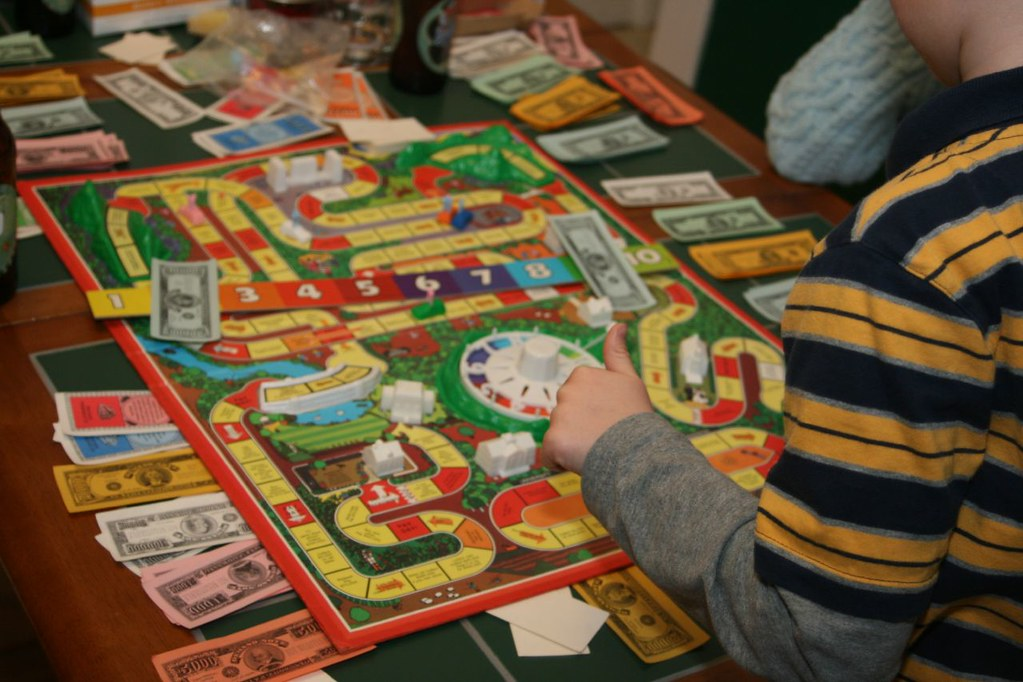
Do you remember the game of “Life?” As a kid I remember playing this; it was not until I was older that I realized just how adult of a game it really was. The basic premise was that each player gets to choose their path in life but unexpected twists and turns happen with each turn. It was marketed as a fun game, but it pretty closely resembles “real life” for many of us.

I have written many times in the past about how the choices we make today can affect our health and fitness tomorrow. I see it all the time with my clients; eating healthier, exercising, getting plenty of rest, and avoiding risky behaviors usually provide a more positive outcome. I use the work “usually” because there are many things in life that are simply out of our control. An accident can leave us with life-long injuries. Diseases can limit our ability to do the things we want. A financial downturn can change our priorities. The death of a dear one can alter our psyche.

Is it possible to continue to make good health and fitness decisions despite the obstacles that life might throw our way? I remember when my mother passed away 18 years ago, a friend gave me these words of advice: “Take good care of yourself, this will be harder than you think.” I have shared these words with grieving individuals ever since. The bumps along the road are a natural part of life and they should not disrupt long-term the decisions we make about our own well-being; in fact, making good choices is one of the things that can help us survive and thrive in the face of challenges.

When life throws us a curve ball, we may not be able to stick with the same plan to which we may have become accustomed. On the contrary, we will most likely have to make adjustments. Personal trainers and other health professionals can play an important role in helping us navigate modifications that need to be made–either temporarily or long-term. We should not view these changes as defeat or giving up; rather we should look at them as a sign of resilience. There are many ways to achieve better health and fitness. What worked in the past may not work today. The main thing is to recognize the changes as a part of life. What happens during our lives is not totally up to us, but how we respond is totally under our control.
Recalculating…

This is the last installment of what I learned at the IDEA / ACSM Health & Fitness Summit in Denver. The last session that I took was about making modifications in exercises to avoid pain for clients and class participants with joint or muscle issues. Since I deal exclusively with older adults, almost all of my clients have at some time or other needed modifications to the exercises we do so I was looking forward to brushing up on my skills and knowledge.

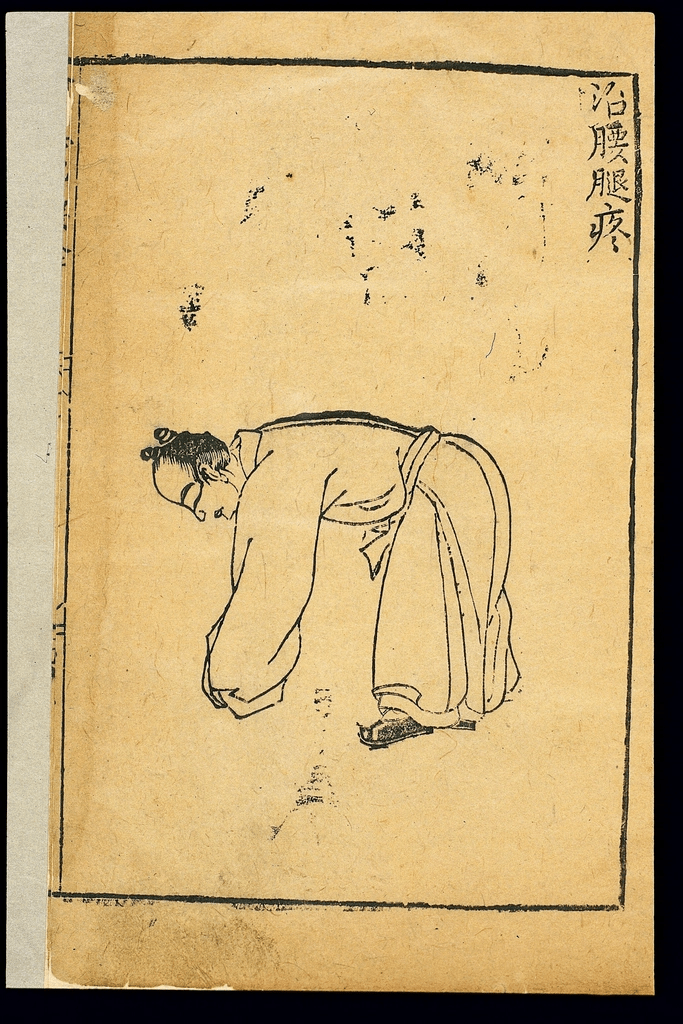
There are lots of exercises. There are also lots of muscles and joints. There is rarely one single exercise that will benefit a certain part of the body. For instance, the triceps can be worked in a number of ways: bench triceps extensions, overhead triceps extensions, cable push-downs, triceps dips, push-ups, triceps kickbacks, etc. If doing one of them causes pain, that does not necessarily mean that it is impossible to train the triceps; on the contrary, there are almost always other forms of the exercise that do not create discomfort. Additionally, there are ways to adjust the amount of weight, the speed of the exercise, or the number of sets to achieve the same goal without pain.

I have to be honest that I out of the four courses I took, this was the one that I found least helpful to me. There was more technical jargon than necessary (presenters do not need to call it the glenohumeral joint; among professionals there is no need to show off–just call it the shoulder) and, frankly, my work over the past 7 years has required me to come up with all kinds of adjustments to the exercises we do one-on-one and in a group setting. One of the things I enjoy the most in my on-line group fitness class is seeing the variations of movement on the screen among the participants based on their abilities; they have learned how to achieve the same goal in a different way. It is a win-win.

Even so, I did pick up a few new “tricks.” I also think it is important for trainers who do not necessarily work with special populations to understand that not everyone comes to a personal trainer to become an elite athlete. Many are looking to maintain strength, agility, balance, and independence; the path for older adults and those with disabilities looks very different from the one followed by a 19-year-old basketball player.

The human body is a wonder. We all have certain assets and liabilities in our physical fitness. It is reassuring to know that in almost any condition there are ways to build better fitness. We just need to be flexible and recalculate how to keep it pain-free.