500 Subscribers!

Every once in a while I check the statistics on my blog to see what posts are most popular, where people are reading, and how many subscribers I have. Today I happened to check and saw that I got my 500th subscriber! This blog was started on February 24, 2019–I was still working at a local gym, and the pandemic would not hit with full fury for another year or so. I did not know if anyone would read it, let alone have subscribers. While 500 is not a million, I am proud of hte accomplishment and the work that I put in to achieve it.

I have learned a lot from the work of maintaining a blog. I always remember that my son told me that a blog is like a living thing; you have to feed it and take care of it in order for it to survive. I strive to create a new post each week on a topic related to older adults and fitness. Often I highlight articles I have seen on news websites, in my trade magazines, and in my continuing education classes. I am grateful to all the fitness, medical, and allied professions experts for their continuing interest and research. Their work makes mine easier–not just blogging, but working with my clients as well. I will endeavor to bring the latest news and research as well as my insights so that older adults can live healthier, more independent lives.

Thanks to all my subscribers. I do this for you!

Hot, New Research on Lowering Blood Pressure with Isometric Exercises

I do not usually get fitness-related articles sent to me by clients, friends, or family members, but a recent article on CNN.com elicited a couple of e-mails as well as questions by some of my clients. Kristen Rogers reported on a large study that was published by the British Journal of Medicine last week.

It is a meta-analysis; that is, it looks at hundreds of studies and synthesizes their results. In the past, cardio exercises were recommended the most for lowering blood pressure, but much of that research was outdated; the authors of this new study wanted to update recommendations based on the newest studies. They found that isometric exercises–ones where muscles contract but do not visibly change in length–are the most effective at lowering blood pressure.

Two exercises that are suggested are planks and wall squats (also known as wall sits). These are exercises that I do with some of my clients if they are able. The article does not make specific mention of whether this advice is directed at older adults, but it seems to indicate it as a general rule that these exercises will have this effect–whether a person has hypertension (high blood pressure) or not. The article indicates that isometrics can be added into a regular program that also includes cardio and HIIT (High Intensity Interal Training); for more info on HIIT read this post or this post.

Overall, adults should aim for 150 minutes of moderate-intensity exercise each week; this should include a mix of cardio and weight/resistance training, as well as isometrics for those who are able. That last part is key. Planks are great but will be a challenge for those who are not able to get down to or up off of the floor; of course, planks can be modified to be done off a counter-top, heavy piece of furnitutre, or a wall. Wall sits present a number of other issues; if not done correctly, they can do damage to the knees, and those who lack sufficient strength may find themselves in the middle of a wall squat unable to stand up or slide up the wall, therefore falling to the floor.

These findings are not a panacea for lowering blood pressure; they are another piece in the puzzle. A healthy diet, sufficient rest, and following doctor’s orders (which may include medication) are key to managing hypertension. It is also worthwhile to talk to an exercise or fitness specialist to find out what kinds of isometric exercises can safely be added to your regimen. All of these approaches are important to prevent other medical complications that can result from unchecked hypertension.

Daily Approaches to Back Pain

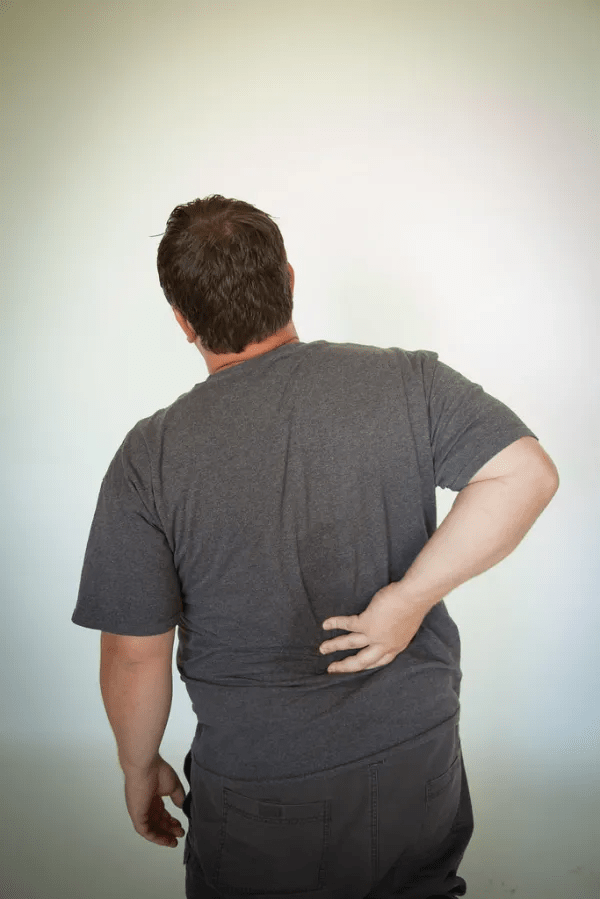
When I was much younger, I remember watching TV commercials for Doan’s Pills; they were supposed to bring relief for back pain. As a kid, I wondered just what that was all about; as I age, I understand just how much of an impact back pain can have on our ability to carry out our daily activities and the quality of our lives.

Dana Santas, a certified strength and conditioning coach and mind-body coach, explains in a recent article that rather than thinking about drastice measures, there are simpler actions we can take every day to ward off back pain.

  1. Move more. We used to think that when we had back pain we should just avoid movement until it gets better. Research shows the opposite is what is called for. Regular exercise is great, but even parking further from your destination and walking a little further, taking the stairs instead of an elevator, or a 5-minute burst of activity can make a positive difference. An increased heart rate helps circulate blood to the muscles to avoid stiffness.
  2. Switch sides. In all my work with clients, there are always imbalances because we are either right-handed or left-handed. Weakness on one side can cause back pain as we favor one side over the other. Santas suggests switching hands when carrying a bag or laptop, opening doors with the other hand, etc. Actions like this can help even out the differences.
  3. Correct imbalances. This is related to #2. When we walk, run, swim, or cycle our movements should be symmetrical. If you suffer from back pain, one of the reasons could be that our movements are not symmetrical. It may be worthwhile to have a health professional evaluate this and provide corrective measures.
  4. Stop slumping. This is a major problem with older adults which can be exacerbated by conditions like osteoporosis and Parkinson’s Disease. Santas explains that it is more than just a question of squeezing one’s shoulders together; pay attention to posture and breathing as well. Sitting or standing up straight and focusing on long, slower breaths can improve back pain.
  5. Stay present. This is the most interesting and perhaps most difficult to achieve. Many of us have stress in our lives that leads to back pain. By taking on some mindfulness practices like meditation or yoga we can reduce stress levels. Focus not on what happened in the past or what might occur in the future; be in the moment. Even taking a few minutes each day to focus on our breathing (see #4) can have an impact.
  6. Be proactive. This is Santas’ best piece of advice. There are certain things that we do on regularly to help maintain our health: brushing teeth, bathing, eating properly, etc. If we experience back pain, we should view it is a health need that should be attended to on a regular (even daily) basis. Find ways to make the first 5 strategies a set part of your routine.

Those who suffer from back pain–or have suffered in the past–know just how difficult it can be. It is helpful to know that there are strategies we can employ to help prevent and alleviate the pain. Be proactive and make it a priority!

Use It or Lose It Update

This past week I was away for the 4th of July holiday; I got back on Wednesday evening and the next day was a fast day on the Jewish calendar so I did not hold my group fitness class. Not only had I missed a number of days of working out (although there was a lot of walking in Boston), my clients had as well. On Friday and this week already, my clients and I are seeing the difference…and it is not pretty.

In 2020 at the beginning of the Pandemic, I had blogged about this because so many people stopped going to the gym and had not yet figured out how to keep active. Back then, I had noted that within a month decreases in stamina and muscle strength were already detectable. More recent research shows that “deterioration” can begin closer to 14 days and even as early as 10. Those who did not work out for two weeks, according to one source, saw a decrease in muscle strength of 4%. This may not seem like a lot, but what if that two weeks drags on to three, or four, or more?

The key takeaway is that it is better to try to exercise even a little bit. Quickie workouts can be effective too. On vacation, a brisk walk or taking the stairs instead of an elevator can make a difference. Many think that after an absence of physical activity, it will not be too difficult to hop right back into it. Ask anyone who took a break due to surgery just how accurate that is–not at all!

Use it or lose it is a cute phrase, but research bears out that there is truth in this little rhyme. The next few weeks with my clients getting back into the swing of things will be challenging. Next time, there will be better planning for how we can all stay active even when I am not available.

Ashes, Ashes, We All Fall Down

It is not uncommon to see little (and not-so-little) children fall down. While they may cry for a little bit, most of the time there are only minor “boo-boos.” As we age, however, falling can become a much more serious matter. About 36 million people over the age of 65 report falling each year with 3 million resulting in trips to the Emergency Room. Falls can result in fractures, sprains, bruises, or worse; the healing process for older adults is longer and more arduous than in our younger years.

An article in June, 2023 issue of AARP Bulletin, “How the Pros Fall Safely,” discusses the best way to avoid injury when we are going down. The article is not on-line yet, but it is worth getting a copy of the print edition. There are different strategies depending on whether it is a sideways, forward, or backward fall.

In a sideways fall, bend the knees, tuck in the chin, and lift the head. Keep arms close to the chest and go limp; collapse onto the outside of your bottom thigh, then roll backwards onto the torso and upper back. This protects the head from injury, keeps hands and wrists from breaking, and results in landing on the most padded part of the body, safeguarding the hip.

In a backward fall, stumble backward (rather than just going straight back) while tucking in the chin into the chest and trying to get the body (especially the rear end) close to the ground. Bend the knees into a deep squat so you land on your rear end. Round the spine and roll onto the back and shoulders. Keep your arms at your sides. As in the sideways fall, fragile bones are protected while landing on a padded area of the body.

In a forward fall, go limp, bend the knees to one side, tuck the chin into the chest, keeping the head tilted away from the ground. Try to land on the outside of the thigh. When you hit the ground, keep the momentum going and role onto the side of your torso and upper back. Try to curl your body as much as possible. Again, bones are more protected this way.

Once you are on the ground, do not get up immediately, but rather assess the situation. It is natural to want to pop right up to avoid embarassment, but if there is a broken bone this can make things worse.

As a personal trainer for older adults, I spend a fair amount of time and energy with clients trying to prevent falls. If one should happen, though, these simple pointers can make a difference: “relax, go limp,” tuck the chin in and keep the head off the ground, land where the most padding is.

Be careful out there!

Gardening as a Workout?

In my previous home, I enjoyed having a vegetable garden–especially when my kids were younger and they could see and join in the process of growing some of our own food. My new home is surrounded by many mature trees and is situated in such a way that there is not a whole lot of direct sunlight necessary for this kind of gardening. Although vegetables may be out of the question, I have gotten into annual and perennial flowers that are hardy enough to flourish in our mostly shady area. Suddenly, I know the names of many kinds of plants and flowers; I enjoy choosing varieties that will bloom at different times or thoughout the warmer months, providing a pop of color.

One of the side benefits of gardening for me is that it is relaxing. I enjoy tending to the plants and watering when necessary. My current fascination is watching my new clematis climbing a trellis and blooming with bold purple flowers. I feel like I am in the Garden of Eden in my backyard–even though I live in a condo development and there are other homes on either side and behind us. Still, it is a kind of a haven for me.

A recent article from CNN, discusses a new trend: gardening as workout. Some personal trainers are even recommending gardening for their clients. I have several clients who garden (one in her 90s!) and it does provide a measure of physical activity. Here is a short list of tasks which demand some exertion: carrying watering cans, digging in the soil, trimming or pruning trees and bushes, lifting bags of potting soil, raking debris, and mowing the lawn–even if it is a power mower. The article goes into some detail about the benefits as well as warning about where to be cautious. Gardeners should warm up before starting work (just as you would for any other exercise), and newbies should start out slow and then move to more grandiose gardens. What concerns me most with my clients is that they use proper posture and form, like lifting from the legs and evenly distributing weight when carrying objects.

The article seems to suggest that gardening could replace “going to the gym,” but I think this is a little far-fetched. In some climates where vegetables and plants grow all year that might work, but in the northern climes this activity may only last 5-6 months. There needs to be a plan for the rest of the year.

My two take-aways are that gardening is a great way to engage in physical activity, and that the benefits go beyond just the physical. So if you will excuse me, I must go check on my begonias….

Embracing Aging

A recent article in The Cleveland Jewish News by columnist Regina Brett was so good that I felt I had to share it. I do not usually post an article and ask you to read it, but here we are!

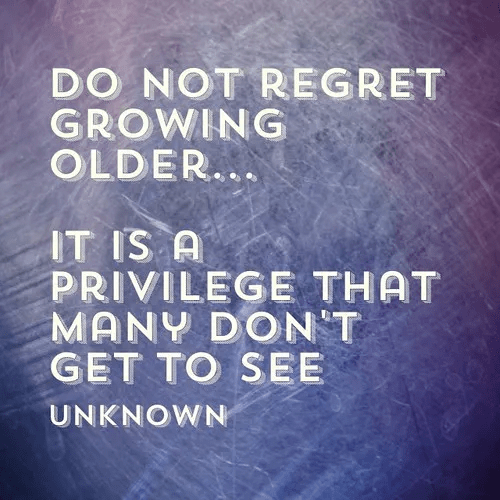
The above quote kind of sums it up. The only thing that I would add is that accepting aging does not mean that we should not do our best to keep ourselves healthy and in shape. In fact, the opposite is true; taking control of our futures in our senior years a key element of embracing the aging process. I know it is a part of my plan and those of my clients as well.

Turning 60

A friend of mine who is VERY close in age to me recently turned 60. He posted an article from WebMD.com about what we can expect during the upcoming decade. What follows is the (mostly) depressing list:

  1. Most people in this decade report that they are actually happy! There is a bell curve and most sexagenarians are still near the top.
  2. Cancer diagnoses rise in this age category; make sure to get your scans!
  3. 40% of Americans in their 60s have some kind of hearing loss, and yet only 20% of people who could benefit from hearing aids actually wear them.
  4. Weight slowly increases. I have blogged about this before; our metabolism does not slow, but rather our eating habits get worse and we exercise and move less as we age.
  5. Skin changes. It thins out and gets visible lines; make sure to wear that sunscreen and moisturize!
  6. Heart disease; the mid-60s are prime time for heart failure, strokes, and heart attack. Maintain a healthy diet, stay smoke-free, and exercise to prevent these issues.
  7. Cognitive decline. Our ability to learn new things becomes more challenging, but long-term memories, knowledge, and wisdom generally stay with us. Keep active and play brain games.
  8. Vision issues. By age 65 about 1/3 of us have some kind of eye disease. Make sure to have regular check-ups since pain is not usually associated with eye problems.
  9. Bones and Joints do not work as they used to. Keeping active and doing resistance exercises can help bone strength. Talk to your PCP about supplements that might also help.
  10. Sleep quality decreases. Our bodies produce less melatonin naturally which regulates our sleep. Supplements can help, and physicians can also prescribe safe sleep aids that allow our bodies to rest and regenerate.
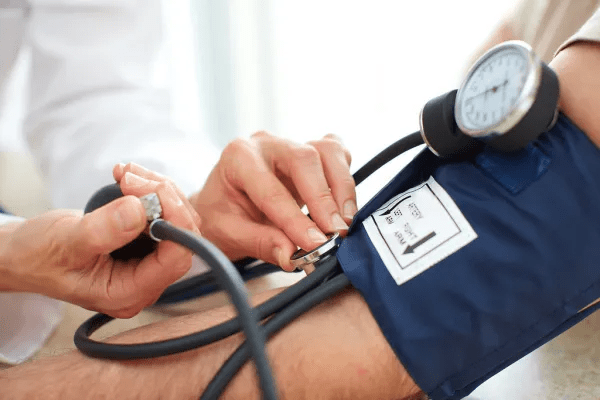
  11. Blood pressure can become and issue. Years of fat build-up in our blood vessels can raise blood pressure; the vessels can also harden. Monitor this regularly as hypertension can lead to other issues.
  12. Incontinence can become a nuisance. The bladder is not as elastic as it once was; this can lead to more frequent urination and the need to use the bathroom in the middle of the night (see #10). There are strategies to help this and a doctor is your best resource.
  13. Immunity decreases as the body’s production of germ-destroying T-Cells comes to an end. This makes it all the more important to get immunized; pneumonia and shingles can become new concerns for those in their 60s.
  14. Our oral health can be challenged. About 30% of those over 65 have dry mouth. The risk of oral cancer also increases 4-fold from when we are in our 40s. Make sure to have regular visits with your dentist.

This all seems pretty overwhelming, but the news is not all bad. Everything on the list can be controlled or prevented with good diet, exercise, rest, and regular health and dental check-ups. Our “golden years,” do not need to be a slow (or fast) descent into decrepitude. This is precisely why I do the work that I do. I help my clients–and myself–lived the best lives possible from a fitness perspective.

Wishing all my fellow sexagenarians good health and fitness!

What’s Your Goal?

This is one of the first questions that I ask new clients in our intake meetings. It is interesting to note that some people have a pretty clear idea of why they want to begin an exercise program. Some are preparing for an upcoming trip and want to be able to participate fully in all the planned activities; others sense that their mobility has decreased (it is harder to walk or go up stairs) and they want to do something about it; grandparents wanting to keep up with their grandchildren is also a big reason. At the same time, there are those who have given little thought to the question. They may have received personal training sessions as a gift, been “forced” into it by their children, or read that it might be a good thing to do.

I do not just ask this question at our intake meeting, but also at regular intervals. As clients progress, it is important to understand that their needs and goals may shift. When I first began working with a personal trainer in my late 30s, I did it because I wanted to look better. Later on, I was more motivated to be able to achieve challenges I had set for myself like finishing a 5K or a half-marathon. As I am about to turn 60, my goal is to continue to do the things that I enjoy most without worrying that I will not be physically capable of handling it. I expect that in five or ten years my goals will shift again.

Having goals is important. Without a “destination,” there is no way to chart a path. To extend the metaphor, sometimes just getting on the road and driving without a plan is enjoyable–but it is not the best strategy if you have to get to Omaha by Friday! The same is true with fitness and, more generally, with our lives. Goals help keep us motivated. They can keep us on track. They can also be unhealthy if they are unrealistic; we need to be willing to adjust as warranted.

I love to travel. My wife and I, along with my twin sister and her husband, just completed a two-week vacation in South America. It included horseback riding in the Andes of Argentina, walking and climbing stairs along the Iguassu Falls in Brazil, and hiking in the Galapagos Islands. What an amazing adventure, and what a great feeling to feel up to it (even in Quito where the air is thin). It was reasurring as well to learn that I was not the oldest one in some of our group activities. I was inspired to see that taking care of one’s health and fitness can help to ensure that we are able to do what we love better and longer.

We usually think of New Year’s as a time for goal-setting. The truth is that we can do it any time of the year. Why wait? Set some goals, get a plan, and then put it into action!

Free Weights or Machines?

A lot has been written over the years about which is better overall: using free weights (dumbbells, barbells, kettle-bells, etc.) or weight machines? As we age, there are special considerations that can help us best answer the question. A recent article in IDEA Fitness Journal gives a good summary of the issues as well as recommendations.

Free weights have some advantages. If you do not belong to a gym, it is much easier and cost-effective to have dumbbells at home; this is the case with most of my clients. In general, exercises with free weights more closely resemble the kinds of activities we do on a regular basis like picking up bags of groceries, putting boxes on a shelf, or carrying suitcases. Because the machine does not do all the thinking for you, free weights require better form and more coordination. On the one hand that is a good thing because it replicates real life situations, but it can also result in injuries due to poor form or too much weight.

Weight machines also have advantages. Most have instructions right on the side telling you exactly how to do the exercise and what body parts will be affected. As long as you follow the instructions, it is difficult to get hurt on a machine. If you belong to a gym, there will be lots of machines and many opportunities to add more weight to the exercise to increase the degree of difficulty; with free weights, you have to go buy more equipment.

From a fitness standpoint, recent research indicates that both kinds of exercises are effective in different ways. For those looking to increase muscular strength, machines seem to be a bit more beneficial. For those looking to improve functional performance, free weights are better. The truth is that most older adults are looking to do both! As in many things in life, a combination of both is recommended for those who have access to free weights and machines and know how to use both safely. The guidance of a fitness professional can help to ensure that this requirement is met.

Most imporantly, make sure that resistance training is a part of your fitness regimen. Cardio is amazing, but we can raise our fitness and functional levels most when we include weights as part of the program.