
April is Parkinson’s Awareness month. This disease affects nearly 12 million Americans, and April is the month set aside to learn about Parkinson’s Disease (PD), its treatments, and the people who are affected by it.
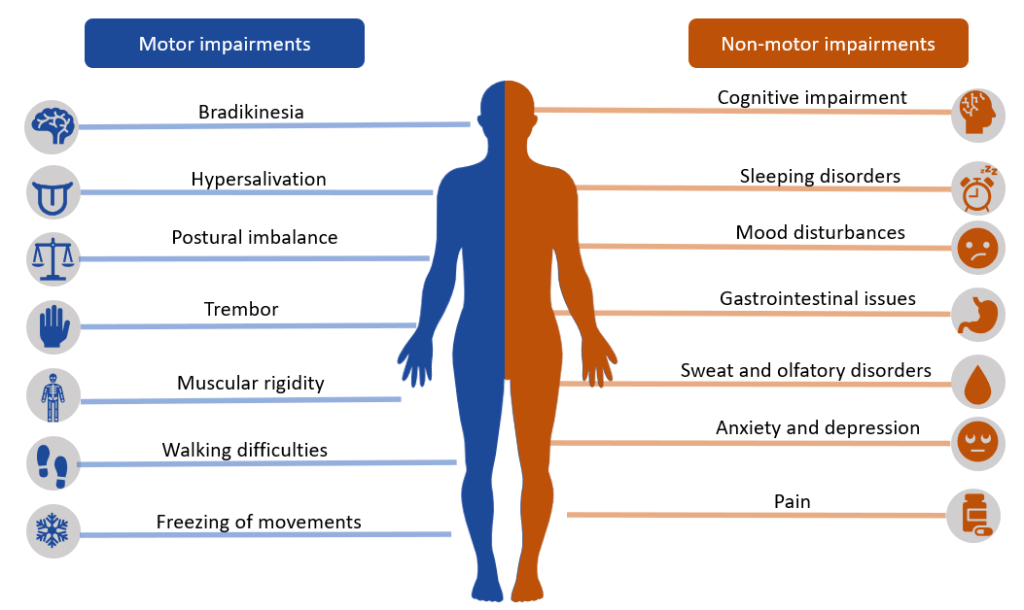
I have blogged about this in the past–especially after I attended a personal trainer’s conference in Denver in March, 2025, where I attended a session about PD and exercise. In the interim, I have done more research and am still hoping to be able to get special certification to better serve clients with PD.
While there are medicines and even medical procedures for delaying the progression of the disease, exercise still remains a powerful strategy for helping those living with PD. Exercise works best when it is part of a consistent program that involves aerobic exercise, strength training, balance and agility, as well as flexibility. Recommended activities for aerobic/cardio exercise include brisk walking, cycling (either outdoors or on a stationary bike), swimming, water aerobics, and dancing. Strength training can use various modalities such as resistance bands, light free weights, and weight machines. Tai chi, yoga, boxing (non-contact), and dancing can help with balance and agility while preventing falls which are a big risk for those with PD. Finally, activities like stretching, yoga, and Pilates can all help with flexibility. In line with generally accepted guidelines for healthy individuals, those with PD should aim for 150 minutes of moderate-to-vigorous exercise each week.
Many communities have agencies that provide structured exercise activities for those with PD. Other gyms may also provide some programming. In either case, it is essential that trainers have the necessary training and certification to work with those who have PD. In some instances, those with less severe symptoms can function well in classes aimed at the regular population.
If you or a loved one is living with Parkinson’s Disease, talk to your physician before beginning any new programs of exercise. A good neurologist or movement disorder specialist can recommend the best course of action. Exercise is a powerful tool for a better quality of life with PD. This month in particular, be aware of what you can do to help yourself and your loved ones.


I was diagnosed with Parkinson disease in 2018, I had tremors and severe muscle weakness, I also had stiffness and balance issues. In 2022, I was introduced to PD-5 Ayurveda treatment program from Limitless Natural Wellness (Go to Limitlessnaturalwellness .com). I read some studies and immediately started on the PD-5 protocol; I noticed changes within months. I noticed the tremors stopped and my mobility improved; the body weakness and balance/gait issues also improved significantly. After completing the treatment, I am happy to report that my Parkinson disease is well under control. I feel very good and energetic these days!
LikeLike
Wonderful that you are doing so well. I will have to check this out!
LikeLike
Exercising outdoors is a great way!
LikeLike