Dental Health & Physical Fitness

Earlier today I went to the dentist for the final step of having a crown replaced–unfortunately, not the kind worn by royalty! As the dentist was making sure the crown fit perfectly, I wondered just how much dental health impacts physical fitness and vice-versa.

When I was studying for my personal training certification, I remember briefly learning about overall physical health (including oral) as part of the big picture. We were taught that having good oral hygiene was not only beneficial for teeth and gums, but also for overall wellness.

Some of the key connections are:

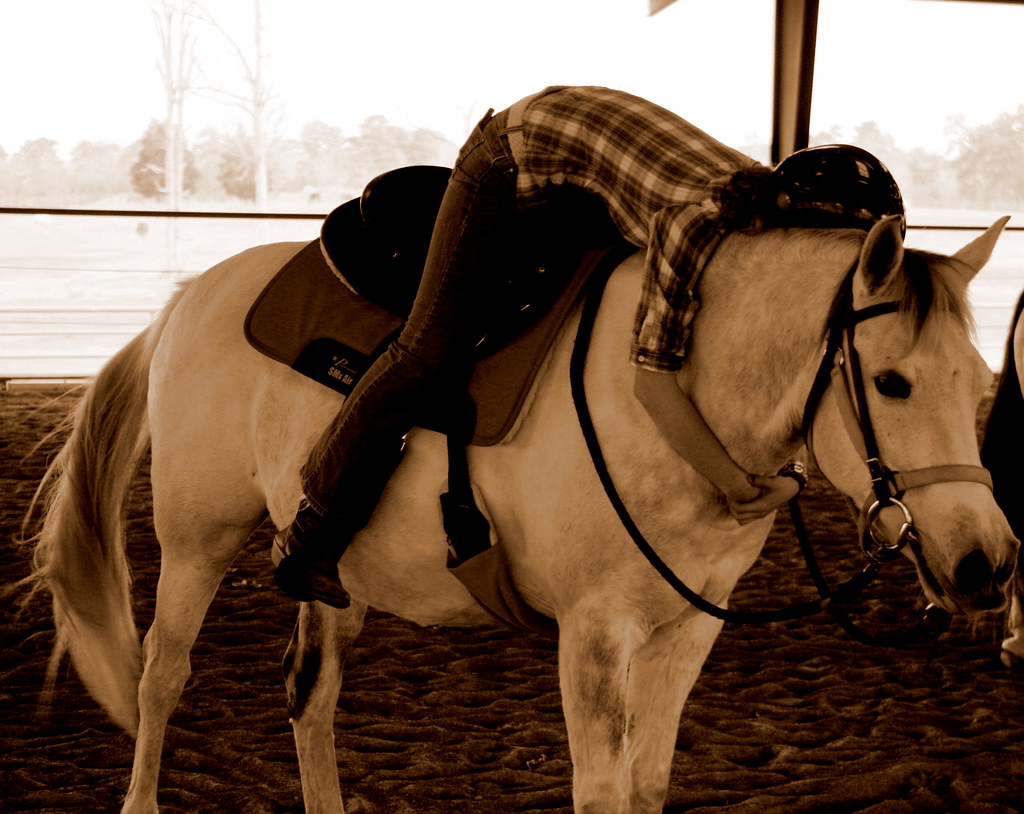
  1. Brushing and flossing regularly prevent cavities, gum disease, and bad breath. Having a “fresh” mouth (not the kind that gets you in trouble) is important during exercise. Besides, who wants to work out with someone whose breath could knock over a horse?
  2. Having healthy teeth and gums are necessary for eating the proper foods to promote fitness. Certain foods can help with this (leafy greens, fruits, dairy), while others are harmful (sugary snacks and drinks). If your teeth and gums are unhealthy, the proper diet will suffer.
  3. When we exercise it is important to keep well-hydrated. Drinking plenty of fluids can help wash away food particles reducing the odds of developing plaque and gum disease. It also can help produce healthy saliva to protect tooth enamel.
  4. Chewing (and jaw exercises) help maintain stronger bite and jaw muscles. When we exercise we often think of the building of muscles like biceps, calves, pectorals, and abs, but what would happen if the muscles we use in the eating process got so weak that we could not eat on our own?
  5. Avoid bad habits like consuming too many sugary drinks, excessive alcohol, and smoking. They increase the risk of damage to teeth and gums…and can cause bad breath! They are counterproductive to our fitness as well.
  6. Just like our physical fitness routines work best when done on a regular basis, have a regular habit of visiting the dentist for check-ups and cleanings. Dentists can spot little problems before they become serious; they now even check for different forms of oral cancers.

Other benefits of exercise are a stronger immune system which can fight infections (including those of the mouth) and other oral health issues. Working out can reduce stress, which can in turn lead to reduced teeth-grinding and jaw-clenching; these take a real toll on dental health.

Make it a regular habit–just like exercising–and you will find that improved oral health will lead to improved overall health and fitness. On the flipside, exercising regularly can help ensure that our teeth and gums will be there for as long as we need them.

“Getting Back on the Horse”

Today was my first day without any physical restrictions after having a surgical procedure four weeks ago; luckily, I am fully recovered and the procedure was successful. This was not the case six weeks ago; I had actually undergone the same procedure in mid-November and was not given the clearest guidelines for what recovery should look like. As a result, the procedure was not successful and I had a second go-around at the end of December. The second time, before surgery I was told to plan on 7-10 days without strenuous activity, but at the 7-day mark the nurse practitioner told me since I was a “repeat offender,” I should count on four weeks instead! Not fun for a personal trainer and someone who likes to stay active. I did not, however, want to undergo the procedure a third time so I took an entire week off of work after surgery and did not exercise for three weeks afterwards–although walking was encouraged.

I did blog about my recovery from foot surgery a few years ago. In that post, I shared five important pieces of advice for “getting back on the horse.” 1. Listen to your doctor, but also listen to your body. (I knew within a few days that the procedure in November had not worked even when I was told to give it some more time.) 2. Go slow; after an absence from the gym, do not just jump in where you left off but ease back into it carefully. 3. Set goals and have a plan for how to get there; having this written out clearly will facilitate a safe return to exercise. 4. Do not get impatient or give up; everyone’s recovery time is different and it may take longer than expected or desired. 5. Do some research; the more you know about the recovery before the procedure, the more realistic you will be going into it.

This afternoon when I taught my on-line fitness class, I participated in the workout instead of just sitting in a chair and giving instructions. I planned a workout I knew I could handle and…so far, so good. Many people do ask, though, how much “damage” or regression occurs when we do not exercise…and how soon does it happen?

Cardiovascular capacity can be decreased within just a couple of weeks–even more quickly for those who are endurance athletes like long-distance runners or cyclists. Muscle strength that is recruited during resistance training begins to suffer after about 3-4 weeks. These are just estimates and the actual amount of time will vary due to the level of fitness before the break, how active a person remained during the break (bed-bound vs. walking), and the cause of the recess. Obviously, a person who has joint replacement may take much longer to recover fully as opposed to a person who has an appendectomy. Each person is different so, as noted above, listen to your body.

I am grateful to my doctor and the nurses for getting me hale and hearty. I am thankful that they were extra-demanding of me the second time around. It made the difference in a complete recovery–even if I was starting to get restless.

After a fitness break–due to health reasons, travel, etc.–it will take time to get back on that horse…but get back on that horse we must. The more we take care of ourselves, the less likely we will need to take those medical breaks in the first place.

Recovery Time

Sometimes less is more, and sometimes more is more. When it comes to fitness, both can be true.

When it comes to our workouts, more time spent on cardio exercises has a greater effect on the number of calories burnt, endurance, and circulatory and respiratory capacity. With regard to resistance training, the heavier the weight, the greater the number of reps and sets, the more likely muscle will be built. The more you do the, the more you accomplish. The Jewish sage Ben He-He said “the gain is in proportion to the effort,” and he had it right over two thousand years ago.

At the same time, there is such a thing as overtraining. Some people take “the more, the better” to mean that they should be working out seven-days-a-week, 365-days-a-year. Overtraining can cause all kinds of injuries that can set progress back. That is why recovery time is so important.

There are a number of factors to take into account when considering how long we should recover after a workout (or even after a specific exercise). When working with some of my clients I may alternate between a group of core, lower-body, and upper-body exercises to give the muscles an opportunity to recover before moving on to a second or third set; in other cases, when we are working the same set of muscles, we take a short break between sets. These all take place within one workout.

Between workouts, however, we must think about:

  1. The intensity of the exercise. The more strenuous it is, the longer recovery will take. This could be anywhere from 24-48 (or even longer) between working specific muscle groups; less time may be necessary if the exercise is more moderate.
  2. The type of exercise. For example, weight training usually requires more recovery time than cardio. Several sets of bench presses on Monday may necessitate waiting until Wednesday to do upper body resistance exercises, whereas a bike ride on Monday might easily be followed by a run or a hip-hop class on Tuesday.
  3. Your fitness level. If you are just beginning, it is all the more important to allow for recovery; going from 0 to 60 in 5.4 seconds might be great for your car, but the effect on our bodies is dangerous. It is important to slowly build up weight, number of reps and sets, while including recovery time. On the other hand, those who are more fit may find that recovery times are faster.
  4. Age. As we age, it takes longer to recover. This is not always the case, but in general it becomes more important to take rest between exercising muscle groups, as well as to have days with no exercise or light exercise.
  5. How well you sleep. A good night’s sleep is key to a good workout. Some of us sleep better than others, but if you have had a particularly rough night or simply did not get in the requisite number of hours, a recovery day is a good idea, or at least aim for a less intense workout.
  6. Stress. This seems like an odd thing to consider, but it can have several effects. Some of us, when we are stressed, have a tendency to work harder or at a faster pace because we are “wound up;” this can lead to overtraining, lack of attention to form, and even injury. Stress also saps our energy; we may think we have the power to do an exercise only to find that our strength is flagging.

We may worry that taking time off or resting is “cheating,” but it is an integral part of the process of staying healthy and boosting our levels of fitness. Recovery time allows muscles to build/rebuild and gives our metabolism a chance to adjust to activity. It is also key to preventing injuries due to overtraining. Regular allowances for recovery help ensure that we do not have to take an even longer time for recovery because we have “overdone it.” Anyone who has ever had a surgery due to an exercise injury knows just how far it can set us back.

Remember: Work hard. Rest hard.

Trying New Adventures

7350787431356042944-1

I have to admit that as I get older, I sometimes get skittish about trying new adventures. When some friends from Columbus suggested we “meet in the middle” to go snow tubing in Mansfield, OH, I was not so sure about it. My wife, on the other hand, was totally into it…and I did not want to be a party pooper. The weather forecast for the day was very cold (low- to mid-20s) and I was secretly hoping we might cancel and go for something a little more tame. Nobody backed out, so we met for lunch before heading to the tubing site. We laughed at the table as we all admitted that we were a little scared about this new experience; I was sure we would need an EMS to carry us out of the place!

As we approached our first run (pictured here-that’s me in the orange hat), I was more than a bit concerned. The moment we started going, though, it all turned in to laughing and whooping. The snow on the chutes was well-packed and icy, and we flew! We could not wait to do it again and again. We even forgot about the cold. What a great day with good friends.

I bring this up because I think many older adults are afraid to try new experiences. There is fear of the unknown, fear of injury, and fear of not enjoying it. These are all legitimate, but there is a price to be paid for not attempting new things: it can be harmful to our emotional health. Research shows, as well, that novel experiences are good for our brain health.

I am not suggesting that everyone has to go snow tubing on a cold winter day, but rather that even with our decades of experience, there is a lot out there that can be new and exciting to us. There are adventures that are more tame like going to a new museum, a state or national park, or volunteering for a cause you care about. More challenging might be going camping, taking a canoe trip, or traveling overseas. Then there are more serious adventures like snorkeling/scuba diving, going on an ATV ride, jumping out of a plane (with a parachute!), or even running for office. Each one of them has the potential to stimulate our senses, our minds, our imagination, and our sense of self-confidence. Doing them with friends or family members can create special memories and opportunities for social interaction and growth.

I don’t know if I’ll ever go sky-diving, but this year does hold plans for some domestic and overseas travel. I will be going to a conference to pick up continuing education credits to keep my Personal Trainer credentials current, and look forward to learning a lot. I may also consider taking on a new language!

Keep your life exciting–and remember your limitations so that you can keep yourself healthy and safe. Remember, it is not the years in your life that matter, but the life in your years!

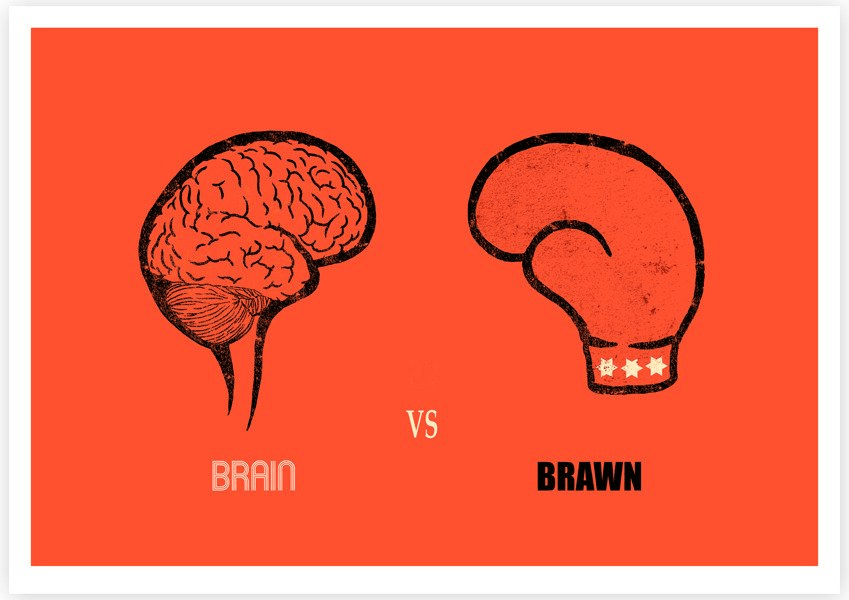
Brain and Brawn

The question of which is more important in getting through life–brains or brawn–has been around for a long time. What brings the greatest success–physical strength or intellect? The truth is that at different times one or the other may be more critical to overcome an obstacle. The ability to pivot between them is key. A recent study shows that there is an important connection between them for older adults.

An article that came out in early December, 2024, in Medical News Today describes the results a study at Johns Hopkins Medical Institution that will be formally presented in the near future connecting sarcopenia and dementia. Sarcopenia is a condition in which a person loses strength and/or muscle mass; this generally occurs as a result of inactivity and is seen a great deal in older adults.

Researchers looked at the temporalis muscle in a statistically significant group of older adults; this is the muscle that is responsible for closing the jaw. A small temporalis is associated with smaller overall muscle mass in the body, and a larger temporalis points to larger overall muscle mass; this makes it an easy indicator to assess whether a person has sarcopenia or not. The temporalis of each study participant was evaluated and it was found that those with smaller ones (ie., with lower muscle mass) were much more likely to develop dementia at the end of the study (around six years later).

This news is significant because it points to another way that dementia can be identified early, and even how the odds of it developing can be reduced. The greater the muscle mass, the lower the risk. How can muscle mass be increased? Two main factors are at play. First is exercise; resistance exercises (using weights) help to increase muscle mass. There is a misconception that older adults necessarily lose muscle mass, but it can be prevented or slowed with continued exercise. The second is consuming enough protein; protein is what helps to maintain and build muscle. Protein can be found in meat, poultry, fish, and eggs, but there are many plant-based options such as beans, nuts, and lentils.

People ask me why individuals use a personal trainer in their senior years. The motivation, in general, is different than younger folks; it is less about appearance or sports performance and more about maintaining general health and independence. We have known for a while that cardio exercise (the kind that gets your heart pumping like running, cycling, dancing, etc.) is good for the brain; it gets the blood to circulate so that it brings rich nutrients to all the cells–including brain cells. Add to this now that resistance exercise is another brain healthy activity!

This study is just one more reason for us to ensure that we are getting both cardio and resistance exercise. It is not just good for our muscles, but for our brains too!

Baby, It’s Cold Outside

Here in Northeast Ohio, winter has definitely arrived (albeit several weeks before the winter solstice). Temperatures have been in the 20s (Fahrenheit) and the snow has been falling. I happen to love snow, but am not a fan of the cold. Others could do without both, and for still others “it’s the most wonderful time of the year!”

What effect, though, does the cold weather have on our bodies–especially for older adults? It turns out that seniors are more affected by the lower temperatures than most of the rest of the populations. As we age, our bodies are less efficient at regulating their own temperatures and retaining heat. Our blood vessels are not as elastic as they once were and warming blood may not make it out to extremities as well as they once did. The layer of fat under our skin typically thins out as we age leaving us less “insulation.” Additionally, there are some medical conditions and medicines that can interfere with the regulation of our body temperature. All of this leaves older adults more vulnerable to the cold.

The National Institute on Aging (part of the National Institutes of Health) has a number of recommendations to prevent serious conditions that can occur as a result of exposure to the cold such as frostbite and hypothermia. As for being outside, “check the weather forecast for windy and cold days. A heavy wind can quickly lower your body temperature — try to stay inside or in a warm place. If you must go out on windy, cold, or damp days, don’t stay outside for long. Let others know when you’re planning to spend time outdoors and carry a fully charged mobile phone. Keep warm blankets and extra cold-weather clothing in your car. Wear a hat, scarf, and gloves or mittens to prevent loss of body heat through your head and hands. Also consider using disposable or rechargeable hand- and foot-warming products. Wear warm and loose layers of clothing. The air between the layers helps to keep you warm. Wear a waterproof coat or jacket if it’s snowy or rainy. Change out of damp or wet clothes as soon as you can.”

Believe it or not, exposure to cold can also be an issue inside. The NIA recommends the following: “Set your heat to at least 68°F. Even mildly cool homes with temperatures from 60 to 65°F can lead to hypothermia in older adults. Place a rolled towel in front of doors to keep out drafts. Keep your blinds and curtains closed, and if you have gaps around the windows, try using weather stripping or caulk to keep the cold air out. Dress warmly on cold days, even if you are staying inside. Wear socks and slippers and make use of throw blankets. When you go to sleep, use extra covers. Wear long underwear under your pajamas and consider wearing a head covering. Make sure you eat enough food to maintain your weight — some body fat is necessary for staying warm. Avoid or limit alcohol intake. Alcoholic drinks can make you lose body heat. Ask someone to check on you during cold weather. If a power outage leaves you without heat, try to stay with a relative or friend.”

Winter in northern climes presents unique challenges to older adults. With the proper precautions–outside and inside–we can enjoy (or at least survive) what the season has to offer.

Stay dry. Stay warm. Stay safe!

There’s the Rub

For many years, I have taken advantage of the opportunity to pamper myself with massages. I began during the days when I was a serious runner and was living with daily aches and pains. I found the right massage therapist who was able to work out the knots, stretch what was tight, and also provide a level of relaxation. I really view massage not so much as a pampering, but as a form of self-care.

As we get older, however, is massage still a good idea? The answer is “yes,” but there are certain factors to take into account to make sure it does not become a “no.”

The advantages of massage are many. As I found out, it can provide pain relief–even for chronic conditions such as arthritis, injuries, and overtraining. Many of us have more irregular sleep patterns as we get older, and massage can help improve the quality of our sleep. Older adults have many things to worry about and massage can be an ideal way to relieve stress and anxiety; human touch has a healing effect. It has been shown that it can even reduce blood pressure. One of the things that I focus on with my clients as well as my fitness class is stretching; massage can integrate stretching which leads to a better range of motion in the joints, tendons, and ligaments. Not surprisingly, massage improves blood circulation; this is especially important for those with diabetes, but is helpful for all of us. Finally, it can be an effective part of recovery treatment for stroke by increasing blood flow to areas that have been impacted.

What are the factors to take into account? Everyone reacts to massage differently. Some of us have a higher tolerance for pain than others. Some of us have more sensitive skin. If you have concerns, definitely discuss it with a doctor first.

A massage therapist should check in with you about whatever disabilities, chronic conditions, or pain you are experience before beginning. If s/he jumps in without checking those things, that is a red flag. Additionally, many of us may need a more gentle touch; as we age our skin gets thinner, and we do not want a level of pressure that is so strong that skin is abraded or even torn. Pressure should also be modulated to account for osteoporosis or other conditions. Often a massage therapy establishment will have someone on staff who is specially trained to work with older adults; find out who it is and see if that person might be the best fit for you.

Massage has been around for centuries. The advantages are indisputable. As we age, though, it is in our best interest to be more careful so as to avoid making things worse. Find a therapist who is patient, tolerant, and kind, and enjoy the benefits of a great massage!

What We Can Control

The Serenity Prayer is one that many of us have heard over the years. While for some it seems like nothing more than a greeting card sentiment, there is deep truth in its words.

We live in a world with no shortage of challenges. The adversity that we face is not just on a global scale, but can apply to our nation, our communities, and even our families.

There are huge things like hurricanes that we cannot change, so according to the prayer we must accept them; scientific research, however, shows that our climate is changing and weather is becoming more unpredictable and severe. Scientist point to many things that we can do–personally and on a grander scale–to alleviate the situation. This is where we run into the “wisdom to know the difference.” Sometimes we assume that we must accept things as they are (“it is what it is”), when change is possible; other times we judge that situations can be changed when they cannot. It does require wisdom.

Rabbi Harold Kushner’s famous book, When Bad Things Happen to Good People, addresses this very issue. His son was stricken with a terrible disease that took his life at a young age; this prompted Kushner to write the book. He notably did not call the book Why Bad Things… but rather When Bad Things…. He claims that we cannot understand why the world operates as it does–why the wicked often prosper, while the righteous suffer. All we can do is choose how to react when bad things happen. We must, he argues, be there to support each other.

This applies not just in a spiritual sense. As a personal trainer for older adults, I see clients with a variety of circumstances from dementia to Parkinson’s Disease to arthritis. None of them chose to have these ailments; none of them was deserving of their diagnoses. At the same time, none of them has given up on trying to maintain as much independence as possible. They have made a choice about how to respond to their circumstances. They may not be able to run a marathon any longer, but they can strive to be as fit as possible to enjoy life to its fullest.

The Serenity Prayer is not just sentimental tripe. It is actually a guide for us–not just in spiritual matters, but in our physical well-being as well. We all must decide what we can control and what is out of our hands. As for those things we cannot control, it is still up to us to choose how to react.

Doing Senior Expos

This past Thursday, I was an exhibitor at the Beachwood (OH) Senior Expo. The location was great–literally kitty-corner to where I live. It was the second Senior Expo I have participated in during 2024.

The expos generally have a room or two with vendors aimed at older adults. These include insurance companies, health care providers, senior living facilities, end-of-life organizations, home healthcare, and wellness companies. I was the only vendor providing fitness services at this expo.

I found a couple of interesting trends at this expo (some of which were shared with the one earlier in the year). First (it was on Halloween day) and that meant that most of the vendors had bowls of candy out; for some of the attendees, this was the big draw. I do have to question whether all that sugar is such a good idea for older adults; I did see one table handing out “healthier” treats and another with apples. I served nothing but I did have free pens! Second, more than half of the people with whom I spoke are actually involved in a regular exercise; Silver Sneakers and local community centers with fitness facilities are making a difference. This is a positive trend and it is good to see our government making it easier for residents to exercise. Third, I try not to be judgmental, but many of the folks who told me that they do not exercise at all seemed to be the ones who needed it the most; there was a lot of bad posture and weight management issues. There are also many people who exercise every now and again but do not have a consistent program. Fourth, there are a lot of really excellent, caring folks out there who are devoting their lives to help older adults; the networking group that sponsored the Expo has some fine folks who do the work they do not just for the salary, but because it is very meaningful to them.

In the end, I only got a couple of leads, but it never hurts to be out there getting the message to people who need to hear it. There will be more Expos in the future. There were about 200 attendees on Thursday; hopefully, we can reach even more seniors in the future.

Feeling Anxious

With so many concerning things going on in the world today–not to mention the upcoming US elections–a lot of people are feeling anxious. Older adults–although we may have wisdom and perspective–are not immune to anxiety. In fact, it is the #1 mental health disorder among adults over the age of 65, and only about 1 in 3 who suffer actually get treatment.

The Cedars-Sinai Blog, lays out some of the main points of anxiety and older adults. Everybody lives with some level of anxiety, but it becomes problematic when it begins to interfere with our regular activities. According to the American Psychiatic Association, “Anxiety is an emotion characterized by feelings of tension, worried thoughts, and physical changes like increased blood pressure.” As we age, there are many things that make us anxious: health challenges, loss of loved ones, changes in lifestyle (like after retirement), and concerns about family. Anxiety can be treated; when left untreated, though, it can raise the likelihood of disability, stroke, heart failure, autoimmune and heart diseases, and memory disorders (dementia).

According to Cedars-Sinai, anxiety manifests itself in many ways such as avoiding socializing, loss of appetite, insomnia, restlessness, and intrusive thoughts. In severe cases, anxiety can devolve into a panic attack which can lead to shortness of breath, feeling like choking, chest pains, heart palpitations, lightheadedness, numbness, and chills.

If you or a loved one may be suffering from anxiety, it is best to discuss it with a trusted medical professional. There are many treatment options available–and not all of them involve medications. Talk therapy is very helpful. A support system of family and friends can also aid in recovery. There is no need to suffer in silence; in fact, that will usually only make it worse.

The world provides an endless source of anxiety-inducing stimuli. All of us are equipped to face them differently. If you need help, there is no shame in seeking it. Not only is your mental well-being at stake, so is your physical health.