Lights, Camera, Action!

A week ago today, I finally took a big step in a project that has been about four years in the making: filming some exercise videos.

The work that I do with older adults is not just a job, but also an important to service. Exercising at every age is one of the key factors to maintaining good health and fitness. As we age, however, it becomes all the more important; it can be the difference between independence and having to rely on others. Unfortunately, there are only so many hours in the day and–even with three other trainers helping me out–there is no way that I can meet all the demand. It is fairly often that I have a waiting list; some clients live outside of our service area and At Home Senior Fitness cannot meet their needs either.

This was part of the reason behind my wanting to explore creating digital content. I took a CEC course a few years ago on this topic. The instructor, Sadie Nardini, is a successful online fitness instructor and she laid out in detail how to transfer in-person skills into videos that can reach a wider audience. I foolishly thought that I could embark on this initiative on my own, but it became slowly apparent to me that I did not have the technical skills to make this all happen. Several months ago, I contacted a local company that films and edits videos–mostly for companies that are bigger than AHSF–but since they are just a few miles away they were very easy to work with. The cost was less than I expected as well.

Last Wednesday we filmed a couple of short intro videos as well as four workouts. The service is paid by the hour, so we tried to be as efficient as possible. I filmed all four workouts one after the other. Needless to say, by the end I was wiped out and my muscles ached. I received my “first draft” of the first video and so far it looks great. My hope is to have most of the material in a few weeks and then have professional assistance in getting it out on the web. My social media person will also be of help in getting these workouts out there. I look forward to being able to reach more older adults with exercises that are accessible and can make a difference.

I will keep you posted on the progress. In the meantime, be on the lookout for “Senior Strength for Better Walking,” starring….Me!

Independence with Responsibility

We just finished observing Independence Day weekend; for Americans it is a time of celebration as we commemorate our freedom from the tyrannical rule of kings in Britain. As of July 4, 1776, a single person was no longer the most powerful thing in our nation; the law was now the supreme ruler. While our union has not always been perfect [refer to centuries of chattel slavery], I would like to think that we are guided by this idea.

Unfortunately, there are many who focus on independence, liberty, and freedom without understanding the responsibilities that must go along with them. The thirteen colonies did not declare their independence from the British in order to create an anarchist society where anything goes; on the contrary, it was an imperfect attempt to create an egalitarian system where people are treated with dignity and where we support each other. The Constitution (which came about 13 years later) was the “responsibility” that came along with the “freedom.” Two years later, the Bill of Rights was ratified; in other words, our obligations came first and our rights came later.

This narrative parallels the story of the Hebrews’ exodus from Egypt in the Book of Exodus. The people were freed from the tyranny of Pharaoh and Egyptian servitude; they were not released in order to run around like wild people in the wilderness. On the contrary, according to Jewish tradition, the people received the Law at Mt. Sinai exactly seven weeks later. They were set free in order to be able to serve each other and God; the Torah was their guidebook.

What does any of this have to do with fitness? We are given our bodies as a possession with which we can do as we please (although your actual mileage may vary). We are autonomous beings. We can choose to live in a healthy way–exercising, eating healthily, getting proper rest, etc.–or we can let unhealthy habits take over our lives. Our bodies provide us a certain amount of freedom, but we have a responsibility to our bodies as well. If we do not treat them right, they will rebel and we will suffer.

As we make our way into the 250th year of American independence, let us reflect upon our obligations to others to help make this country a place of peace, justice, opportunity, and liberty. Let us also not forget the obligations we have to our own physical well-being; without our health, it is impossible to fulfill our other responsibilities.

Are You Able to Do What You Want?

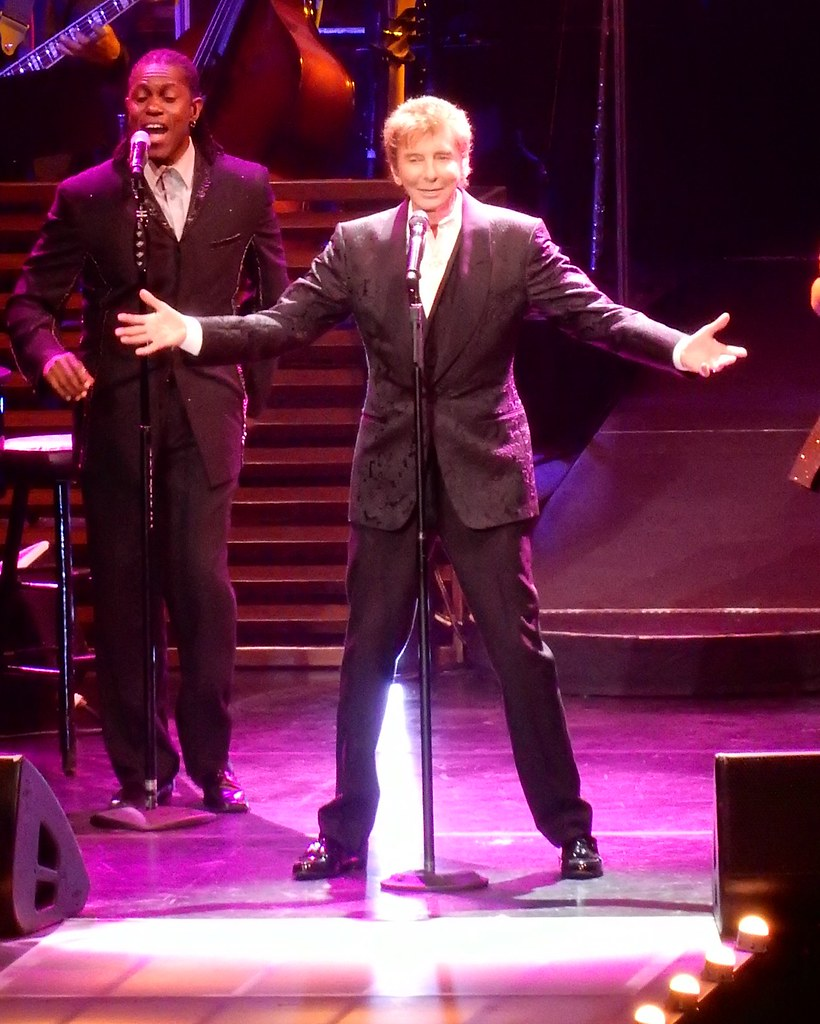
Last week, my wife and I went to see Barry Manilow in concert at Rocket Arena in Cleveland. It was a sold-out show on his “farewell” tour. I have been a fan of his (although I do not consider myself a Fanilow) since I was in junior high school; his music was a big part of the soundtrack of my teen years. As you can imagine, the crowd’s age skewed toward the AARP-zone. The concert was the first of Manilow’s that I had been to and perhaps the best concert I have ever seen in my life.

Originally, the venue was supposed to be Blossom Music Center–an outdoor, covered amphitheater with lots of lawn seating as well. At some point it was moved to the Arena where the Cavaliers play basketball. My wife and I wondered why the venue was changed, but I guess it always comes down to dollars and cents. The Rocket Arena can fit more people than Blossom. We also considered that while lawn seating is popular with those with good mobility, the older crowd may have found it off-putting to have to sit on lawns and climb up the hill. When we saw how steep the stairs were at Rocket Arena, we knew that could not be the reason.

As we entered our section that evening, two women were brought into the arena in wheelchairs. They were able to ambulate on their own for a little bit–and they did have aisle seats; even so it took several people to help them navigate down the steep stairs and get them situated. In the meantime, a line of people behind them had to wait to get to their own seats. When Manilow appeared on stage, it set quite a contrast. He is almost 82 years old. He sang and danced for an hour and forty-five minutes straight with no intermission!

How is it that some people struggle to get to their seats and others have the stamina, agility, and balance to entertain for nearly two hours? Of course, Manilow must have coaches and/or trainers who keep him healthy and fit–he looked great (although its obvious that he has “had some work done” on his face). Even so, I cannot help but think that it has to do with the choices that each of us makes as we go through life. As I tell my clients, the decisions we make today will affect what our tomorrow will be like. If we exercise, get sufficient rest, and eat right, we are more likely to be able to do the things we want as we get older. There is no 100% guarantee, but overall there is a strong cause-effect relationship.

Not everyone is Barry Manilow. There are always genetics and other factors that affect how we age. Research shows, however, that taking care of ourselves will yield results over time. This is one the main reasons why many of my clients have chosen to work with a personal trainer in their older adult years; they want to continue to do what the love to do as they age. For Manilow, it is to be an entertainer; what is it for you, and how can you make it happen?

The Economy and your Health/Fitness

Over the past several weeks we have heard a lot about how changes in the US economy have affected the job market, peoples’ willingness to make purchases, and retirement accounts. On-and-off-again tariffs and trade wars have impacted a large swath of the American public. These changes have hit the fitness industry as well–even my own company, At Home Senior Fitness.

Last week, I had a client email me that she was going to need to take a break from training for a while. She is retired and relies on her retirement accounts to pay for her expenses, including working out with me twice weekly for the last 5+ years. Her accounts took a bad hit as the stock market lost value and she is concerned that her money may not last as long as she thought; this called for some tough decisions, and dropping my services was one of them. While it is my hope that the economy will improve, I do not know if I have lost a client for a short while or for good. This obviously impacts me as well–especially since the majority of my clients are retired and on fixed incomes.

A couple of years ago, I blogged about a related topic. Many people view belonging to a gym or using the services of a fitness professional to be a luxury. The reality is that money put toward health and fitness should not really be considered discretionary; without good health and the ability remain active and independent, what good are the financial savings? In the long run, it is much less expensive to keep in shape than it is to become sedentary. It is not unlike doing maintenance on a car; if you keep to a regular schedule it will cost money–but much less than repairs later on as a result of neglect.

I know that these are tough times for many. I am fortunate to have lost only one client (and hopefully only temporarily). Short-term decisions about saving money, however, may end up having long-term implications. Let’s not lose sight of our priorities.

Differentiating My Brand

While attending the IDEA / ACSM Health and Fitness Summit, I availed myself a class taught by Billy Polson about differentiating one’s brand. That is just fancy for what makes my business stand out from the rest.

In the fitness world there are lots of big box gyms, community centers, and garage-style fitness centers. When I came up with the idea for At Home Senior Fitness, I knew that it would stand apart from all of those because of two main components. Our training would be limited to older adults (55+)–also meaning that all the trainers working with me would have training, experience, and/or specialization in that area. The other distinguishing factor would be the “at home” aspect; I do not own a brick and mortar gym, but rather provide services to my clients on Zoom or in their own homes (or in a fitness center located where they live).

These two factors differentiate me from any other business in Northeast Ohio and, as I have found out, from most other fitness firms in the USA. Many cater to older adults and many do at home training; very few do both. Even though I have my niche and have stuck to that core mission, there are still ways that I can further set my company apart from the rest. This was part of Polson’s challenge to each of us–no matter how unique our business model, we have to continue to differentiate.

What can I do to make At Home Senior Fitness excel even more? I have long talked about filming videos that demonstrate how to do various exercises safely; I have even toyed with putting together entire workouts and courses in video format. I do have regular communication with my clients, as well as someone who does social media for me, but I can probably improve on this as well. Perhaps I could also provide clients with better direction about what they should be doing on the days when they are not working with me. There are lots of ways that I can better the work that I am doing…but that all takes time.

This is why it is important for me to schedule in time (which I now do) to work on the business instead of just in the business. Once a week, I will spend one hour working on these projects. Of course, the goal is to expand my business from a financial standpoint, but more essentially the aim is to be able to reach more older adults who can benefit from physical activity and exercise.

The challenge has been put forth by Polson, and now I will do my best to rise to the challenge.

Black/White Fitness Disparities

February is Black History Month, an opportunity for Americans to learn about and appreciate the contributions of African Americans to our nation as well as to recognize the struggles they have faced over the centuries. In fits and starts, our country has made progress in racial equality but there is still a long way to go to achieve justice and equity.

One of the areas where there is still a disparity is in physical fitness. This seems counterintuitive at first since we see many African Americans excelling in sports, but on a more grass roots level there is still inequality. African Americans are significantly less likely to participate in exercise than other racial groups. As we know, the lower levels of physical activity can lead to heart disease, obesity, and other chronic illnesses.

Research shows that African Americans do not meet the recommended guidelines for physical activities as frequently as white Americans. This leads to greater occurrences of obesity. Studies show that this is caused in part by socioeconomic factors like lower income, less availability of safe and affordable gym facilities, as well as cultural influences that may discourage physical activity in the community–in particular, among black women.

Researches conclude that there may not be sufficient awareness in the community about the benefits of regular physical activity. Add to this that there may not be gyms or other athletic facilities tha06are safe and easily accessible and the impetus to exercise is decreased; for some, the cost may also be prohibitive. Even for those who do have the gym memberships, there are some places where they experience racial discrimination. Athletic facilities may also not have programs and resources that are geared to the interests and tastes of those in minority communities.

There is much in the fitness industry that can be done to reverse this reality. We need to partner with community leaders as well as the medical establishment to find ways to raise awareness, make engagement in physical fitness more attractive and affordable, and diversify the face of fitness professionals. All of these are a good start to help ensure that everyone has the potential to keep strong and healthy throughout their lifetimes.

I salute the achievements and contributions of African Americans to our country. May we all work together to create more opportunities so that all Americans can meet their potential.

Dental Health & Physical Fitness

Earlier today I went to the dentist for the final step of having a crown replaced–unfortunately, not the kind worn by royalty! As the dentist was making sure the crown fit perfectly, I wondered just how much dental health impacts physical fitness and vice-versa.

When I was studying for my personal training certification, I remember briefly learning about overall physical health (including oral) as part of the big picture. We were taught that having good oral hygiene was not only beneficial for teeth and gums, but also for overall wellness.

Some of the key connections are:

  1. Brushing and flossing regularly prevent cavities, gum disease, and bad breath. Having a “fresh” mouth (not the kind that gets you in trouble) is important during exercise. Besides, who wants to work out with someone whose breath could knock over a horse?
  2. Having healthy teeth and gums are necessary for eating the proper foods to promote fitness. Certain foods can help with this (leafy greens, fruits, dairy), while others are harmful (sugary snacks and drinks). If your teeth and gums are unhealthy, the proper diet will suffer.
  3. When we exercise it is important to keep well-hydrated. Drinking plenty of fluids can help wash away food particles reducing the odds of developing plaque and gum disease. It also can help produce healthy saliva to protect tooth enamel.
  4. Chewing (and jaw exercises) help maintain stronger bite and jaw muscles. When we exercise we often think of the building of muscles like biceps, calves, pectorals, and abs, but what would happen if the muscles we use in the eating process got so weak that we could not eat on our own?
  5. Avoid bad habits like consuming too many sugary drinks, excessive alcohol, and smoking. They increase the risk of damage to teeth and gums…and can cause bad breath! They are counterproductive to our fitness as well.
  6. Just like our physical fitness routines work best when done on a regular basis, have a regular habit of visiting the dentist for check-ups and cleanings. Dentists can spot little problems before they become serious; they now even check for different forms of oral cancers.

Other benefits of exercise are a stronger immune system which can fight infections (including those of the mouth) and other oral health issues. Working out can reduce stress, which can in turn lead to reduced teeth-grinding and jaw-clenching; these take a real toll on dental health.

Make it a regular habit–just like exercising–and you will find that improved oral health will lead to improved overall health and fitness. On the flipside, exercising regularly can help ensure that our teeth and gums will be there for as long as we need them.

What We Can Control

The Serenity Prayer is one that many of us have heard over the years. While for some it seems like nothing more than a greeting card sentiment, there is deep truth in its words.

We live in a world with no shortage of challenges. The adversity that we face is not just on a global scale, but can apply to our nation, our communities, and even our families.

There are huge things like hurricanes that we cannot change, so according to the prayer we must accept them; scientific research, however, shows that our climate is changing and weather is becoming more unpredictable and severe. Scientist point to many things that we can do–personally and on a grander scale–to alleviate the situation. This is where we run into the “wisdom to know the difference.” Sometimes we assume that we must accept things as they are (“it is what it is”), when change is possible; other times we judge that situations can be changed when they cannot. It does require wisdom.

Rabbi Harold Kushner’s famous book, When Bad Things Happen to Good People, addresses this very issue. His son was stricken with a terrible disease that took his life at a young age; this prompted Kushner to write the book. He notably did not call the book Why Bad Things… but rather When Bad Things…. He claims that we cannot understand why the world operates as it does–why the wicked often prosper, while the righteous suffer. All we can do is choose how to react when bad things happen. We must, he argues, be there to support each other.

This applies not just in a spiritual sense. As a personal trainer for older adults, I see clients with a variety of circumstances from dementia to Parkinson’s Disease to arthritis. None of them chose to have these ailments; none of them was deserving of their diagnoses. At the same time, none of them has given up on trying to maintain as much independence as possible. They have made a choice about how to respond to their circumstances. They may not be able to run a marathon any longer, but they can strive to be as fit as possible to enjoy life to its fullest.

The Serenity Prayer is not just sentimental tripe. It is actually a guide for us–not just in spiritual matters, but in our physical well-being as well. We all must decide what we can control and what is out of our hands. As for those things we cannot control, it is still up to us to choose how to react.

Doing Senior Expos

This past Thursday, I was an exhibitor at the Beachwood (OH) Senior Expo. The location was great–literally kitty-corner to where I live. It was the second Senior Expo I have participated in during 2024.

The expos generally have a room or two with vendors aimed at older adults. These include insurance companies, health care providers, senior living facilities, end-of-life organizations, home healthcare, and wellness companies. I was the only vendor providing fitness services at this expo.

I found a couple of interesting trends at this expo (some of which were shared with the one earlier in the year). First (it was on Halloween day) and that meant that most of the vendors had bowls of candy out; for some of the attendees, this was the big draw. I do have to question whether all that sugar is such a good idea for older adults; I did see one table handing out “healthier” treats and another with apples. I served nothing but I did have free pens! Second, more than half of the people with whom I spoke are actually involved in a regular exercise; Silver Sneakers and local community centers with fitness facilities are making a difference. This is a positive trend and it is good to see our government making it easier for residents to exercise. Third, I try not to be judgmental, but many of the folks who told me that they do not exercise at all seemed to be the ones who needed it the most; there was a lot of bad posture and weight management issues. There are also many people who exercise every now and again but do not have a consistent program. Fourth, there are a lot of really excellent, caring folks out there who are devoting their lives to help older adults; the networking group that sponsored the Expo has some fine folks who do the work they do not just for the salary, but because it is very meaningful to them.

In the end, I only got a couple of leads, but it never hurts to be out there getting the message to people who need to hear it. There will be more Expos in the future. There were about 200 attendees on Thursday; hopefully, we can reach even more seniors in the future.

Real Behavior Change

This Wednesday evening begins the new Jewish Year, 5785. Rosh Hashanah and the days through Yom Kippur (the Day of Atonement) are a time of reflection for Jews. We look back on the past year: what did we do well, upon what could we have improved? The holidays are all about change.

As a Rabbi and a Personal Trainer, change is a key part of my professions. As a trainer, I work with clients to get them to make changes in their health and fitness habits. As a rabbi, I work with others to change the world for the better, and also to make changes within ourselves that help facilitate it.

Can we really change, though? Is it possible to break out of our habits?

Recently, I took a continuing education course taught by Julia DiGangi. Dr. DiGangi is an expert in the connection between our brains, emotions and relationships. In the course, she discussed habit formation; habits are actions triggered automatically in response to contextual cues that have been associated with their performance. About 43% of our conscious experience is engaged in habitual behaviors! Most of the time this a good thing (like hygiene), but other times they can be negative (like smoking). Many of us–in both the spiritual and fitness realms–want to take the habits that do not help us and turn them into something positive. It is quite an effort, and unfortunately many of us give up before we can allow the new, better habit to be formed.

DiGangi explained how our brains are key in this process. The brain is like a “predictor machine;” it is not perfect, but it works well enough to keep us alive. Habits are simply fast predictions of how things should go; they can be overlearned patterns that are carried out without attention. There is a part of the brain called the Basal Ganglia; it controls addiction, emotion, thinking, and voluntary movement. It is a hugely important part of the brain and it is where habits rest…and where they can be broken.

The Basal Ganglia is also where attention lives. If we want to make real change, it will require a lot of attention. We must figure out how attentive we are, whether our attention is out of whack (ie, we are paying attention to the wrong things), and how we can improve our focus. Too often we focus on our problems and save little of our prectious time and energy on solutions. We need to refocus and pay attention. We should ask ourselves what are we REALLY trying to change–what is the root cause that needs fixing? How many times have we addressed it before and what did we do–and why was it not successful? Once we have done this, we must determine what is the TRUEST solution to the problem–not the easy one or the seemingly obvious one, but the one that will truly be successful. Then we need to be judicious with our time and resources to put that solution into effect.

This requires a tremendous amount of attention. Research shows that it takes 66 days to build a new habit. How many of us have the patience to work on a habit for that long? Does knowing it takes that long make a difference? Will it give us perspective and patience?

Again, whether we are looking at spiritual or health matters, attention is at the core of making real change. It is a difficult process, but it is possible to accomplish our goals and create positive habits that lead to positive character.

Best wishes to all who celebrate for a happy, healthy New Year. To all of us, pay attention. It is the foundation for change.