Social Connection and Wellness

August is National Wellness Month. This month aims to promote overall well-being by encouraging individuals to focus on their physical, mental, emotional, and spiritual health. It provides an opportunity for people to engage in self-care activities, learn about healthy lifestyle choices, connect with others and build support systems, explore wellness resources and programs, and prioritize their well-being in the workplace. 

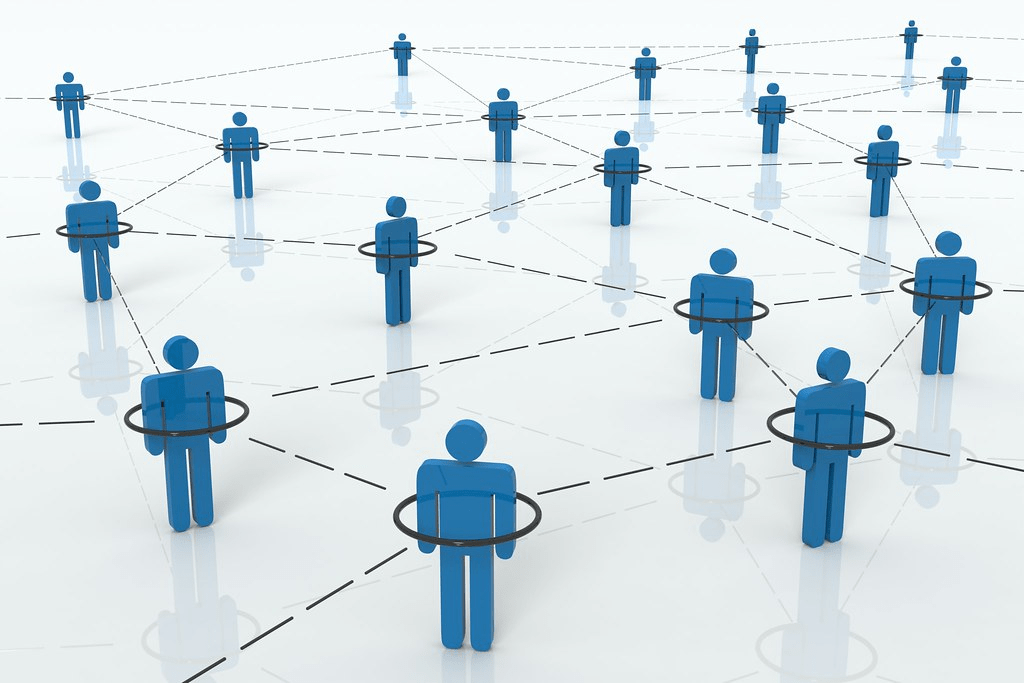
Over the years, I have blogged regularly about the importance of exercise, proper diet, and getting plenty of rest. This is the triumvirate of creating a healthy lifestyle. I recently read an article in the 2025 IDEA Fitness Journal (Issue 2) that talks about another key aspect of wellness that we may not often consider: social connection.  Social connectedness, defined as the feeling of belonging and having close social bonds, is not merely a pleasant aspect of life but a critical determinant of both physical and mental health. The absence of meaningful social connections, characterized by social isolation and loneliness, can act as a chronic stressor, triggering biological responses that negatively affect the immune system, cardiovascular health, and the body’s ability to manage stress.

What can we do to increase our social connections? The answer does not just apply to joining a gym or a group fitness class. Social connections can be found with family, friends, religious communities, fellow workers and students, just to name a few. Social connections do not just happen; as a matter of fact, the deterioration of social connections if often outside of our control. Moving to a new community, losing a life partner, or getting a new job can lead to isolation. It is a growing problem as adults are living longer and families are spread out over larger geographical areas.

First steps to increasing social connections might include talking to a medical provider, a clergy person, or the local library or government center. Doctors and other medical professionals often have the resources and can make referrals to places where help is available. Houses of worship often have outreach teams or ministries that work to make sure no one feels alone. Finally, libraries and local commissions on aging or community centers have programs on a regular basis that serve to edify individuals but also create an environment for making friends.

Loneliness is not just a feeling. Research shows that it can have negative health and wellness consequences. If you have been looking for motivation to “put yourself out there,” or even if you are reticent to do so, August–National Wellness Month– is the time to take that first step. It is key to your physical and mental health and well-being.

Independence with Responsibility

We just finished observing Independence Day weekend; for Americans it is a time of celebration as we commemorate our freedom from the tyrannical rule of kings in Britain. As of July 4, 1776, a single person was no longer the most powerful thing in our nation; the law was now the supreme ruler. While our union has not always been perfect [refer to centuries of chattel slavery], I would like to think that we are guided by this idea.

Unfortunately, there are many who focus on independence, liberty, and freedom without understanding the responsibilities that must go along with them. The thirteen colonies did not declare their independence from the British in order to create an anarchist society where anything goes; on the contrary, it was an imperfect attempt to create an egalitarian system where people are treated with dignity and where we support each other. The Constitution (which came about 13 years later) was the “responsibility” that came along with the “freedom.” Two years later, the Bill of Rights was ratified; in other words, our obligations came first and our rights came later.

This narrative parallels the story of the Hebrews’ exodus from Egypt in the Book of Exodus. The people were freed from the tyranny of Pharaoh and Egyptian servitude; they were not released in order to run around like wild people in the wilderness. On the contrary, according to Jewish tradition, the people received the Law at Mt. Sinai exactly seven weeks later. They were set free in order to be able to serve each other and God; the Torah was their guidebook.

What does any of this have to do with fitness? We are given our bodies as a possession with which we can do as we please (although your actual mileage may vary). We are autonomous beings. We can choose to live in a healthy way–exercising, eating healthily, getting proper rest, etc.–or we can let unhealthy habits take over our lives. Our bodies provide us a certain amount of freedom, but we have a responsibility to our bodies as well. If we do not treat them right, they will rebel and we will suffer.

As we make our way into the 250th year of American independence, let us reflect upon our obligations to others to help make this country a place of peace, justice, opportunity, and liberty. Let us also not forget the obligations we have to our own physical well-being; without our health, it is impossible to fulfill our other responsibilities.

Family is Good for your Health

I had the good fortune this past weekend to travel to St. Louis for a family wedding. Actually, it was a wedding on my wife’s side of the family, so I am relative newcomer to the scene (17 years!). What a wonderful and joyous experience it was–even when the ceremony was interrupted by a tornado warning that forced us to evacuate the ballroom. While in St. Louis, I was also able to worship at the synagogue where I had my first rabbinic position 30 years ago, see some cousins on my side of the family that I had not seen for at least a decade, and also some dear friends who I see more often.

My parents taught me that whenever there is a Simcha (Hebrew for a “Happy Event), I should make every effort to go. There will always be sad occasions and that is not the best time or place to reconnect with loved ones. As a child we got in the car or hopped on a plane to Omaha, Minneapolis, Chicago, Wilkes-Barre, El Paso, and places in between for weddings and Bar/Bat Mitzvahs. These are the warmest memories of my childhood.

It is worth noting that when we talk about “family,” there is the family that you “get,” and also the family that you choose. I have dear friends that are family to me. My wife’s family has also become my family. There are many definitions for what family can be. In each case, I make the effort to be there when I can when there is something to celebrate–not just when something tragic has occurred.

Whenever I am at a family gathering or Simcha, I always leave feeling refreshed and energized. [This is also a product of having learned how to avoid the toxic ones in the mix.] Research shows that getting together with family for special occasions or even just for Friday night or Sunday dinner can have a positive effect on our health. In general, individuals with a strong sense of support from family and friends have a brighter outlook and are able to face adversity with greater equanimity. Conversations and interactions with loved ones also help us learn about ourselves and the world around us; these novel experiences help to build and maintain neural pathways. It is actually good for our brains! Reunions often span several generations; the mixing of ages also has a positive impact. Younger folks can learn from the older generation and vice-versa.

I know that as I grow older making an effort to be with family and friends will be all the more important. Some are close by, but many are far away. It can be costly to travel, but for me it is one of the best investments I can make in my health and welfare. I can hardly wait for the next Simcha!

I’m Not Gonna Waste My Shot

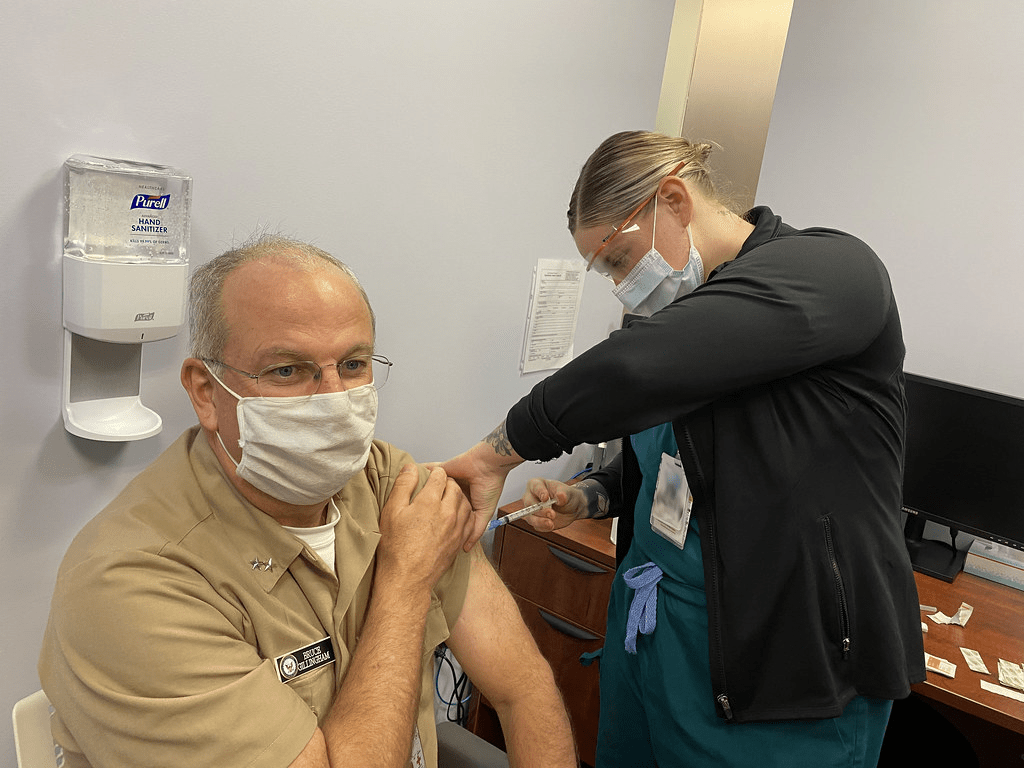
The last week in April of this year has been named World Immunization Week by the World Health Organization (WHO). According to the WHO’s website, “The global vaccine drives of the second half of the 20th century are one of humanity’s greatest achievements. Immunization campaigns have enabled us to eradicate smallpox, nearly defeat polio, and ensure more children survive and thrive than ever before.” Unfortunately, progress on immunizations has slipped in the last few years; according to the WHO, “Growing conflicts, economic downturns, and a rise in vaccine hesitancy are some of the threats to efforts to reach…children. As a result, the world is seeing sudden outbreaks of diphtheria and measles diseases that, until now, we’d had nearly in hand.”

When we think about vaccinations, we usually think about two things: babies and children, and the COVID-19 vaccines. Immunizations are not just for these two reasons. According to the Centers for Disease Control (CDC), there are vaccines that are especially important for older adults. Those aged 50-64 should be up to date on COVID-19, Flu, Shingles, and Tdap (Tetanus, Diptheria, and Whooping Cough). Others that might be recommended by a physician in this age cohort include Hepatitis B, MMR (Mumps, Measles, and Rubella), as well as RSV (Respiratory Syncytial Virus). Those older than 65 should add in the Pneumococcal vaccine. Depending on your lifestyle, there may be other important precautions to take; for example, last year I traveled to South America and the parts of Argentina and Brazil where I visited necessitated Yellow Fever and Malaria immunizations.

Some people worry that vaccines are dangerous. A report from the National Institutes of Health (NIH) last year concluded the following: “Vaccines play a crucial role in reducing mortality rates in the elderly by preventing severe infections and associated complications. Any vaccine-preventable infections, such as pneumonia, meningitis, and certain respiratory and bloodstream infections, are commonly associated with antibiotic use. By vaccinating older adults against these diseases, the incidence of infections can be reduced, thereby potentially decreasing the need for antibiotics and reducing the selection pressure for antibiotic-resistant bacteria. Older adults may be more susceptible to antibiotic-resistant infections due to factors such as weakened immune systems, higher rates of healthcare-associated infections, and more frequent antibiotic use. Despite these positive effects, vaccine resistance is observed specifically in the elderly population. Age-related changes in the immune system, the individual’s immune response, and the individual’s overall health status often limit vaccine efficacy. Certain medical conditions, such as immunodeficiency or chronic diseases, may impair the immune system’s ability to mount a robust response to vaccines. As a result, the level of protection provided by vaccines may be reduced in these individuals. Despite these factors, vaccination remains crucial for older adults as it can still provide significant benefits in terms of reducing the risk of severe illnesses, hospitalizations, and complications.”

In other words, the benefits outweigh the risks–especially as we age–since we are often less able to fight off infections. Even though the immunizations may be less effective due to a number of factors, the benefits are still there.

On a personal level, I did not get the immunization for shingles after I turned 50. My wife got shingles when she was 49. I saw how horrible it was and how much pain she was in. We both wondered how much older folks could possibly bear shingles, especially when you factor in other medical issues. The next day I made my appointment for my first shot. At my annual check-up, I make sure to review my immunizations with my doctor. I would rather be safe than sorry.

Observe World Immunization Week by checking with your health care providers. To paraphrase the musical, Hamilton, don’t waste your shot!

Can Friends Keep You Healthy?

One of the greatest challenges facing older adults is loneliness. When we are younger, we are often surrounded by partners, children, and friends. As we age, though, spouses and friends may no longer be with us, and in our highly mobile society, children often move away from where they grew up. Being surrounded by loving and supporting people might be something we unfortunately take for granted in our younger years, but it becomes more and more precious as time passes.

Loneliness can also have an adverse effect on physical health. A recent article from AARP, highlights the way that friendships can influence our physical well-being. The article notes that a “new study of older adults finds that even momentary social interactions with friends reduce fatigue and stress. It follows a wealth of earlier research showing that friendships later in life forestall dementia, Alzheimer’s and physical decline.” Social interactions are thought to stimulate the brain much in the same way that some puzzles do: activating thinking, remembering information, and being mentally nimble. Lack of social interaction can be worse than the effects of obesity, smoking 15 cigarettes a day, and physical inactivity.

How can loneliness be counteracted? The answer is particular to each individual. Introverts may actually fare much better than extroverts in this regard; there are those who simply get more stimulation and fulfillment from reading a book, watching a movie, or going for a walk alone. For older extroverts, however, the need to be with others can be complicated. We make most of our friends at work, at school, through our children, and by being out and about; these opportunities are often limited as we age. The COVID-19 pandemic showed us, though, that even folks who have a hard time getting out of their homes can still find ways to meet new people. Those who do not have mobility issues or have better access to transportation can get involved in senior groups at houses of worship, community centers, or libraries. Many find new friends at the local gym, in adult education classes, and in group travel. It requires some effort, but ultimately there is a positive payoff.

Nobody wants to be lonely. Humans are social beings. Not only can strengthening and creating friendships be good for our emotions and spirits, but we should not forget that it can also impact the way we feel and how we age in a healthier way.

Being Awed

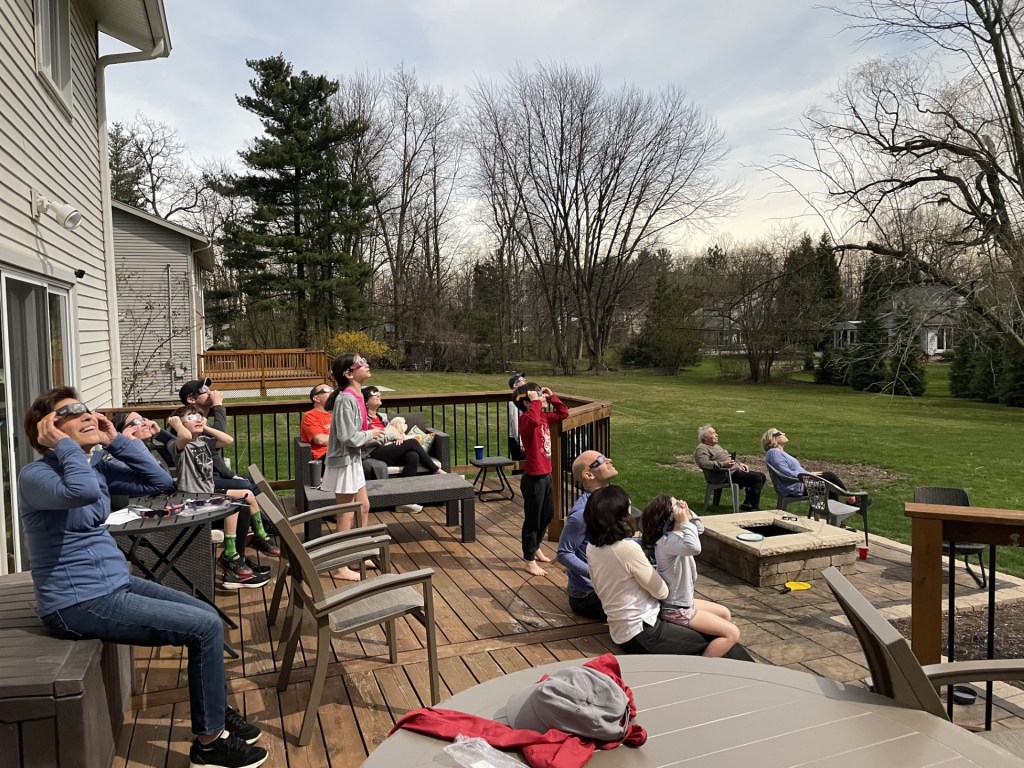
I was fortunate today to share a once-in-a-lifetime event with my family: the solar eclipse of 2024. Living in suburban Cleveland, we were in the path of totality. I knew the experience would be cool, but nothing prepared me for the overwhelming awe of those 3 minutes of totality. Within a half hour of the beginning of the eclipse, it began to cool down (it was an unseasonably warm day); as the totality approached it began to get darker and darker–almost like the moments after sunset. At the moment of totality, we took off our glasses and were treated to the most amazing Ring of Fire. As long as I live, I doubt I will ever forget the sights, sounds, and feelings of those moments. It was chilly. It was quiet. The wind stilled. The moon and sun put on a spectacular show.

Of course, eclipses occur quite rarely–and total eclipses even less. Nevertheless, there are awesome things around us all the time; by “awesome,” I do not mean in the slang use, but rather in the traditional meaning of inspiring awe. Our world is filled with many terrible things, but there are also many amazing things. Watching cardinals hatch in a nest in the small wild hydrangea in front of our house was awesome. Being there for the birth of each of my children was amazing. Having the opportunity to travel and see man-made wonders (the pyramids of Egypt, the skyscrapers of New York City, Machu Picchu, and the magnificent city of Jerusalem) and natural ones (Iguassu Falls, the Grand Canyon, a Resplendant Quetzal in Costa Rica, and huge tortoises in Galapos) has made me appreciate how much there is to inspire awe in our world. While there are many horrible acts committed in the world, there are also acts that humans perform that fill me with wonder: donating blood, adopting children, fighting for justice.

When we recognize the awesomeness in our midst, hopefully we begin to cultivate a practice of gratitude. As I have blogged in the past, developing a sense of thankfulness can result in positive health outcomes–both physically and emotionally. We may not only be thankful to a higher power for the marvels of the natural world, but also to the positive accomplishments of our fellow humans. We can also be better at showing how grateful we are to those around us.

The eclipse had a profound effect on me. I hope that it will inspire me to bring more wonder into the world through my actions, and to better appreciate the awesome things and people around me.

New Year’s Resolution? Grab a Partner

It is that time of the year again. Hanukkah and Christmas are behind us, and in just a few days it will be 2024. I have blogged in the past about New Year’s Resolutions. You can read those posts here, here, here, and here. If you do not want to read all of those posts again, let me give you a summary.

  1. A resolution without a plan is just a resolution. If the goal is: ”I am going to get in shape,” what is the plan? A better resolution is: ”I am going to go to the gym 3 times each week.” The more specific you are the better the chances you will achieve your goal.
  2. Keep it simple. I know some friends who have a whole bunch of resolutions; it is like a grocery shopping list. In Hebrew there is an expression: Tafasta m’rubeh, lo tafasta, which translates as “if you try to grab too much, you grab nothing.” I like the Rule of 3. Choose three things and concentrate on them.
  3. Be realistic. Many of the resolutions that we make we have made before. Are they actually achievable? Can we identify the reasons why we failed? Socrates said, “Know Thyself;” be honest with yourself about what you can and will do and make the plan accordingly. It is better to have small successes that help to build a pattern.

What is the secret sauce to all of these? Grab a partner. Find someone who is willing to be with you on your fitness journey. It can be a spouse/partner, colleague from work, a friend at the gym, etc. Work together to plan goals and how to meet them. Once that is done, hold each other accountable.

Several years ago when I work at a gym, I was in charge of a fitness challenge. We divided into three teams. Not only did individuals win prizes, but the entire team could win if they met certain criteria. We had a very low drop-our rate for the challenge simply because team members looked out for each other, encouraged each other, and did not want to disappoint others in the group. The same dynamic can work one partner or even a small group. Have each other’s backs and watch the results.

The next week is a great opportunity to think about what went well and not-so-well in the past year. A New Year can be a new beginning. To make the most of it, have a plan (keep it simple and realistic), and grab a partner!

Wishing everyone the best in HEALTH and happiness in 2024!

Is Religion Healthy?

Well, as they say, that is a deep subject.

I have blogged in the past about the effects of religious practices on health. Fasting is a part of many religious traditions; intermittent fasting has become a “darling” in the weight-loss world. Forgiveness is central to most faith communities, and the positive influence of forgiveness has been proven both in the emotional/psychological realm as well as the physical. Developing a sense of gratitude, also has favorable effects.

Right now, Jews across the world are in the middle of the Ten Days of Repentance. This is the period that begins with Rosh Hashanah (the Jewish New Year) and ends with Yom Kippur (the Day of Atonement); it is a time of heightened spirituality, self-awareness, and soul-searching. It is followed five days later by Sukkot–a festive harvest holiday, as well as Simchat Torah when the lectionary cycle of the Torah concludes and begins again. It is a very busy time on the Hebrew calendar, and as a rabbi, I cannot help but wonder…is it good for us?

Many studies have shown the positive impact of being involved in a religious community. Religion can offer certain psychologic benefits such as a positive and hopeful attitude about life and illness, which can lead to better health outcomes and a longer life expectancy. Religion can also provide a sense of meaning and purpose, which have been shown to affect health behaviors; it contributes to stronger social and family relationships too, providing stronger networks of care when illness occurs. The National Institutes of Health reports that this is especially important in older adults who often experience a sense of loneliness and social isolation. A study conducted at the Ohio State University concluded that those with religious beliefs may live up to 4 years longer (at the very least) with all other things being equal; factor in gender and marital status, and that number can go as high as 9.45 years!

Of course, the picture is not completely rosy. There are some religious groups that focus on issues such as guilt or that may engage in coercive/controlling behaviors which are detrimental to health. There also some faith communities that eschew modern medical treatments. Be wary of religious groups and experiences that put health at risk.

Overall, however, it appears that having faith and being part of a supportive community can make a positive difference. In fact, research bears out that religion is not only good for the soul, it is good for the body as well!

Passover’s Almost Here; What’s the Plan?

Everyone has a time of the year that is most challenging in terms of keeping up with their fitness routine and good nutrition. For me, it is my favorite holiday on the Jewish calendar: Passover! This holiday presents a double-whammy (if not triple-whammy) in this regard. First, out of the 8 days that the holidays is observed, half of them (days 1, 2, 7, and 8) are festival days when certain kinds of activities are prohibited; many people who observe the holiday include exercise in that category. Second, the entire food scheme is turned upside-down; many foods we are used to eating are forbidden for the 8 days, and many that are permitted are heavy in carbohydrates–like Matzoh.

Passover (and Easter, which is also right around the corner) is filled with pitfalls and many months of hard work can be erased in week. How do prevent that from happening? Planning.

For my family this means setting the menu for the entire holiday in advance. By planning out each of the meals, we know that we have balanced, healthy food options for the week. This actually presents a great opportunity since fruits and vegetables are exempted from the Passover prohibitions (consult your rabbi regarding legumes) and can be increased in quantity during the week; this also helps to regulate the digestive system.

The other key is ensuring that on the non-festival days, time is set aside for exercise; set those times in advance and it will be even easier to stay on track. On the festival days, we are permitted to walk. If the weather is nice, use this as an opportunity to get outside and keep moving; along the way, visit friends and family.

This is really not that difficult. The problem is that many of us have convinced ourselves that because the first two nights of Seder feasts are just that–feasts!–the entire holiday is a lost cause in terms of healthy eating. Two “challenging” meals are followed by 6 days during which we can eat more carefully with the intention to keep portions smaller and include fruits and vegetables. We should not beat ourselves up because we “fell off the diet wagon” for two days, but rather we should get right back on the path of good nutrition. This is also true after a day of heavy eating, chocolate eggs, etc., for those who celebrate Easter.

Holidays need not be a reason for anxiety–at least around food. There are times when it is natural to overindulge. The main thing is not to stress over it; accept it, get over it, and move forward.

Wishing everyone who observes a happy and healthy holiday!

The Most Wonderful Time of the Year?

Thanksgiving Dinner

Andy Williams sang, “It’s the most wonderful time of the year….” The holiday season ushered in by Thanksgiving is wonderful in so many ways: family gatherings, festive meals, joyous music, and fun family traditions. It is for many, though, the most difficult time of the year.

The holidays season puts a lot of stress on us. The continued emphasis on consumerism around Christmas and Hanukkah is not only stressful as we try to get the perfect gifts, but it also puts pressure on our financial situation. There is also the potential conflict that arises in families–you know that crazy uncle who always brings up politics! We may also be worried about meeting year-end goals. It is just a very intense time of the year.

I have blogged in the past about how to try to approach the holidays–and Thanksgiving, in particular–in a more healthy way. Last year, we had the added issue of families preparing smaller feasts given the isolation and reduced gatherings necessitated by COVID-19; for many, that is less of an concern this time around. For most people, this final part of the secular year becomes a battle against overeating; it is exacerbated by an extra busy schedule which might make finding time to exercise and get enough sleep challenging.

There are two key factors that I keep in mind as the holidays near.

1. Plan, plan, plan. Typically, my wife and I plan our menus out a week in advance. We know what we are going to have for each meal, create the shopping list accordingly, and thus avoid (mostly) purchasing foods that are less healthful. I plan as well for those days when I know there will be a lot of food around (Thanksgiving, Hanukkah, football games, holiday parties, etc.) so that I eat moderately the rest of the day; at the “event,” I do my best to drink lots of water and set simple rules for myself like “fill the plate one time only” or “skip the sides and save for dessert,” so that I do not gorge myself. As an aside, try to limit alcohol intake as it is dehydrating and often lessens our resolve to follow our rules. I also take a look at my week and day in advance to figure out when I will be able to work out; I am a personal trainer and I also teach fitness classes so this is a little easier for me, but there are days when I have to simply block out the time to make it happen. This time of the year calls for planning.

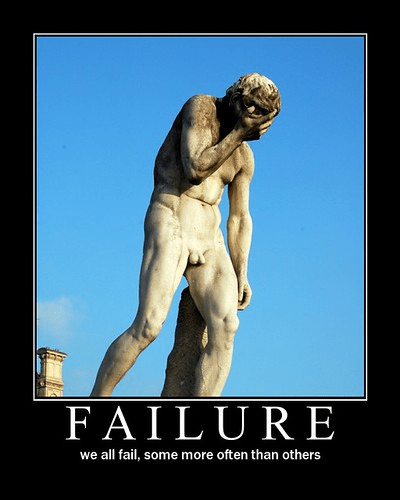
2. Be kind and forgiving to yourself (and others). It is almost inevitable that we will have a “bad” day. We may go into that holiday party with the best of intentions, totally prepared and planful, only to take one look at the baked salami, pecan pie, and spinach/artichoke dip and it’s all over. It happens to almost every one of us, including me. I do not beat myself up over it; I do not consider myself a failure. I am only human. Instead, I get back on track the very next morning. In the long run, one bad day is not going to ruin our health. What will be harmful is getting upset at ourselves, giving up, and turning one bad day into a bad week, month, or year. Recognize that there are times when we come up short; that is OK, and we just look forward. Be kind to yourself.

Finally, remember that this time of the year is not about obsessing about our eating habits and exercise. This should be a concern (not obsession) all year round. Take into consideration the special circumstances of the holiday season, but do not get overwhelmed. After all, with the gatherings, music, tradition, and treats–no matter what holiday(s) you celebrate or do not–it is really a most wonderful time of the year!