Exercise and Diabetes

When we think about November, most of us think about Thanksgiving, but it is also American Diabetes Month. I have blogged about Diabetes in the past, here are a few things we should all know about Diabetes and exercise.

Diabetes is a chronic disease where the body does not produce enough insulin or cannot properly use it, leading to high blood sugar levels.  This occurs because insulin, a hormone, is necessary for blood sugar (glucose) to enter cells for energy. Over time, consistently high blood sugar can cause serious health problems like heart disease, vision loss, and kidney disease. Generally, when we think of Diabetes, we think of controlling the disease through diet and medication (namely insulin). Major organizations such as the American Diabetes Association and the National Institutes of Health also recommend that regular exercise be a part of the plan for controlling blood glucose levels.

It is worth noting that many people with Diabetes (especially Type 2) have a number of other health issues such as obesity and being overly sedentary. The thought of starting an exercise regimen may seem daunting. After a diagnosis of Diabetes, there are so many changes to deal with: learning to inject medicine (in some cases), changing diet, monitoring blood levels, etc. How is it possible to add regular physical activity to that mix?

The American Diabetes Association recommends (and I echo this sentiment) beginning slowly. A journey of a thousand miles begins with a single step. It may not be feasible or desirable to immediately jump into a daily exercise routine. A primary care physician or endocrinologist should be consulted so that a person with Diabetes understands the effect that exercise can have–especially when it comes to glucose levels. An exercise professional such as a personal trainer can also assist in the process; it is important to choose one who either has certification for or extensive experience working with clients who are diabetic.

The diagnosis of a chronic disease is never easy. In many cases, though, there are choices that we can make to control the way the disease will affect our lives. One of the choices is incorporating regular exercise into our schedule. It may be scary and overwhelming at first, but with the right kind of help, we can have a big impact.

Best Exercises for Osteoporosis

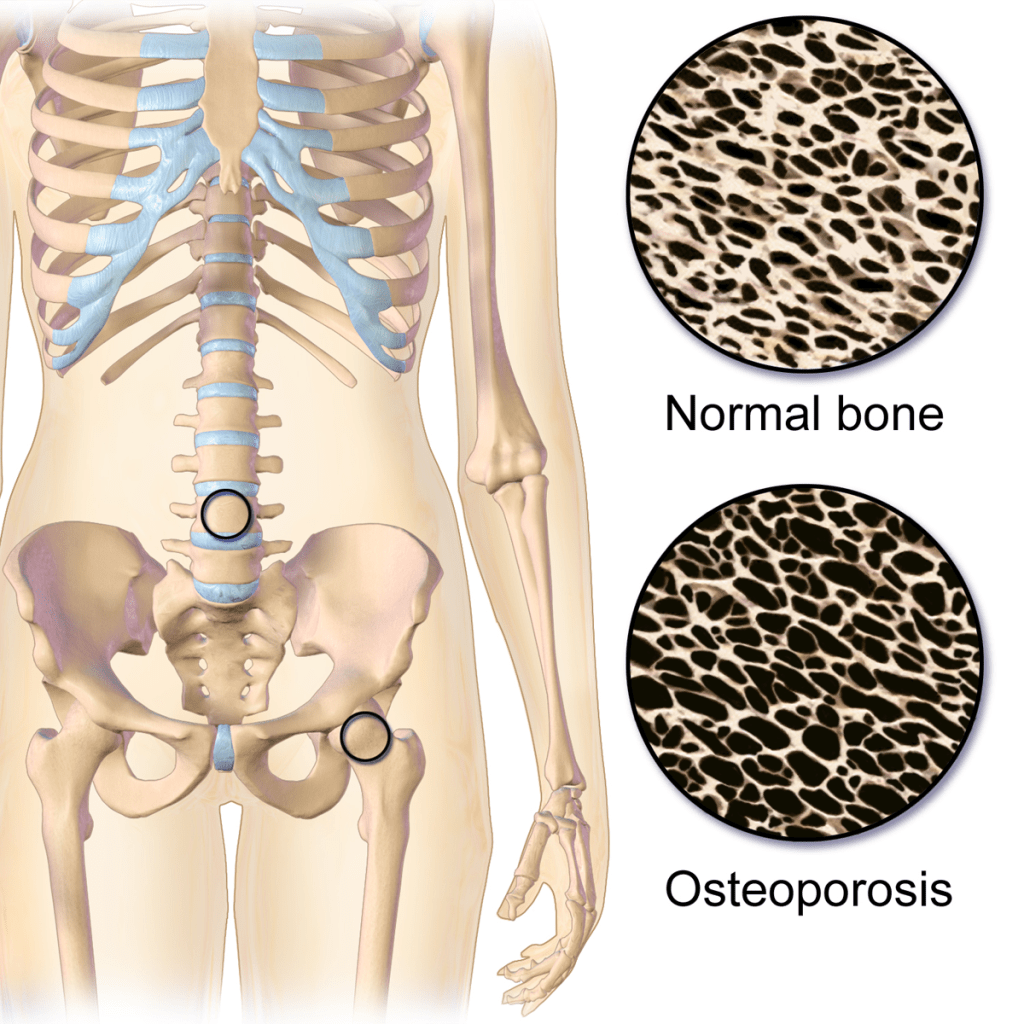
October 20 (yesterday) was World Osteoporosis Day. I blogged about Osteoporosis several years ago, but here is a quick refresher. It is a condition that weakens the bones and makes them more susceptible to injury and breakage. Although it mostly affects women, Osteoporosis can happen to men as well.

In my previous blog, I discussed the importance of weight training for those with this condition. As always, caution should be used in any exercise program and it is best to consult a medical professional before beginning. Although we have been accustomed to hearing that older people should not work with weights because they might hurt themselves or break a bone (which can happen), the opposite is the case with osteoporotic individuals. Putting controlled stress on the bones makes the stronger; working with weights does not just build muscle alone.

What are the best exercises to do for those with Osteoporosis?

According to the Cleveland Clinic, cardio exercises (that help to build heart and lung capacity) should have a weight-bearing element to them. Swimming and biking are not weight-bearing, so while they are good for the body, they will not strengthen bones. Walking, running, and dancing are examples of exercises that will affect the bone structure.

As for resistance training (using weights), the Cleveland Clinic suggests focusing on the parts of the body that are most likely to suffer a fracture: spine, hips, and wrists. As we age, many of us use lighter weights and do more reps (repetitions of the movement), but with Osteoporosis there must be enough weight/resistance to cause the bone to respond; this requires using heavier weights and doing less reps. It is important to work with a fitness or PT professional to determine the right weight, exercises, and number of reps to be most effective. Certain stretches are also important: back extensions, shoulder shrugs and rolls, knee raises, and flexing the ankle so that the toes come up toward the knees.

There are elements of diet and medications that can improve the condition, but certainly exercise is an important aspect of managing Osteoporosis. On World Osteoporosis Day, we raise awareness of the condition, the ways it can be treated, and the importance of continued research that will allow older adults to live longer, stronger, and healthier lives.

Is Your Iron the Problem?

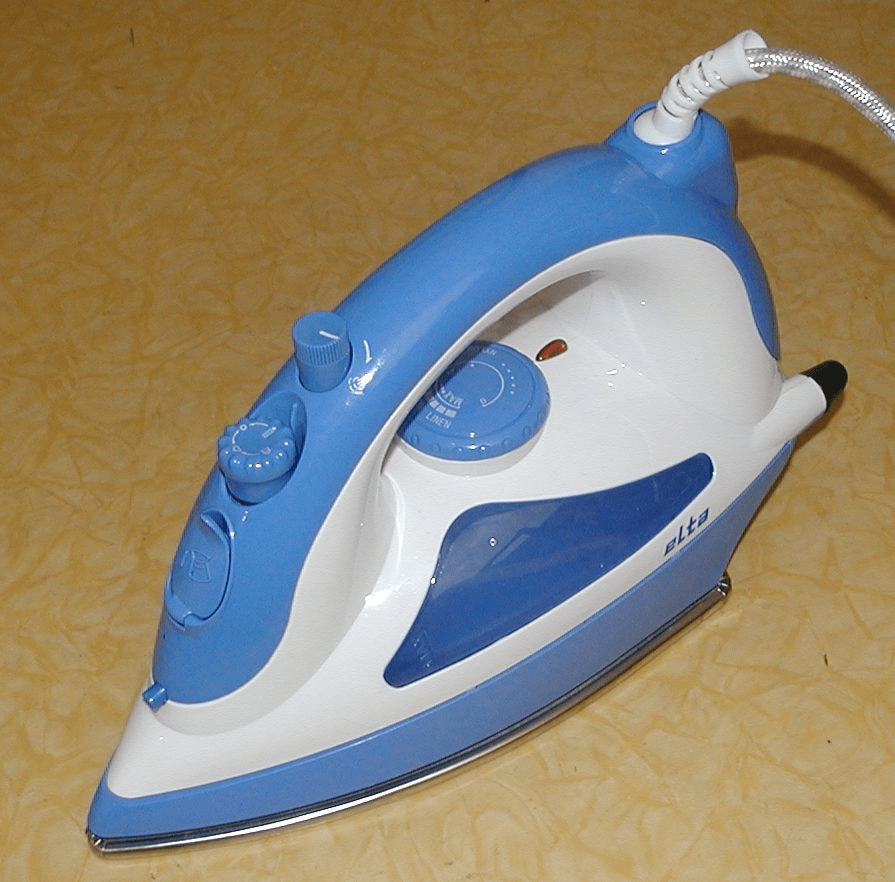
Surprise! Not that kind of iron–although it might be the problem too!

Iron deficiency in the United States has become major issue. According to the National Institutes of Health, about 25% of Americans are iron deficient. There are two kinds of deficiency: 1) having low iron stores in our bodies, which is called absolute deficiency, and 2) having difficult using the iron that is stored, which is called functional deficiency. All of the major medical associations in the USA like NIH, the CDC (Centers for Disease Control), and the AMA (American Medical Association) have sounded the alarm.

This is especially pertinent for older adults where it is particularly prevalent. It can lead to anemia, causing symptoms like fatigue, weakness, shortness of breath, and headaches. It often results from chronic blood loss due to gastrointestinal issues, poor iron absorption, or insufficient dietary intake. Anemia in seniors can manifest in various ways, including pale skin, fatigue and weakness, dizziness, shortness of breath, headaches, and a high heart rate.

How do you know if you have an iron deficiency? There is a simple blood test that can be administered by a health professional to identify if it exists and what the possible cause might be. Treatments can include iron supplements, changes in diet (increasing the intake of red meat, poultry, seafood, beans, dark leafy vegetables, and iron-fortified cereals), and addressing the underlying issues that may be causing the deficiency in the first place.

As we age, it becomes all the more important to check our iron levels. Iron is part of hemoglobin, and a healthy level helps transport oxygen to the body’s cells. Iron strengthens our immune system and can help fight infection. Cellular energy production is also dependent on iron which helps our bodies utilize oxygen more efficiently. Finally–and most compelling for adults–proper levels of iron help us to regulate body temperature, maintain healthy hair and skin, and supports cognitive function.

If you are not sure about your own iron levels, let your doctor know. The treatments are effective and can help to reverse some of the symptoms that we may relate to “old age,” like fatigue, shortness of breath, and weakened immunity. So while you may send your shirts our to get pressed, the responsibility to avoid iron problems in your body depends on you.

Training Clients with Dementia

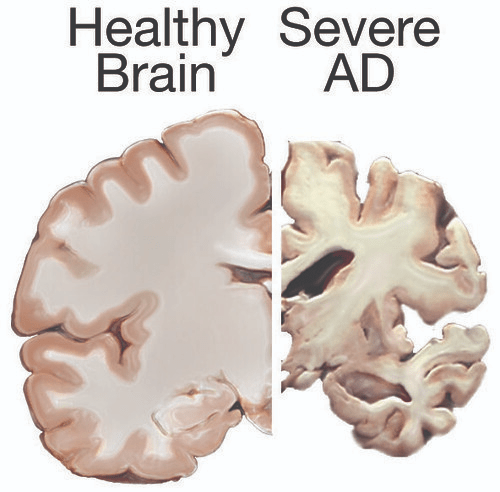
September is World Alzheimer’s Month; it is a time to raise awareness about Alzheimer’s disease, promote brain health, and support those affected by the condition. 

As part of my education to become a Personal Trainer, I had to learn about working with “special populations;” this can refer to youth, those with chronic diseases, and those with disabilities. After my certification as a trainer, I studied to become a Functional Aging Specialist. After obtaining that specialization, I was better prepared to work with older adults living with a wide variety of physical and cognitive conditions. I thought I knew all that I needed to know to work with people living with dementia.

Book-learning and seminars, however, are no substitute for hands-on experience. Over the last seven years, I have had the opportunity to work with several clients at various stages of Alzheimer’s Disease or other forms of cognitive decline. It is interesting and challenging work, and I have learned a lot.

There is a question, though, about what the benefit of such an exercise program might be. I have posted about this in the past, but it bears repeating as we work our way through World Alzheimer’s Month. The only non-medical way in which brain health can be improved is through exercise in conjunction with a proper diet and sufficient rest. The heart pumps and circulates nutrient rich blood to all parts of the body; when we exercise (especially cardio) that process speeds up and brings more nourishment to the cells, including those in the brain. Research shows that regular exercise can help to slow the progression of the disease.

There is another aspect though which should not be overlooked. For some of my clients with dementia, the time that I spend with them is an opportunity to engage socially with someone aside from family or caregivers. I always come prepared for a workout especially designed for the client and his/her capabilities; in that respect, they are no different than my other clients. What is different is the way the session may proceed. I usually need to demonstrate exercises several times–even after we just completed a set; this requires patience on my part, but I have gotten accustomed to this and it has changed the way that I cue all my clients for the better.

Related to this is that I must modulate the conversation that I have with my clients with dementia. Ask any of my clients and they will tell you that I love to chat during our sessions; it helps to engage the client and make the session appear to move more quickly–while still getting the same amount of work done. The kinds of questions I may ask clients with Alzheimer’s Disease and the topics we might discuss are different. In most cases, I cannot ask “how was your weekend?” as they may not remember. I can usually ask about things that happened many years ago (those memories are often preserved), but most of the time I focus on the present moment. I may talk about what is going on in my life or the weather or the local sports teams. I like to focus on the present moment and making the most out of it for my client–from an exercise and social standpoint.

World Alzheimer’s Month is a time to reflect on the way that this disease has affected so many individuals and families. It is a time to advocate for more research (rather than cuts in funding). It is also a month in which we can reach out to those around us with dementia and help to make their present moment just a little bit brighter. I am proud of my role as Personal Trainer in helping to make that a reality.

Social Connection and Wellness

August is National Wellness Month. This month aims to promote overall well-being by encouraging individuals to focus on their physical, mental, emotional, and spiritual health. It provides an opportunity for people to engage in self-care activities, learn about healthy lifestyle choices, connect with others and build support systems, explore wellness resources and programs, and prioritize their well-being in the workplace. 

Over the years, I have blogged regularly about the importance of exercise, proper diet, and getting plenty of rest. This is the triumvirate of creating a healthy lifestyle. I recently read an article in the 2025 IDEA Fitness Journal (Issue 2) that talks about another key aspect of wellness that we may not often consider: social connection.  Social connectedness, defined as the feeling of belonging and having close social bonds, is not merely a pleasant aspect of life but a critical determinant of both physical and mental health. The absence of meaningful social connections, characterized by social isolation and loneliness, can act as a chronic stressor, triggering biological responses that negatively affect the immune system, cardiovascular health, and the body’s ability to manage stress.

What can we do to increase our social connections? The answer does not just apply to joining a gym or a group fitness class. Social connections can be found with family, friends, religious communities, fellow workers and students, just to name a few. Social connections do not just happen; as a matter of fact, the deterioration of social connections if often outside of our control. Moving to a new community, losing a life partner, or getting a new job can lead to isolation. It is a growing problem as adults are living longer and families are spread out over larger geographical areas.

First steps to increasing social connections might include talking to a medical provider, a clergy person, or the local library or government center. Doctors and other medical professionals often have the resources and can make referrals to places where help is available. Houses of worship often have outreach teams or ministries that work to make sure no one feels alone. Finally, libraries and local commissions on aging or community centers have programs on a regular basis that serve to edify individuals but also create an environment for making friends.

Loneliness is not just a feeling. Research shows that it can have negative health and wellness consequences. If you have been looking for motivation to “put yourself out there,” or even if you are reticent to do so, August–National Wellness Month– is the time to take that first step. It is key to your physical and mental health and well-being.

Choosing the Right Trainer for the Long Haul

A friend on Facebook who is close to my age was recently lamenting that she had a doctor who looked like he might have just graduated from high school–let alone medical school! I commented that this was fine with me since I want a doctor who will not retire in the near future; this already happened with my primary care physician a few years ago.

Older adults looking for a personal trainer may have similar concerns in their selection process. What factors should be considered when choosing a trainer who will be with you for the long haul? In some gyms there is a lot of turnover; this is less often the case when it is an independent trainer running his/her own business like I do. What should you look for when making the choice?

John Preston in a recent article for IDEA Fitness Journal researched two related topics: 1. Does education matter for personal trainers? In other words, does having a higher level of education affect the success of a trainer in his/her career? This is related to 2. Does the level of education help with client retention? Is a trainer more likely to hang on to clients for longer if s/he has a higher degree of education?

To cut to the chase, Preston’s research concludes that neither the level of education nor the number of certifications seem to be significantly associated with how much a trainer actually knows (based on a 24 question exam given to participants in the study). Furthermore trainer knowledge does not correlate to greater retention. Two factors were found to influence how long a client stays with a trainer. 1. Facilities with less than 1000 square feet (usually an independent gym) and those with over 30,000 square feet (mega-gyms) had the highest level of retention. In the smallest gyms (or a business like mine where we come to a client’s home) there is more likely to be a personal attachment and loyalty to the gym and the trainer; in a mega-gym, there are usually many other perks such as lots of equipment, many classes, a swimming pool, upgraded locker rooms, etc., that make it worthwhile for members (usually wealthier) to stick around. 2. The longer a trainer has been in the industry, the more likely they are to retain clients; those with10+ years have the highest retention rates. Interestingly, the veteran trainers also have the highest level of knowledge; this may be due to the requirement for continuing education as well as a greater commitment to their career. For comparison, most of the trainers in the study had only been in the industry 3-5 years.

What does this mean for older adults looking for a trainer who will not abandon a client? The more experienced s/he is the likelier they will be around in the long-term. Additionally, your search might best begin in a very small or very large gym.

Why is the long-term relationship important? As with doctors (hair stylists, dentists, etc.), we depend on those who give us services to understand us and be committed to our welfare. We appreciate the relationship. We feel like we are getting value for the money we spend. The longer we work with a trainer, the more likely we are to meet–and exceed–our fitness goals.

Bending Over…Sideways

When I was a kid doing exercises in gym class, one of the calisthenics that we always did was side bends–not as dramatic as the yoga pose above, but side bends nonetheless. I liked them because they were not too strenuous, but I was not sure that they served any purpose.

As I studied to become a personal trainer, I learned about the different muscles in the human body. There are those with which most of us are familiar–biceps, hamstrings, calves–but others we may never have heard of before. For me, one of those was the Quadratus Lumborum (called the Q-L for short). It is one of several muscles in the torso and abdomen that serve as stabilizers; their role is to keep maintain, posture, balance, and movement. There are actually two of the Q-L muscles–one on each side of the spine.

The Q-L helps to stabilize the spine, but it also assists with breathing, pelvic alignment, and extension of the lumbar (lower) spine. In terms of movement, it is responsible for bending to the side as well as hip “hiking” or elevating the hip to assist in walking, running, and climbing stairs. The Q-L does a lot of work, so it is important that we care for it properly; included in this is regular stretching–including my old friend the side bend.

There are many ways to do these bends:

  1. Simple Side Bends from side to side, reaching to the floor (weights can be added too).
  2. Single-Arm Side Bends, also known as “I’m a little teapot.” One arm is bent with the hand at the waist while the other reaches down (a single weight can be added here too).
  3. Wide Side Bend/Crunch is more advanced and challenging. With a dumbbell in each hand, form a goal-post position with both arms and lean from side to side; focus on keeping a straight line from elbow to elbow through the shoulders. The torso should do all the work.
  4. Seated Q-L Stretches are especially effective for those who have difficulty with balance. Bend the elbows and place the hands either atop the head, at the shoulders, or at the waist; bend the torso from side to side.
  5. There are also a number of yoga poses that do the same job: Side Angle Pose, Triangle Pose, Gate Pose, and Half-Moon Pose.

The best part about all of these exercise–except for some of the Yoga poses–is that they are relatively easy to do. It is unlikely that a person will break a sweat or start huffing and puffing while stretching the Q-L. Nevertheless, to help maintain stability, balance, and movement, the Q-L Stretch needs to be a part of every older adults’ stretching regimen.

Independence with Responsibility

We just finished observing Independence Day weekend; for Americans it is a time of celebration as we commemorate our freedom from the tyrannical rule of kings in Britain. As of July 4, 1776, a single person was no longer the most powerful thing in our nation; the law was now the supreme ruler. While our union has not always been perfect [refer to centuries of chattel slavery], I would like to think that we are guided by this idea.

Unfortunately, there are many who focus on independence, liberty, and freedom without understanding the responsibilities that must go along with them. The thirteen colonies did not declare their independence from the British in order to create an anarchist society where anything goes; on the contrary, it was an imperfect attempt to create an egalitarian system where people are treated with dignity and where we support each other. The Constitution (which came about 13 years later) was the “responsibility” that came along with the “freedom.” Two years later, the Bill of Rights was ratified; in other words, our obligations came first and our rights came later.

This narrative parallels the story of the Hebrews’ exodus from Egypt in the Book of Exodus. The people were freed from the tyranny of Pharaoh and Egyptian servitude; they were not released in order to run around like wild people in the wilderness. On the contrary, according to Jewish tradition, the people received the Law at Mt. Sinai exactly seven weeks later. They were set free in order to be able to serve each other and God; the Torah was their guidebook.

What does any of this have to do with fitness? We are given our bodies as a possession with which we can do as we please (although your actual mileage may vary). We are autonomous beings. We can choose to live in a healthy way–exercising, eating healthily, getting proper rest, etc.–or we can let unhealthy habits take over our lives. Our bodies provide us a certain amount of freedom, but we have a responsibility to our bodies as well. If we do not treat them right, they will rebel and we will suffer.

As we make our way into the 250th year of American independence, let us reflect upon our obligations to others to help make this country a place of peace, justice, opportunity, and liberty. Let us also not forget the obligations we have to our own physical well-being; without our health, it is impossible to fulfill our other responsibilities.

Are You Able to Do What You Want?

Last week, my wife and I went to see Barry Manilow in concert at Rocket Arena in Cleveland. It was a sold-out show on his “farewell” tour. I have been a fan of his (although I do not consider myself a Fanilow) since I was in junior high school; his music was a big part of the soundtrack of my teen years. As you can imagine, the crowd’s age skewed toward the AARP-zone. The concert was the first of Manilow’s that I had been to and perhaps the best concert I have ever seen in my life.

Originally, the venue was supposed to be Blossom Music Center–an outdoor, covered amphitheater with lots of lawn seating as well. At some point it was moved to the Arena where the Cavaliers play basketball. My wife and I wondered why the venue was changed, but I guess it always comes down to dollars and cents. The Rocket Arena can fit more people than Blossom. We also considered that while lawn seating is popular with those with good mobility, the older crowd may have found it off-putting to have to sit on lawns and climb up the hill. When we saw how steep the stairs were at Rocket Arena, we knew that could not be the reason.

As we entered our section that evening, two women were brought into the arena in wheelchairs. They were able to ambulate on their own for a little bit–and they did have aisle seats; even so it took several people to help them navigate down the steep stairs and get them situated. In the meantime, a line of people behind them had to wait to get to their own seats. When Manilow appeared on stage, it set quite a contrast. He is almost 82 years old. He sang and danced for an hour and forty-five minutes straight with no intermission!

How is it that some people struggle to get to their seats and others have the stamina, agility, and balance to entertain for nearly two hours? Of course, Manilow must have coaches and/or trainers who keep him healthy and fit–he looked great (although its obvious that he has “had some work done” on his face). Even so, I cannot help but think that it has to do with the choices that each of us makes as we go through life. As I tell my clients, the decisions we make today will affect what our tomorrow will be like. If we exercise, get sufficient rest, and eat right, we are more likely to be able to do the things we want as we get older. There is no 100% guarantee, but overall there is a strong cause-effect relationship.

Not everyone is Barry Manilow. There are always genetics and other factors that affect how we age. Research shows, however, that taking care of ourselves will yield results over time. This is one the main reasons why many of my clients have chosen to work with a personal trainer in their older adult years; they want to continue to do what the love to do as they age. For Manilow, it is to be an entertainer; what is it for you, and how can you make it happen?

The Economy and your Health/Fitness

Over the past several weeks we have heard a lot about how changes in the US economy have affected the job market, peoples’ willingness to make purchases, and retirement accounts. On-and-off-again tariffs and trade wars have impacted a large swath of the American public. These changes have hit the fitness industry as well–even my own company, At Home Senior Fitness.

Last week, I had a client email me that she was going to need to take a break from training for a while. She is retired and relies on her retirement accounts to pay for her expenses, including working out with me twice weekly for the last 5+ years. Her accounts took a bad hit as the stock market lost value and she is concerned that her money may not last as long as she thought; this called for some tough decisions, and dropping my services was one of them. While it is my hope that the economy will improve, I do not know if I have lost a client for a short while or for good. This obviously impacts me as well–especially since the majority of my clients are retired and on fixed incomes.

A couple of years ago, I blogged about a related topic. Many people view belonging to a gym or using the services of a fitness professional to be a luxury. The reality is that money put toward health and fitness should not really be considered discretionary; without good health and the ability remain active and independent, what good are the financial savings? In the long run, it is much less expensive to keep in shape than it is to become sedentary. It is not unlike doing maintenance on a car; if you keep to a regular schedule it will cost money–but much less than repairs later on as a result of neglect.

I know that these are tough times for many. I am fortunate to have lost only one client (and hopefully only temporarily). Short-term decisions about saving money, however, may end up having long-term implications. Let’s not lose sight of our priorities.