There’s the Rub

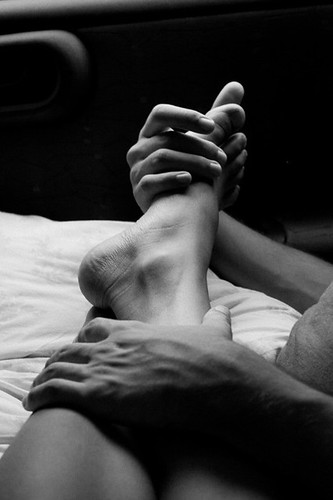
For many years, I have taken advantage of the opportunity to pamper myself with massages. I began during the days when I was a serious runner and was living with daily aches and pains. I found the right massage therapist who was able to work out the knots, stretch what was tight, and also provide a level of relaxation. I really view massage not so much as a pampering, but as a form of self-care.

As we get older, however, is massage still a good idea? The answer is “yes,” but there are certain factors to take into account to make sure it does not become a “no.”

The advantages of massage are many. As I found out, it can provide pain relief–even for chronic conditions such as arthritis, injuries, and overtraining. Many of us have more irregular sleep patterns as we get older, and massage can help improve the quality of our sleep. Older adults have many things to worry about and massage can be an ideal way to relieve stress and anxiety; human touch has a healing effect. It has been shown that it can even reduce blood pressure. One of the things that I focus on with my clients as well as my fitness class is stretching; massage can integrate stretching which leads to a better range of motion in the joints, tendons, and ligaments. Not surprisingly, massage improves blood circulation; this is especially important for those with diabetes, but is helpful for all of us. Finally, it can be an effective part of recovery treatment for stroke by increasing blood flow to areas that have been impacted.

What are the factors to take into account? Everyone reacts to massage differently. Some of us have a higher tolerance for pain than others. Some of us have more sensitive skin. If you have concerns, definitely discuss it with a doctor first.

A massage therapist should check in with you about whatever disabilities, chronic conditions, or pain you are experience before beginning. If s/he jumps in without checking those things, that is a red flag. Additionally, many of us may need a more gentle touch; as we age our skin gets thinner, and we do not want a level of pressure that is so strong that skin is abraded or even torn. Pressure should also be modulated to account for osteoporosis or other conditions. Often a massage therapy establishment will have someone on staff who is specially trained to work with older adults; find out who it is and see if that person might be the best fit for you.

Massage has been around for centuries. The advantages are indisputable. As we age, though, it is in our best interest to be more careful so as to avoid making things worse. Find a therapist who is patient, tolerant, and kind, and enjoy the benefits of a great massage!

What We Can Control

The Serenity Prayer is one that many of us have heard over the years. While for some it seems like nothing more than a greeting card sentiment, there is deep truth in its words.

We live in a world with no shortage of challenges. The adversity that we face is not just on a global scale, but can apply to our nation, our communities, and even our families.

There are huge things like hurricanes that we cannot change, so according to the prayer we must accept them; scientific research, however, shows that our climate is changing and weather is becoming more unpredictable and severe. Scientist point to many things that we can do–personally and on a grander scale–to alleviate the situation. This is where we run into the “wisdom to know the difference.” Sometimes we assume that we must accept things as they are (“it is what it is”), when change is possible; other times we judge that situations can be changed when they cannot. It does require wisdom.

Rabbi Harold Kushner’s famous book, When Bad Things Happen to Good People, addresses this very issue. His son was stricken with a terrible disease that took his life at a young age; this prompted Kushner to write the book. He notably did not call the book Why Bad Things… but rather When Bad Things…. He claims that we cannot understand why the world operates as it does–why the wicked often prosper, while the righteous suffer. All we can do is choose how to react when bad things happen. We must, he argues, be there to support each other.

This applies not just in a spiritual sense. As a personal trainer for older adults, I see clients with a variety of circumstances from dementia to Parkinson’s Disease to arthritis. None of them chose to have these ailments; none of them was deserving of their diagnoses. At the same time, none of them has given up on trying to maintain as much independence as possible. They have made a choice about how to respond to their circumstances. They may not be able to run a marathon any longer, but they can strive to be as fit as possible to enjoy life to its fullest.

The Serenity Prayer is not just sentimental tripe. It is actually a guide for us–not just in spiritual matters, but in our physical well-being as well. We all must decide what we can control and what is out of our hands. As for those things we cannot control, it is still up to us to choose how to react.

Doing Senior Expos

This past Thursday, I was an exhibitor at the Beachwood (OH) Senior Expo. The location was great–literally kitty-corner to where I live. It was the second Senior Expo I have participated in during 2024.

The expos generally have a room or two with vendors aimed at older adults. These include insurance companies, health care providers, senior living facilities, end-of-life organizations, home healthcare, and wellness companies. I was the only vendor providing fitness services at this expo.

I found a couple of interesting trends at this expo (some of which were shared with the one earlier in the year). First (it was on Halloween day) and that meant that most of the vendors had bowls of candy out; for some of the attendees, this was the big draw. I do have to question whether all that sugar is such a good idea for older adults; I did see one table handing out “healthier” treats and another with apples. I served nothing but I did have free pens! Second, more than half of the people with whom I spoke are actually involved in a regular exercise; Silver Sneakers and local community centers with fitness facilities are making a difference. This is a positive trend and it is good to see our government making it easier for residents to exercise. Third, I try not to be judgmental, but many of the folks who told me that they do not exercise at all seemed to be the ones who needed it the most; there was a lot of bad posture and weight management issues. There are also many people who exercise every now and again but do not have a consistent program. Fourth, there are a lot of really excellent, caring folks out there who are devoting their lives to help older adults; the networking group that sponsored the Expo has some fine folks who do the work they do not just for the salary, but because it is very meaningful to them.

In the end, I only got a couple of leads, but it never hurts to be out there getting the message to people who need to hear it. There will be more Expos in the future. There were about 200 attendees on Thursday; hopefully, we can reach even more seniors in the future.

Feeling Anxious

With so many concerning things going on in the world today–not to mention the upcoming US elections–a lot of people are feeling anxious. Older adults–although we may have wisdom and perspective–are not immune to anxiety. In fact, it is the #1 mental health disorder among adults over the age of 65, and only about 1 in 3 who suffer actually get treatment.

The Cedars-Sinai Blog, lays out some of the main points of anxiety and older adults. Everybody lives with some level of anxiety, but it becomes problematic when it begins to interfere with our regular activities. According to the American Psychiatic Association, “Anxiety is an emotion characterized by feelings of tension, worried thoughts, and physical changes like increased blood pressure.” As we age, there are many things that make us anxious: health challenges, loss of loved ones, changes in lifestyle (like after retirement), and concerns about family. Anxiety can be treated; when left untreated, though, it can raise the likelihood of disability, stroke, heart failure, autoimmune and heart diseases, and memory disorders (dementia).

According to Cedars-Sinai, anxiety manifests itself in many ways such as avoiding socializing, loss of appetite, insomnia, restlessness, and intrusive thoughts. In severe cases, anxiety can devolve into a panic attack which can lead to shortness of breath, feeling like choking, chest pains, heart palpitations, lightheadedness, numbness, and chills.

If you or a loved one may be suffering from anxiety, it is best to discuss it with a trusted medical professional. There are many treatment options available–and not all of them involve medications. Talk therapy is very helpful. A support system of family and friends can also aid in recovery. There is no need to suffer in silence; in fact, that will usually only make it worse.

The world provides an endless source of anxiety-inducing stimuli. All of us are equipped to face them differently. If you need help, there is no shame in seeking it. Not only is your mental well-being at stake, so is your physical health.

Older Adults and Grieving

Yesterday was a difficult day in the Jewish world. It marked one year since the terrorist attack in Israel by Hamas in which over 1200 inhabitants of Israel were murdered, hundreds kidnapped, and others abused and injured. Jews (and many others) around the world gathered yesterday to remember and reflect. There is little comfort as war rages on many fronts in Israel and Jew-hatred runs rampant across the globe. We are all grieving while trying to make sense of the aftermath.

Each of us grieves differently. There really is no right or wrong way. Forty years ago, I used to lead youth group educational trips to Poland and Israel to study about the Holocaust; after visiting the death camps, some of the teens were devastated and distraught, others were more resilient and stoic. Over more than 30 years as a rabbi, I have seen the full range of emotions in my many meetings with families after the death of a loved one.

Grieving is especially pertinent to older adults. The longer we live the more likely we are to lose loved ones. My personal fitness business, At Home Senior Fitness, works with individuals over the age of 55; I have experienced the loss of at least four clients in the last few years.

As older adults, we should understand that the grieving process is unique to each person. There is no timeline. There is no checklist of what mourning will look like–even if there are religious or cultural rituals to follow. There are ways, however, that we can make the process more meaningful and less debilitating. Spend time with friends and family; even if it is just a walk or a coffee, being with others helps to ease the loneliness. Understand that it may take longer than expected (or desired) to work through feelings or complete tasks involved with closing out an estate. Share with others what you are feeling; talking helps to sort things through. Sharing memories helps us to grieve and can also inspire and enlighten the person with whom you are speaking. Get help if you need it; if you are feeling overwhelmed, reach out to others who may be able to help with errands, meals, rides to doctors’ appointments, etc. Most people are more than happy to help. Finally, if you find that you are depressed or “stuck” and cannot do the daily activities of life, get in touch with a clergy person, therapist and/or a grief counseling group; they can help give meaning to your grief and share resources.

Death is a part of life. We hope and pray that those we care about will live long, happy, and health lives. We know, though, that the time will come when we will have to say goodbye–and we have no control over when or how that will happen. When the time comes, we must surround ourselves with people and resources that will help us to honor our departed loved ones while facilitating our moving on to life without them.

May there be peace, justice, comfort, and love in our world soon.

News About Arthritis and our Knees

CNN.com recently shared an article about new research on Osteoarthritis of the knee. It caught my attention because, as a personal trainer for older adults, one of the key complaints I hear about is knee pain. I also work with clients who have had knee replacements or other knee surgeries. This is not surprising since nearly 800,000 knee replacements are performed each year in the USA.

Osteoarthritis is a chronic disease that causes the cartilage of a joint to deteriorate; this leads to pain and stiffness and is especially seen in the hips, hands, lower back and knees. As we age, osteoarthritis can have a negative effect on our quality of life; depending on where it is found it can even influence our ability to remain independent.

The new research was published in the Journal of the American Medical Association and based on data from studies conducted in the Netherlands. The key finding is that the effects of the disease can be lessened or even eliminated by strengthening leg muscles. The research indicates that there is no link between a person’s total physical activity and the odds of their developing the disease. The subjects were then divided into two groups: those whose activity was non-weight bearing (like swimming and bicycling) and those who activity was weight bearing (like walking or running). The latter group was at greater risk for knee osteoarthritis–but only if they lacked sufficient lower limb strength. It has long been thought that one of the best ways to protect the knees is to build mass in the muscle groups around the knee. This research bears this out; the more muscle mass around the knee, the more it is “cushioned” from the forces that affect it through weight bearing movement.

This research reinforces the work of doctors and physical therapists who work with patients to strengthen the muscles around arthritic joints. While those who participate in non-weight bearing exercise have less cause for concern, it is important to know that runners and walkers have a strategy that can help ease pain, increase movement, and even prevent the need for joint replacement.

The Most Important Meal of the Day?

Did you know that it September is National Breakfast Month? We have been told for a long time that breakfast is the most important meal of the day; the reality is that every meal is important.

For the last few years, I have eaten the same breakfast almost every day: a half-cup (uncooked) of 1-Minute Oats with a tablespoon of brown sugar and a bit of cinammon. It takes little time to prepare and the calorie count is relatively low, and it has many nutritional benefits for older adults: it is high in fiber, iron, and magnesium, and is a good regulator of gut health. I also find it quite filling when it is all prepared.

Not everyone is a fan of oatmeal, though, so what are some other good options for breakfast? [Hint: it is not sugary cereals!] According to the National Institute on Aging (NIA), every meal should contain 25-30 grams of protein; good sources are eggs, nuts, greek yogurt, cottage cheese, and peanut butter. Breakfast should be lower in carbohydrates as this is thought to prevent or delay cognitive decline. Whole grains are also important and are easy to find in breads, oatmeal, and some cereals–just make sure they are not also loaded with lots of added sugar. Another part of a healthy diet for older adults is nutrient rich vegetables and fruits–berries are especially recommended.

The NIA suggests the following options as healthy breakfasts as we age: smoothie made with spinach, fruit, and yogurt; vegetable omelet with whole-grain toast; avocado breakfast bruschetta; banana split oatmeal; and eggs over kale and sweet potato grits.

Of course, there are many other options that can help us get our day off to a great start. Most importantly, put some thought into breakfast so that it is healthy and filling…and whatever you do, avoid skipping this meal altogether! Good morning and good breakfast!

Is Going Backward Ever OK?

Time Magazine recently featured an article that was brought to my attention by one of my alert clients. Angela Haupt discusses the benefits of walking backwards. You have probably seen some folks doing this on a treadmill and wondered whether it is effective or just plain silly. It might even remind you of an old Monty Python sketch. Does it really help? According to the article there are at least five distinct benefits.

  1. People of any age and fitness level can try it. It is especially effective for older adults because it helps to improve balance and coordination, which can in turn prevent falls.
  2. It works different muscles than the ones we typically use or works the ones we do use in a different way. Studies have shown that walking backwards can increase muscle strength.
  3. It has been shown to help those with injuries or pain. Walking backwards has long been a part of PT and OT strategies. Research has shown that it can reduce pain for those with arthritis in the knees, as well as alleviating the symptoms of plantar fasciitis and lower back pain.
  4. Backward walking can increase flexibility. We know that sitting all day (being sedentary) is an epidemic and can cause muscles to tighten up. Walking backward can stretch muscles and lead to greater flexibility and reduce the risk of injuries.
  5. It can improve gait. Physical therapists use this technique to help patients improve their gait patterns. It can assist with slight limps or range-of-motion issues. As mentioned above, it can help with balance control by forcing us to really focus on the way our muscles and joints are moving, as well as being aware of what is around us.

It is imperative to ensure safety when trying backward walking. Start slowly in an area that is free of hazards. Begin with just a few minutes a day and work toward more time and greater speed.

Typically, going backward is not seen as a positive. In this case, however, it can help us–especially older adults–to improve our health and fitness.

Help! I Need Somebody….

Many of us are familiar with the Beatles’ song “Help!” Not only is it a great tune, but the lyrics connect with so many of us. We have all been “down” and felt like we needed someone (not just anyone) to be ’round for us and help us get our feet back on the ground.

Since that song was released, however, there has been a societal shift in attitude. We are supposed to be strong and handle things on our own. Reaching out for assistance can be seen as a sign of weakness. Only more recently has the pendulum begun to swing back; we are once again being taught (in most, but not all, settings) that it is OK to need help. We can be vulnerable. It is a normal part of being a human.

In my interactions with many older adults, the question of when to seek help is ever-present. It is not just a matter of physical health, but mental well-being too. Older adults wonder when it is appropriate to seek medical attention, housekeeping services, psychological care, grief counseling, etc. How do you know when you need help?

For everyone this is highly personal. Some people are much more resilient…or stubborn. Here are some guidelines:

  1. Most importantly, if your ability to function in a regular way is impaired, it is time to seek help. Everyone has aches and pains. We also experience emotional ups and downs. If, though, they prevent us from carrying out the activities of daily living (getting dressed, eating, working, exercisings, etc.), it is time to reach out for help.
  2. If your mood has changed significantly and it lasts for two weeks, this is also a sign that something is going on. We all have days when we are bummed out. If we are depressed, down, or inconsolable for an extended period, it is time to seek assistance.
  3. If your sleep patterns change significantly–sleeping too much or unable to sleep–this can be a sign of a problem. On a related note, inability to concentrate or enjoy the things you usually do (hobbies, being with friends, work) is noteworthy and should be discussed with a professional.
  4. If you are engaging in behaviors that are risky, this is also a time to get assistance. If your behavior is affecting your work, studies, friendships, or if it could put you in legal trouble or physical danger, this an indication that you need help.

So where should you reach out for help? Friends and family that you trust are always a good first line of action. The people who love and care about you can help you see things more clearly and recommend strategies for improving the situation. Those strategies may include talking to a clergy-person, a primary care physician, or a therapist.

At one time or another, we all need some kind of help. It is nothing to be ashamed of. It does not show weakness. Rather, it shows that we are human. I hope this helps….

Is Hospice just “Giving Up?”

Working with older adults means that every once in a while a client of mine will become either too ill or frail to continue to work out with me. I have even had a few clients who have passed away; I blogged about this the first time it happened. The truth is that none of us will live forever; sometimes, however, we are fortunate to be able to “orchestrate” what the end will look like.

As a relatively young rabbi in Toledo, OH, I was invited by the local hospice to learn about what hospice is. In Judaism, it is taught that one of the greatest kindnesses that we can bestow upon a loved one is to choose for them a “beautiful death” (in Hebrew mitah yafah). What exactly does this mean? It means to provide someone with a death experience that is as dignified, peaceful, and pain-free as possible. At the workshop provided by the hospice in Toledo, I found that the hospice movement (intentionally or unintentionally) helps to fulfill the idea of a beautiful death.

What exactly is hospice care? Hospice care is a program that provides care, comfort, and quality of life for people who are near the end of their life and have stopped treatement to cure or control their disease. Hospice care focuses on treating the patient’s “total pain” which includes physical, emotional, social, and spiritual concerns. It also supports the patient’s family as they cope with the end of life and during bereavement. Years after that workshop, both of my parents were able to receive hospice care–my mother for Mesothelioma and my father for Parkinson’s Disease. In both cases, nine-and-a-half years apart, there were no further treatments that could make a difference; we focused instead on creating a quality of life rather than a quantity of life. What good, we reasoned, was it to stay alive longer if only in misery? For my mother, her passing was a meaningful experience over seven days with loved ones surrounding her. My father’s passing was different; none of his children was there, but he died before the situation got to a point that could have been much worse had it dragged on. None of us in the family–including my parents–really felt like we were giving up. We were making the best out of a situation that was clearly no longer in our control.

If you are looking for more information about hospice, a simple on-line search can tell you about organizations in your area. If you are part of a religious community, they may have their own hospice as well. Librarians can also be a great source of guidance.

The work that I do as a personal trainer for older adults is aimed at helping to improve the quality of life for my clients. As I said above, none of us lives forever. When the end is near (and sometimes not so near) there are still ways to help improve our quality of life. Hospice is not “giving up,” but rather continuing on the same path of living the best life possible for as long as we have. It is a way of choosing a “beautiful death.”