
I’m Not Gonna Waste My Shot

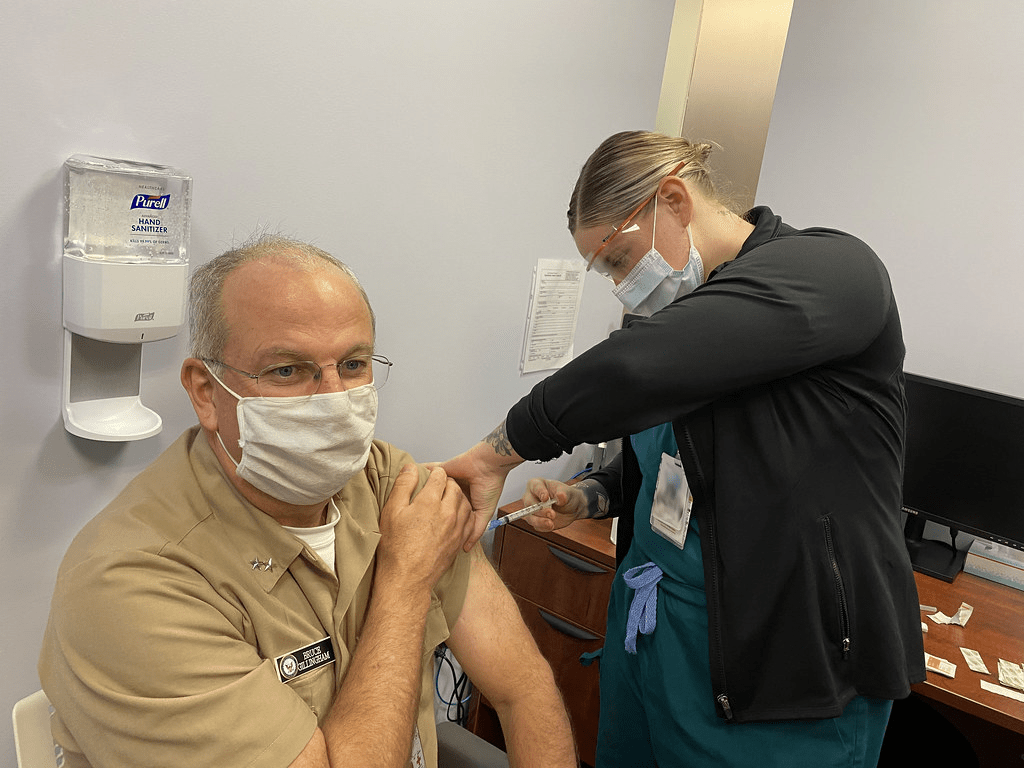
The last week in April of this year has been named World Immunization Week by the World Health Organization (WHO). According to the WHO’s website, “The global vaccine drives of the second half of the 20th century are one of humanity’s greatest achievements. Immunization campaigns have enabled us to eradicate smallpox, nearly defeat polio, and ensure more children survive and thrive than ever before.” Unfortunately, progress on immunizations has slipped in the last few years; according to the WHO, “Growing conflicts, economic downturns, and a rise in vaccine hesitancy are some of the threats to efforts to reach…children. As a result, the world is seeing sudden outbreaks of diphtheria and measles diseases that, until now, we’d had nearly in hand.”

When we think about vaccinations, we usually think about two things: babies and children, and the COVID-19 vaccines. Immunizations are not just for these two reasons. According to the Centers for Disease Control (CDC), there are vaccines that are especially important for older adults. Those aged 50-64 should be up to date on COVID-19, Flu, Shingles, and Tdap (Tetanus, Diptheria, and Whooping Cough). Others that might be recommended by a physician in this age cohort include Hepatitis B, MMR (Mumps, Measles, and Rubella), as well as RSV (Respiratory Syncytial Virus). Those older than 65 should add in the Pneumococcal vaccine. Depending on your lifestyle, there may be other important precautions to take; for example, last year I traveled to South America and the parts of Argentina and Brazil where I visited necessitated Yellow Fever and Malaria immunizations.

Some people worry that vaccines are dangerous. A report from the National Institutes of Health (NIH) last year concluded the following: “Vaccines play a crucial role in reducing mortality rates in the elderly by preventing severe infections and associated complications. Any vaccine-preventable infections, such as pneumonia, meningitis, and certain respiratory and bloodstream infections, are commonly associated with antibiotic use. By vaccinating older adults against these diseases, the incidence of infections can be reduced, thereby potentially decreasing the need for antibiotics and reducing the selection pressure for antibiotic-resistant bacteria. Older adults may be more susceptible to antibiotic-resistant infections due to factors such as weakened immune systems, higher rates of healthcare-associated infections, and more frequent antibiotic use. Despite these positive effects, vaccine resistance is observed specifically in the elderly population. Age-related changes in the immune system, the individual’s immune response, and the individual’s overall health status often limit vaccine efficacy. Certain medical conditions, such as immunodeficiency or chronic diseases, may impair the immune system’s ability to mount a robust response to vaccines. As a result, the level of protection provided by vaccines may be reduced in these individuals. Despite these factors, vaccination remains crucial for older adults as it can still provide significant benefits in terms of reducing the risk of severe illnesses, hospitalizations, and complications.”

In other words, the benefits outweigh the risks–especially as we age–since we are often less able to fight off infections. Even though the immunizations may be less effective due to a number of factors, the benefits are still there.

On a personal level, I did not get the immunization for shingles after I turned 50. My wife got shingles when she was 49. I saw how horrible it was and how much pain she was in. We both wondered how much older folks could possibly bear shingles, especially when you factor in other medical issues. The next day I made my appointment for my first shot. At my annual check-up, I make sure to review my immunizations with my doctor. I would rather be safe than sorry.

Observe World Immunization Week by checking with your health care providers. To paraphrase the musical, Hamilton, don’t waste your shot!

Why all the Talk about RSV?

My wife and I just returned from a one-week cruise in the Caribbean where I served as the cruise ship rabbi for Hanukkah. It was very relaxing and a lot of fun as well. Great weather too!

One of the things that I noticed on the cruise was a heightened sense of hygiene on the ship. When we sailed in Alaska in 2019 (pre-pandemic), there was an emphasis on washing hands to prevent RSV (Respiratory Syncytial Virus) which had become common on cruise ships. On this vessel, we were reminded to wash hands before every meal (“washy-washy!”) and there were hand sanitizer dispensers all over the ship. Very few people wore masks, except for those handling food.

So, did I bring back any souvenirs from our trip? Well, yes. RSV. Despite my washing, I managed to pick up the virus. A few days into the trip I started to feel a little sniffly, but I attributed it to the change in climate from the cold weather of Cleveland to the heat of the tropics. By the day we came home, I had a runny nose. On the flights home my ears popped and, five days later, they are still plugged up; do not worry, as I see an ENT later today.

What are some of the symptoms of RSV? They include fever, severe cough, wheezing, rapid breathing or difficulty breathing, and even a bluish color of the skin due to lack of oxygen (cyanosis). I experienced a sore throat as well but mostly displayed the runny nose and cough. I saw a doctor on Tuesday to see about my ears, and she recommended a COVID test (negative) and a RSV test (positive). I have been isolating at home–training clients via Zoom–and wearing a mask when I need to go out.

There is a new vaccine out for RSV for those over 60. According to the CDC, RSV sends as many as 160,000 people over the age of 65 to the hospital each year and results in about 10,000 deaths. For a virus that was most common in young children, the last 20 years has seen an impact equal to that of the flu in older adults according to Dr. William Shaffner of Vanderbilt University’s School of Medicine. Should all older adults get the RSV vaccine? Dr. Chad Nielsen of University of Florida Health in Jacksonville suggests that most healthy adults who are not immunocompromised and do not have other comorbities should be able to fight off RSV without a vaccine. Others should definitely talk with their physicians about whether the vaccine would be a good idea.

In the meantime, I will keep hydrated, get plenty of rest, and avoid cold, dry air; these are thought to help minimize the effects of the virus. Pain relievers and other over-the-counter symptom relievers are also on hand. 

It was a great cruise; perhaps on my next one I will just bring back a t-shirt instead!

Fitness After the Pandemic

Revolving door - Public Library

There is a light at the end of the tunnel and it is not attached to an oncoming freight train. Vaccinations for COVID-19 are proceeding apace, hospitalizations are down, and folks are beginning to sense a return to some kind of normality.

Many months ago when gyms re-opened after the initial shutdowns, I asked in this blog whether folks would really return to gyms. The numbers who came back in the late spring and summer were quite small; as a personal trainer, I was operating at about 40% of where I had been pre-pandemic. Trainers at other facilities with whom I spoke reported similar downturns in gym attendance. But now that there are vaccines and hopefully something approaching herd immunity, what will the future hold for gyms? An article published on http://www.cnbc.com back in July, 2020 shared the results of survey; the findings were that 59% of Americans were not planning to renew their gym memberships after the pandemic. I am sure there is more recent research, but I have not seen it. Anecdotally, most of my clients have stated that it is more convenient, cost-effective, and (perceived to be) safer to pivot to on-line training; they simply do not plan to go back to a gym at all.

Clients at At Home Senior Fitness have begun to ask what my plans will be when things open up more. My business model–which I began to develop when COVID-19 was unknown outside of the scientific community–was always to train folks in their own homes; I would bring the equipment, the expertise, and the fitness plan. The pandemic pushed me toward virtual training and that now accounts for about 95% of my business–both in one-on-one training and in remote group fitness classes. I certainly have no plans to train in a gym any longer; the overhead is so high that I would make a fraction of what I do as a self-employed personal trainer…and I am still able to remain competitive price-wise.

I do think that gyms will come back, but perhaps not to the same levels as before. Those facilities that succeed will be the ones that offer the cleanest, safest environment; even before the pandemic, we know that some gyms, their equipment, and locker rooms were not clean enough. They will also be the ones that are able to respond to what customers are looking for rather than adhering to outdated “take it or leave it” policies.

As for my business, I only see growth ahead. Pandemic or not, many older adults prefer the ease of staying at home. They do not have to worry about driving. Those that have mobility issues do not have to fret about the walk from the parking lot to the fitness center. At-home training means they will not be intimidated by the machinery (we keep it to dumbbells, resistance bands, and body weight exercises) or others in the gym prancing around showing off their physiques. It is the most comfortable setting to be in.

There is a place for gyms. For those who like the social experience and want access to lots of different equipment, there is no substitute. Still, the pandemic has shown many that there are alternatives to the typical gym that have their advantages too.

The main thing is that once the danger of COVID-19 has passed, people need to recommit to their health and fitness. Just because the pandemic ends does not mean that all of the sudden we are healthy. It just means that we have one less obstacle in our way and more choices for how to reach our goals.