
Exercise and Diabetes

When we think about November, most of us think about Thanksgiving, but it is also American Diabetes Month. I have blogged about Diabetes in the past, here are a few things we should all know about Diabetes and exercise.

Diabetes is a chronic disease where the body does not produce enough insulin or cannot properly use it, leading to high blood sugar levels.  This occurs because insulin, a hormone, is necessary for blood sugar (glucose) to enter cells for energy. Over time, consistently high blood sugar can cause serious health problems like heart disease, vision loss, and kidney disease. Generally, when we think of Diabetes, we think of controlling the disease through diet and medication (namely insulin). Major organizations such as the American Diabetes Association and the National Institutes of Health also recommend that regular exercise be a part of the plan for controlling blood glucose levels.

It is worth noting that many people with Diabetes (especially Type 2) have a number of other health issues such as obesity and being overly sedentary. The thought of starting an exercise regimen may seem daunting. After a diagnosis of Diabetes, there are so many changes to deal with: learning to inject medicine (in some cases), changing diet, monitoring blood levels, etc. How is it possible to add regular physical activity to that mix?

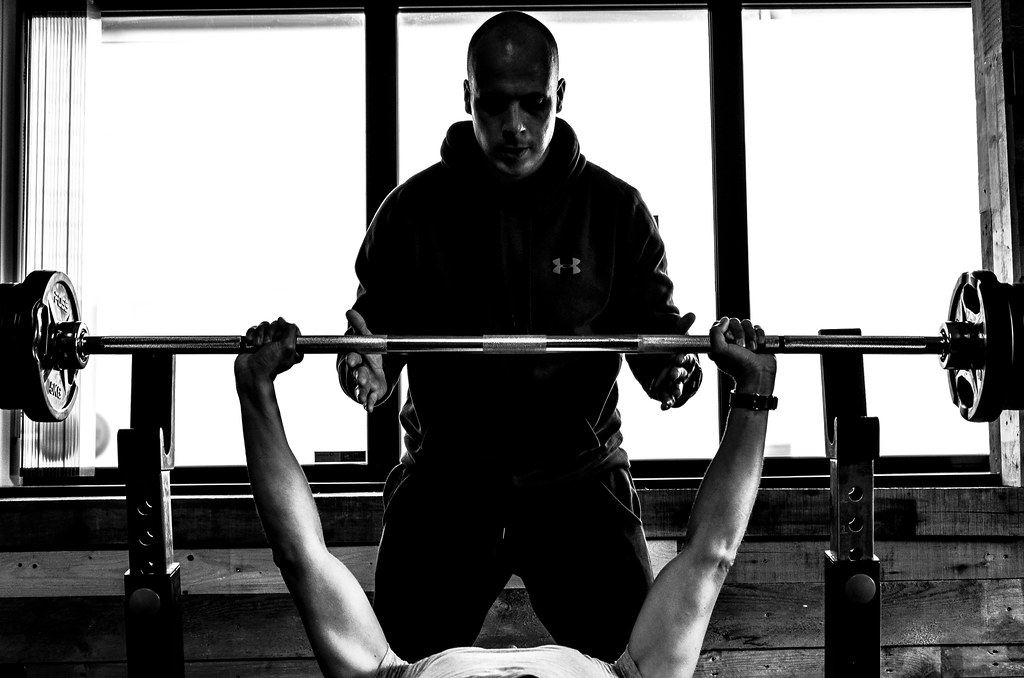
The American Diabetes Association recommends (and I echo this sentiment) beginning slowly. A journey of a thousand miles begins with a single step. It may not be feasible or desirable to immediately jump into a daily exercise routine. A primary care physician or endocrinologist should be consulted so that a person with Diabetes understands the effect that exercise can have–especially when it comes to glucose levels. An exercise professional such as a personal trainer can also assist in the process; it is important to choose one who either has certification for or extensive experience working with clients who are diabetic.

The diagnosis of a chronic disease is never easy. In many cases, though, there are choices that we can make to control the way the disease will affect our lives. One of the choices is incorporating regular exercise into our schedule. It may be scary and overwhelming at first, but with the right kind of help, we can have a big impact.

Best Exercises for Osteoporosis

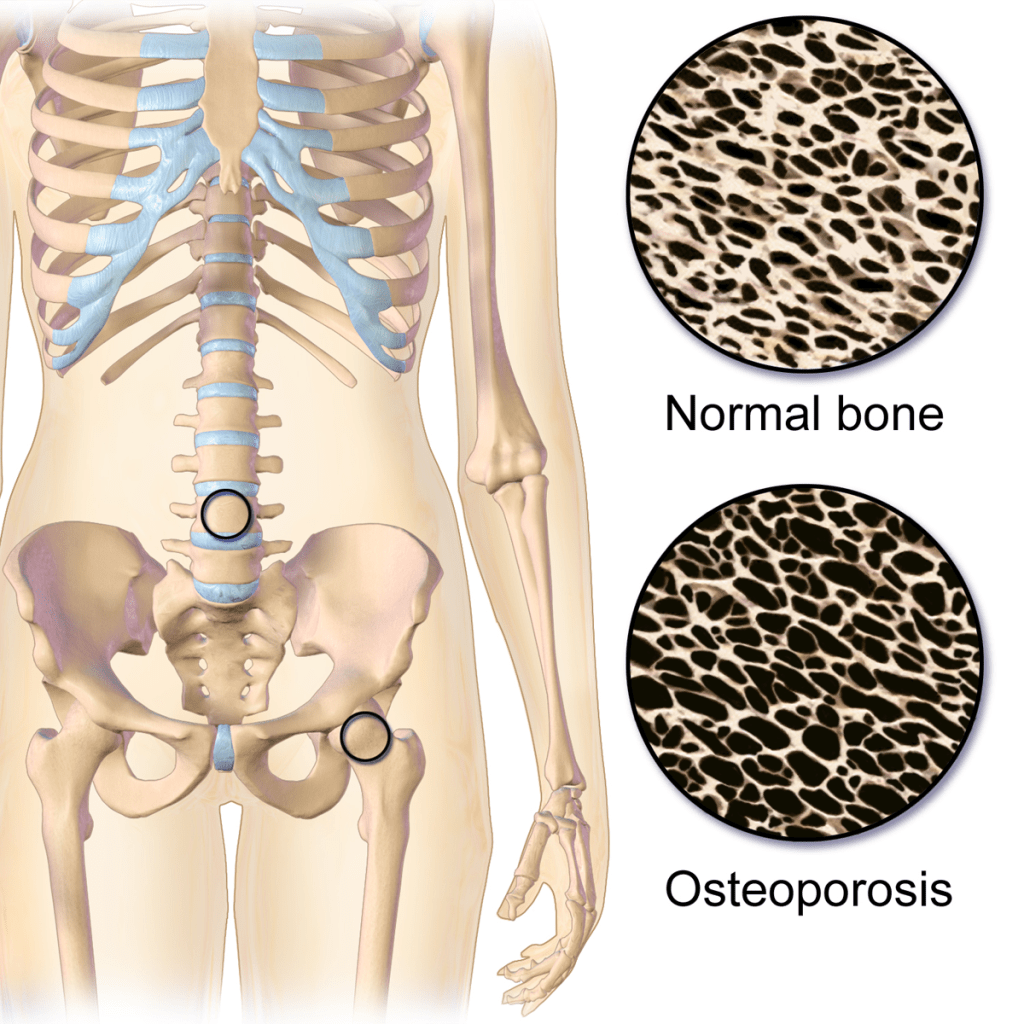
October 20 (yesterday) was World Osteoporosis Day. I blogged about Osteoporosis several years ago, but here is a quick refresher. It is a condition that weakens the bones and makes them more susceptible to injury and breakage. Although it mostly affects women, Osteoporosis can happen to men as well.

In my previous blog, I discussed the importance of weight training for those with this condition. As always, caution should be used in any exercise program and it is best to consult a medical professional before beginning. Although we have been accustomed to hearing that older people should not work with weights because they might hurt themselves or break a bone (which can happen), the opposite is the case with osteoporotic individuals. Putting controlled stress on the bones makes the stronger; working with weights does not just build muscle alone.

What are the best exercises to do for those with Osteoporosis?

According to the Cleveland Clinic, cardio exercises (that help to build heart and lung capacity) should have a weight-bearing element to them. Swimming and biking are not weight-bearing, so while they are good for the body, they will not strengthen bones. Walking, running, and dancing are examples of exercises that will affect the bone structure.

As for resistance training (using weights), the Cleveland Clinic suggests focusing on the parts of the body that are most likely to suffer a fracture: spine, hips, and wrists. As we age, many of us use lighter weights and do more reps (repetitions of the movement), but with Osteoporosis there must be enough weight/resistance to cause the bone to respond; this requires using heavier weights and doing less reps. It is important to work with a fitness or PT professional to determine the right weight, exercises, and number of reps to be most effective. Certain stretches are also important: back extensions, shoulder shrugs and rolls, knee raises, and flexing the ankle so that the toes come up toward the knees.

There are elements of diet and medications that can improve the condition, but certainly exercise is an important aspect of managing Osteoporosis. On World Osteoporosis Day, we raise awareness of the condition, the ways it can be treated, and the importance of continued research that will allow older adults to live longer, stronger, and healthier lives.

Training Clients with Dementia

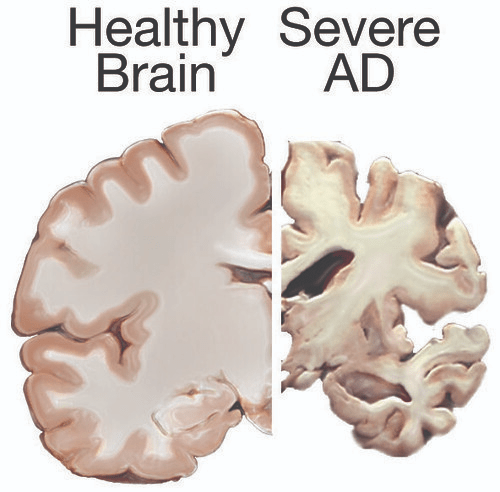
September is World Alzheimer’s Month; it is a time to raise awareness about Alzheimer’s disease, promote brain health, and support those affected by the condition. 

As part of my education to become a Personal Trainer, I had to learn about working with “special populations;” this can refer to youth, those with chronic diseases, and those with disabilities. After my certification as a trainer, I studied to become a Functional Aging Specialist. After obtaining that specialization, I was better prepared to work with older adults living with a wide variety of physical and cognitive conditions. I thought I knew all that I needed to know to work with people living with dementia.

Book-learning and seminars, however, are no substitute for hands-on experience. Over the last seven years, I have had the opportunity to work with several clients at various stages of Alzheimer’s Disease or other forms of cognitive decline. It is interesting and challenging work, and I have learned a lot.

There is a question, though, about what the benefit of such an exercise program might be. I have posted about this in the past, but it bears repeating as we work our way through World Alzheimer’s Month. The only non-medical way in which brain health can be improved is through exercise in conjunction with a proper diet and sufficient rest. The heart pumps and circulates nutrient rich blood to all parts of the body; when we exercise (especially cardio) that process speeds up and brings more nourishment to the cells, including those in the brain. Research shows that regular exercise can help to slow the progression of the disease.

There is another aspect though which should not be overlooked. For some of my clients with dementia, the time that I spend with them is an opportunity to engage socially with someone aside from family or caregivers. I always come prepared for a workout especially designed for the client and his/her capabilities; in that respect, they are no different than my other clients. What is different is the way the session may proceed. I usually need to demonstrate exercises several times–even after we just completed a set; this requires patience on my part, but I have gotten accustomed to this and it has changed the way that I cue all my clients for the better.

Related to this is that I must modulate the conversation that I have with my clients with dementia. Ask any of my clients and they will tell you that I love to chat during our sessions; it helps to engage the client and make the session appear to move more quickly–while still getting the same amount of work done. The kinds of questions I may ask clients with Alzheimer’s Disease and the topics we might discuss are different. In most cases, I cannot ask “how was your weekend?” as they may not remember. I can usually ask about things that happened many years ago (those memories are often preserved), but most of the time I focus on the present moment. I may talk about what is going on in my life or the weather or the local sports teams. I like to focus on the present moment and making the most out of it for my client–from an exercise and social standpoint.

World Alzheimer’s Month is a time to reflect on the way that this disease has affected so many individuals and families. It is a time to advocate for more research (rather than cuts in funding). It is also a month in which we can reach out to those around us with dementia and help to make their present moment just a little bit brighter. I am proud of my role as Personal Trainer in helping to make that a reality.

Choosing the Right Trainer for the Long Haul

A friend on Facebook who is close to my age was recently lamenting that she had a doctor who looked like he might have just graduated from high school–let alone medical school! I commented that this was fine with me since I want a doctor who will not retire in the near future; this already happened with my primary care physician a few years ago.

Older adults looking for a personal trainer may have similar concerns in their selection process. What factors should be considered when choosing a trainer who will be with you for the long haul? In some gyms there is a lot of turnover; this is less often the case when it is an independent trainer running his/her own business like I do. What should you look for when making the choice?

John Preston in a recent article for IDEA Fitness Journal researched two related topics: 1. Does education matter for personal trainers? In other words, does having a higher level of education affect the success of a trainer in his/her career? This is related to 2. Does the level of education help with client retention? Is a trainer more likely to hang on to clients for longer if s/he has a higher degree of education?

To cut to the chase, Preston’s research concludes that neither the level of education nor the number of certifications seem to be significantly associated with how much a trainer actually knows (based on a 24 question exam given to participants in the study). Furthermore trainer knowledge does not correlate to greater retention. Two factors were found to influence how long a client stays with a trainer. 1. Facilities with less than 1000 square feet (usually an independent gym) and those with over 30,000 square feet (mega-gyms) had the highest level of retention. In the smallest gyms (or a business like mine where we come to a client’s home) there is more likely to be a personal attachment and loyalty to the gym and the trainer; in a mega-gym, there are usually many other perks such as lots of equipment, many classes, a swimming pool, upgraded locker rooms, etc., that make it worthwhile for members (usually wealthier) to stick around. 2. The longer a trainer has been in the industry, the more likely they are to retain clients; those with10+ years have the highest retention rates. Interestingly, the veteran trainers also have the highest level of knowledge; this may be due to the requirement for continuing education as well as a greater commitment to their career. For comparison, most of the trainers in the study had only been in the industry 3-5 years.

What does this mean for older adults looking for a trainer who will not abandon a client? The more experienced s/he is the likelier they will be around in the long-term. Additionally, your search might best begin in a very small or very large gym.

Why is the long-term relationship important? As with doctors (hair stylists, dentists, etc.), we depend on those who give us services to understand us and be committed to our welfare. We appreciate the relationship. We feel like we are getting value for the money we spend. The longer we work with a trainer, the more likely we are to meet–and exceed–our fitness goals.

The Economy and your Health/Fitness

Over the past several weeks we have heard a lot about how changes in the US economy have affected the job market, peoples’ willingness to make purchases, and retirement accounts. On-and-off-again tariffs and trade wars have impacted a large swath of the American public. These changes have hit the fitness industry as well–even my own company, At Home Senior Fitness.

Last week, I had a client email me that she was going to need to take a break from training for a while. She is retired and relies on her retirement accounts to pay for her expenses, including working out with me twice weekly for the last 5+ years. Her accounts took a bad hit as the stock market lost value and she is concerned that her money may not last as long as she thought; this called for some tough decisions, and dropping my services was one of them. While it is my hope that the economy will improve, I do not know if I have lost a client for a short while or for good. This obviously impacts me as well–especially since the majority of my clients are retired and on fixed incomes.

A couple of years ago, I blogged about a related topic. Many people view belonging to a gym or using the services of a fitness professional to be a luxury. The reality is that money put toward health and fitness should not really be considered discretionary; without good health and the ability remain active and independent, what good are the financial savings? In the long run, it is much less expensive to keep in shape than it is to become sedentary. It is not unlike doing maintenance on a car; if you keep to a regular schedule it will cost money–but much less than repairs later on as a result of neglect.

I know that these are tough times for many. I am fortunate to have lost only one client (and hopefully only temporarily). Short-term decisions about saving money, however, may end up having long-term implications. Let’s not lose sight of our priorities.

Recalculating…

This is the last installment of what I learned at the IDEA / ACSM Health & Fitness Summit in Denver. The last session that I took was about making modifications in exercises to avoid pain for clients and class participants with joint or muscle issues. Since I deal exclusively with older adults, almost all of my clients have at some time or other needed modifications to the exercises we do so I was looking forward to brushing up on my skills and knowledge.

There are lots of exercises. There are also lots of muscles and joints. There is rarely one single exercise that will benefit a certain part of the body. For instance, the triceps can be worked in a number of ways: bench triceps extensions, overhead triceps extensions, cable push-downs, triceps dips, push-ups, triceps kickbacks, etc. If doing one of them causes pain, that does not necessarily mean that it is impossible to train the triceps; on the contrary, there are almost always other forms of the exercise that do not create discomfort. Additionally, there are ways to adjust the amount of weight, the speed of the exercise, or the number of sets to achieve the same goal without pain.

I have to be honest that I out of the four courses I took, this was the one that I found least helpful to me. There was more technical jargon than necessary (presenters do not need to call it the glenohumeral joint; among professionals there is no need to show off–just call it the shoulder) and, frankly, my work over the past 7 years has required me to come up with all kinds of adjustments to the exercises we do one-on-one and in a group setting. One of the things I enjoy the most in my on-line group fitness class is seeing the variations of movement on the screen among the participants based on their abilities; they have learned how to achieve the same goal in a different way. It is a win-win.

Even so, I did pick up a few new “tricks.” I also think it is important for trainers who do not necessarily work with special populations to understand that not everyone comes to a personal trainer to become an elite athlete. Many are looking to maintain strength, agility, balance, and independence; the path for older adults and those with disabilities looks very different from the one followed by a 19-year-old basketball player.

The human body is a wonder. We all have certain assets and liabilities in our physical fitness. It is reassuring to know that in almost any condition there are ways to build better fitness. We just need to be flexible and recalculate how to keep it pain-free.

Training People with Parkinson’s Disease

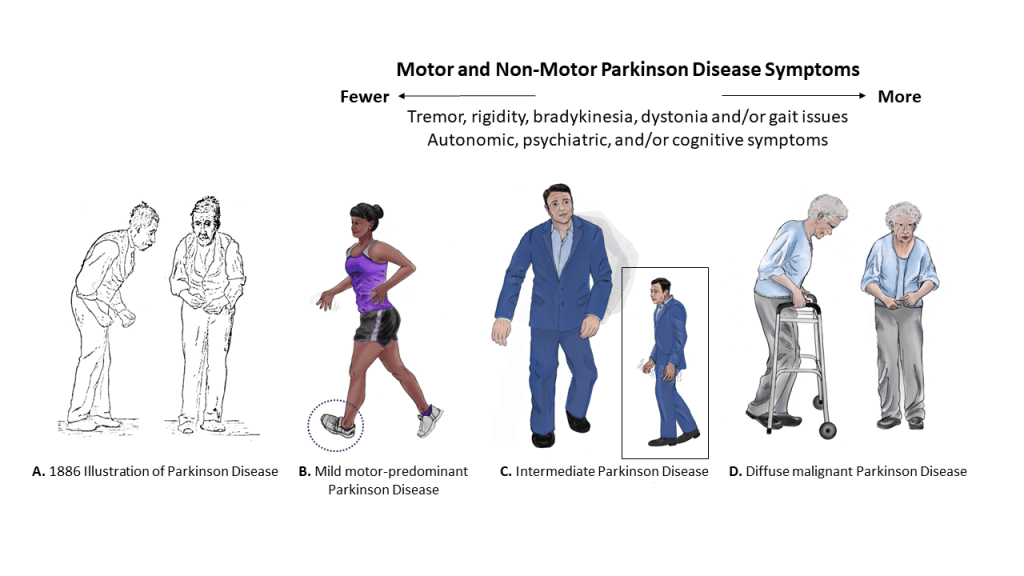
In my next installment of “What I Learned at the IDEA / ACSM Health & Fitness Summit in Denver,” let’s talk about Parkinson’s Disease (PD). This is an issue that is near and dear to me. My father (of blessed memory) had Parkinson’s Disease and I have a client living with it as well. Most of us know someone who lived or lives with it–most notably, the actor Michael J. Fox.

While at the conference, I signed up for a session aimed at trainers who might be working or interested in working with someone living with PD. The session had three speakers: one from the Parkinson’s Foundation, one who is a researcher on PD, and a third who trains people with PD. A young woman with early onset PD was also there to talk about her own experience and to serve as a “client” for the demonstrations. It was an excellent program giving us a mix of information about the disease, how to work with it, and how to find more resources. The most important thing I learned, though, was just how effective exercise can be in delaying the progress of the disease; it is truly remarkable.

One of the ideas that what was stressed to us was to get in touch with local resources for more guidance and education. There are on-line resources and certification programs that are available too. I am accustomed to training with what are called “special populations” in my work with older adults; I have special certification that has taught me the best practices for training this group. Just as I would not train a 70- or 80-year-old in the same way as a student athlete, individuals with PD require a different approach. I knew a tiny bit more than when I went to Denver, but I was inspired to dig a little deeper.

I contacted my local Parkinson’s Foundation and the next day they called me to let me know that one of the best (if not THE best) resources in the United States was located about two miles from my home; they encouraged me to contact InMotion, a free community-based program for people with PD. I called InMotion and got a return call very soon afterward from the co-founder and Chief Program Officer, Ben Rossi. It turns out that we have similar backgrounds although he has been in the fitness industry much longer than I. He invited me to come see the place; this surprised me a little bit since my company, At Home Senior Fitness, could be seen as competition.

Today I visited what I would say is one of the most impressive facilities I have seen in a long time. InMotion has fitness facilities, group therapy, individual therapy, and classes that cater to the entire person. I sat with Ben for a while and discussed my interest and got some great advice about where to go next. It turns out that we really are not in competition; the truth is they are much better at working with people with PD than I will probably ever be. What I can do is help to provide a continuum of treatment for my clients and partner with this organization.

I will do some more digging in the weeks ahead and see if there is a certification program that makes sense for me and my business. In the meantime, it is heartening to know that there are amazing professional, volunteers, and supporters who make this place a hub of activity and healing. It is a resource for those with PD and for those of us who care about and for them.

Is Your Trainer still Certified?

I just returned from the Health & Fitness Summit in Denver. This is the fifth conference sponsored or co-sponsored by IDEA that I have attended. IDEA is an educational organization that provides on-line courses and in-person events that allow fitness professionals to stay up-to-date on the newest research and trends in the industry, as well as to work toward new areas of expertise. Aside from gathering with our fellow trainers, for many of us, it is an opportunity to obtain the all-important Continuing Education Credits that we need to keep our certification(s).

Just as attorneys and doctors have to keep learning after they finish their formal school training, fitness professionals are required to participate in continuing education. It varies for each certifying agency, but usually is around 10-20 hours of study per year. I have two certifications and they require 10 credits per year; luckily, I can use the same course for both accreditations.

Why is this important? No one wants an attorney who is not up on the latest changes in the laws where they practice; there is perhaps nothing worse than paying big bucks to get out-of-date or otherwise incorrect legal advice. The same is true of doctors; would you want a procedure that was standard in the 1960s or do you want the latest techniques that offer the greatest chance for success with the least difficult recovery? Research about human physiology and exercise continues on a regular basis–although some of it is in jeopardy based on current threats to funding of the NIH and CDC. What trainers thought was best for older adults and clients with chronic illnesses such as Parkinson’s, Diabetes, or cognitive decline in the past is not necessarily what is recommended today. Every year, when I attend these conferences–as well as when I do on-line courses–I learn more about how to best get my clients the results they desire while keeping them safe and injury-free. CECs are not just what I need to keep my certification current; they are what keeps me at the top of my game and of value to my clients. If your trainer has let their certification lapse, it is not just a formality; it means you may be getting inferior services.

In the next blog posts, I will discuss some of what I learned this year. I will share some of the latest research–which I can do because I take my continuing education seriously.

Dental Health & Physical Fitness

Earlier today I went to the dentist for the final step of having a crown replaced–unfortunately, not the kind worn by royalty! As the dentist was making sure the crown fit perfectly, I wondered just how much dental health impacts physical fitness and vice-versa.

When I was studying for my personal training certification, I remember briefly learning about overall physical health (including oral) as part of the big picture. We were taught that having good oral hygiene was not only beneficial for teeth and gums, but also for overall wellness.

Some of the key connections are:

  1. Brushing and flossing regularly prevent cavities, gum disease, and bad breath. Having a “fresh” mouth (not the kind that gets you in trouble) is important during exercise. Besides, who wants to work out with someone whose breath could knock over a horse?
  2. Having healthy teeth and gums are necessary for eating the proper foods to promote fitness. Certain foods can help with this (leafy greens, fruits, dairy), while others are harmful (sugary snacks and drinks). If your teeth and gums are unhealthy, the proper diet will suffer.
  3. When we exercise it is important to keep well-hydrated. Drinking plenty of fluids can help wash away food particles reducing the odds of developing plaque and gum disease. It also can help produce healthy saliva to protect tooth enamel.
  4. Chewing (and jaw exercises) help maintain stronger bite and jaw muscles. When we exercise we often think of the building of muscles like biceps, calves, pectorals, and abs, but what would happen if the muscles we use in the eating process got so weak that we could not eat on our own?
  5. Avoid bad habits like consuming too many sugary drinks, excessive alcohol, and smoking. They increase the risk of damage to teeth and gums…and can cause bad breath! They are counterproductive to our fitness as well.
  6. Just like our physical fitness routines work best when done on a regular basis, have a regular habit of visiting the dentist for check-ups and cleanings. Dentists can spot little problems before they become serious; they now even check for different forms of oral cancers.

Other benefits of exercise are a stronger immune system which can fight infections (including those of the mouth) and other oral health issues. Working out can reduce stress, which can in turn lead to reduced teeth-grinding and jaw-clenching; these take a real toll on dental health.

Make it a regular habit–just like exercising–and you will find that improved oral health will lead to improved overall health and fitness. On the flipside, exercising regularly can help ensure that our teeth and gums will be there for as long as we need them.

“Getting Back on the Horse”

Today was my first day without any physical restrictions after having a surgical procedure four weeks ago; luckily, I am fully recovered and the procedure was successful. This was not the case six weeks ago; I had actually undergone the same procedure in mid-November and was not given the clearest guidelines for what recovery should look like. As a result, the procedure was not successful and I had a second go-around at the end of December. The second time, before surgery I was told to plan on 7-10 days without strenuous activity, but at the 7-day mark the nurse practitioner told me since I was a “repeat offender,” I should count on four weeks instead! Not fun for a personal trainer and someone who likes to stay active. I did not, however, want to undergo the procedure a third time so I took an entire week off of work after surgery and did not exercise for three weeks afterwards–although walking was encouraged.

I did blog about my recovery from foot surgery a few years ago. In that post, I shared five important pieces of advice for “getting back on the horse.” 1. Listen to your doctor, but also listen to your body. (I knew within a few days that the procedure in November had not worked even when I was told to give it some more time.) 2. Go slow; after an absence from the gym, do not just jump in where you left off but ease back into it carefully. 3. Set goals and have a plan for how to get there; having this written out clearly will facilitate a safe return to exercise. 4. Do not get impatient or give up; everyone’s recovery time is different and it may take longer than expected or desired. 5. Do some research; the more you know about the recovery before the procedure, the more realistic you will be going into it.

This afternoon when I taught my on-line fitness class, I participated in the workout instead of just sitting in a chair and giving instructions. I planned a workout I knew I could handle and…so far, so good. Many people do ask, though, how much “damage” or regression occurs when we do not exercise…and how soon does it happen?

Cardiovascular capacity can be decreased within just a couple of weeks–even more quickly for those who are endurance athletes like long-distance runners or cyclists. Muscle strength that is recruited during resistance training begins to suffer after about 3-4 weeks. These are just estimates and the actual amount of time will vary due to the level of fitness before the break, how active a person remained during the break (bed-bound vs. walking), and the cause of the recess. Obviously, a person who has joint replacement may take much longer to recover fully as opposed to a person who has an appendectomy. Each person is different so, as noted above, listen to your body.

I am grateful to my doctor and the nurses for getting me hale and hearty. I am thankful that they were extra-demanding of me the second time around. It made the difference in a complete recovery–even if I was starting to get restless.

After a fitness break–due to health reasons, travel, etc.–it will take time to get back on that horse…but get back on that horse we must. The more we take care of ourselves, the less likely we will need to take those medical breaks in the first place.