
I Got Your Back

Most of us have probably had that conversation at some time where someone begins talking about a problem with their back while throwing out seeming random letters and numbers: “L5!” “C2!” “T11!” At any moment you almost expect someone to yell “Bingo!” What do these letters and numbers mean?

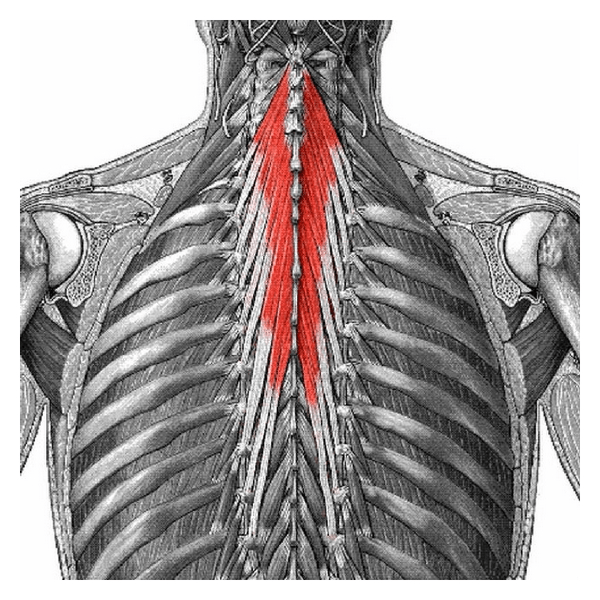
There are a total of number of bones in stacked together in the back is 33. They are divided into a number of different categories based on their location on the spine. The topmost part is called the cervical spine; it has 7 bones that serve to support the skull and help with a variety of movements. The 7 bones are numbered from top to bottom; C=cervical, so it is C1, C2, C3, and so on. The middle part of the back is the thoracic spine; it has 12 bones and connects to the ribs while providing stability. The 12 bones are numbered from top to bottom; T=Thoracic, so it is T1, T2, T3, and so on. Next is the lumbar spine with 5 bones; they are the largest of the vertebrae and help to support much of our weight. They are also numbered from top to bottom: L1, L2, etc. Below this is the sacrum with 5 fused bones that connect the pelvis to the back. Finally, the coccyx is at the very bottom with 4 fused bones (although sometimes there are 3 or 5) that provide attachment points for pelvic floor muscles.

This seems like a lot of information, but the most important part to remember is that there are three main sections each with their own purpose, and two sets of fused vertebrae at the bottom that also have their own role. All of these bones are supported by muscles that provide stability; they are called intrinsic muscles. There are also extrinsic muscles that sit on the back but whose jobs are to control the arms and shoulders.

It is important to maintain the strength and flexibility of each part of the spine. The most important exercise for cervical spine health is the chin tuck, which I have blogged about in the past; looking over your shoulders in each direction is also a great exercise. For the thoracic spine, try foam roller extensions, standing torso rotations, and side-lying (open-book) rotations. For the cervical spine, the best exercise include cat/cows, glute bridges, child’s pose, and bird-dogs. Of course, if you have an injury or other concerns, consult with a medical professional so as not to do damage to this most important part of our bodies.

In the future, I will talk more about our backs, but the terminology seems so intimidating that I felt it important to demystify what we talk about when we throw out those Bingo-sounding letters and numbers.
Thrown Your Back Out?

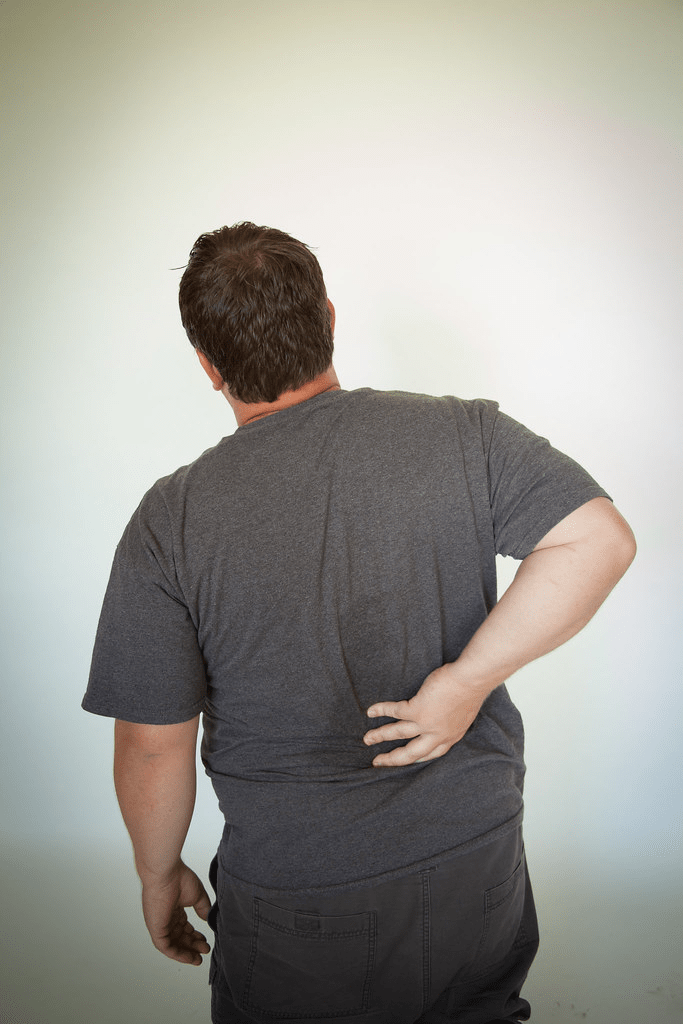
There I was, minding my own business on Saturday night, pulling down a shade on the back window, when I “threw my back out.” At the exact moment it happened, it took my breath away and the pain was intense. How did this happen? I had just pulled down two other shades–as I do every night when it gets dark–without incident. What actually occurred?

What exactly is throwing out one’s back? It is the acute onset of low back pain (in the lumbar spine). It can be caused by a number of things: muscle spasm, arthritis, a slipped or ruptured disk, or sometimes for no reason at all (like closing a shade!). Most of the time the condition is temporary, lasting only a few days or weeks. If it lasts longer, it is worth consulting a medical professional as it could be something more serious like a muscle tear, herniated disk, or even a kidney stone.

This is–as they say–not my first rodeo. As someone who is very physically active, this happens every couple of years or so; most of the time it is a result of something silly like this time. My rule of thumb is that if the pain and lack of mobility in my back do not resolve in a few days, I contact my doctor. That happened only once and I was refered to a chiropractor; it took a couple of visits, along with some exercises to finally get back to normal.

Here are some things that can help with a back that has been thrown out:

  1. Treat the pain. Ibuprofen and Naproxen work well to reduce swelling; if you cannot use non-steroidal anti-inflammatory drugs (NSAIDs), use acetamenophin (Tylenol). Pain patches can help as well. Always follow label instructions carefully.
  2. Apply cold. I usually use a cold pack wrapped in a towel and find it brings relief.
  3. Apply heat. Many people swear by this because they feel the cold causes the muscles to contract and cause more discomfort.
  4. Apply cold and heat interchangeably. It works for some people!
  5. Exercise. The common practice used to be to immobilize the back; the latest research indicates that exercise and stretching can shorten the time it takes to recover. It is best not to overdo it while working out (I have been using lighter dumbbells than usual), but the activity can prevent the muscles from stiffening up further. Certain stretches can help as well: Cat/Cows, Cobra Pose, Child’s Pose, Windshield Wipers (keeping feet on the ground), Supine Knee-Ins, and Pelvic Tilts.
  6. Rest. While your body recovers, it uses a lot of energy; be sure to give your body the chance to recharge.

It is Tuesday, and each day I feel better. Interestingly, many of the same exercises and stretches that I use with my clients who have chronic lower back pain are the same ones I am using now. Hopefully, I will feel myself again in a day or two. If not, I will contact my doctor.

In the meantime, is it a problem to leave the shades up at night?