As many of you know, I was asked to be a regular columnist for Northeast Ohio Boomer magazine last year. Each issue I wrote about a different issue related to exercise/fitness and older adults. The magazine also hosts a number of blogs and has a podcast as well for which I was interviewed. If you’d like to hear my voice and my thoughts about fitness, click here. The podcast is about 20 minutes long.
Many of us are familiar with the line from The Godfather, “Leave the gun, take the cannoli.” Research from JAMA Network Open, a publication of the American Medical Association (AMA), says we should think about leaving the cannoli as well.
The investigation found that the number of adults in the USA over the age of 65 with poor diet quality increased 10% from 2001-2018; the percentage rose from 51% to 61%–both of which are alarming. The percentage in the same demographic whose diet was considered “ideal” in the study was 0.4%–that’s just 4 in 1000! This may help to explain why so many adults are living with diet-related diseases.
What is to blame? Older adults are eating more processed meats, sugar-sweetened drinks, and foods with high salt content. Intake of healthier foods like fruits, vegetables, fish and whole grains has gone down. This is a trend nearly 20 years in the making, but the AMA hopes that by raising awareness it will be possible to reverse the trend.
The issue transcends older adults. Healthier foods are often more expensive and less readily available than processed foods and junk food. Restaurant food can vary widely from more healthy items to those that are downright artery-clogging. As adults age and are less able to prepare food for themselves–or less willing to do so–the choices become less and less healthful. Throughout many age groups this has contributed to the obesity epidemic in our country.
Older adults are living longer than in past generations. The question is whether those added years will be quality years or ones filled with poor health. A big part of the answer has to do with our diet. Improved eating habits can lead to better health outcomes and quality of life. The choice is ours.
Some weird stuff has been happening lately; the kind of stuff that makes me think I might be losing my mind. I am already a regular player of my favorite game: “What did I come into this room for?” but this has gone a little further. I will leave out the details, but it was enough to warrant my discussing it with my primary care physician at my annual physical; he said that I should see if the symptoms clear up in the next three months because it could be an affer-effect of COVID and would probably dissipate by then. If not, I was to be in touch.
The weirdness continued and some fogginess and spaciness (more than usual!) persisted so I sent a message to my PCP. Within a few days I had a video call with the Nurse Practitioner who agreed that this was probably some form of Long COVID. Long COVID is when symptoms persist even after testing negative, or new/different symptoms arise; the issues can go from mildly annoying to disabling. I had a relatively mild case, so this was surprising to me; she assured me that they have been hearing from lots of patients with similar complaints. I was refered to the Cleveland Clinic’s ReCOVery Program–it is great to have a world-class medical center nearby! Today I met with a practitioner there and was reassured that it was not Alzheimer’s but fairly classic symptoms of one kind of Long COVID.
The next steps are some lab tests, meeting with someone at the Integrative Medicine program, and meeting with a Speech Therapist. Speech Therapist?!? That is what I thought too! It turns out they do a lot more than work with speech disorders; they also have training in memory, organization, and task-completion issues. I am eager to see what help they can provide me.
Why do I share something so personal? I think that there are probably others who are experiencing what I am, and are just as worried that it might be something much more serious. Rather than fretting alone, it is worthwhile to reach out to a medical professional to see if there is help out there. I am glad that I will be getting help for my brain fog, but even more grateful that the evaluation done leading up to today’s appointment confirmed that I do not have early onset dementia. It was worth just to have that sense of relief.
Are you worried about brain fog, spaciness, confusion, forgetfulness? Did you have COVID? Talk to your doctor!
I have blogged several times in the past about the health benefits of being grateful. Our general outlook on life (positive or negative) can have a profound effect on our health and wellbeing.
In the spirit of the holiday, and in the interest of good health, I would like to briefly reflect on those things for which I am thankful this year at Thanksgiving. Of course, I am grateful for my health, my family, my friends, and my general welfare, but I want to discuss a few more obscure blessings in my life.
I am truly grateful for the clients in my personal training business, At Home Senior Fitness. I am truly fortunate to have a great group of clients–not just because they help me pay the bills, but also because I have been able to build great relationships with most of them. I have shared meals with clients, visited them in the hospital, and seen them through joyous occasions and times of loss as well. They have also seen me through ups and downs. I really do care about my clients and that care and concern is returned in spades.
I am grateful for the personal trainers that I had as a client. I always enjoyed the workouts and the results, but did not realize what a huge effect they had on me, pushing me to always do more and better. This has influenced the way that I train my clients as well. I also learned from them the importance of relationships as well as building and maintaining trust.
I am thankful that I have a network that has helped me build my business. Sam Kalamasz, who is working with me, has been a great resource and is committed to helping me grow my client base. ACE (through whom I maintain my certification as a personal trainer) has been helpful and informative. FAI (through whom I have my specialization to work with older adults) continues to enrich my skills. IDEAfit is the main source of my continuing education credits; their on-line resources and conferences are pretty top notch. SCORE (Service Corps of Retired Executives) is also an invaluable tool; they exist in most cities and helped me get organized as I launched my business. I definitely could not have done this all on my own and these organizations have been vital.
As we approach Thanksgiving, I encourage all of us to go beyond the “typical” things we are grateful for and consider some of the other factors that have helped us get where we are. The next step, then, is to try to be the person that others are grateful to have in their lives.
Best wishes to all for a happy and fit Thanksgiving!
Today marks two years that I am working on my own as a Personal Trainer. November 15, 2020 was my last day employed at the local JCC. Last year I blogged about my thoughts on the one year anniversary; and it was an interesting read.
I wrote “sort of” in the title because I am not exacly all on my own any longer. The addition of Sam Kalamasz to my team means that I have someone who is helping me expand my territory and business. Sam will begin offering on-line classes aimed at a more beginner/intermediate level; my fitness classes are more on the challenging side. Once we get one class up and running, we will expand the offerings further. These classes will be offered virtually, so if you are interested or know others who would be, please contact me at michael@athomeseniorfitness.net.
There are still many opportunities out there. I would like to get into the digital realm and hope that 2023 will be the year that happens. I will be in need of more help the east side of Cleveland soon as I have potential clients whom I have turned away. I am also eager to find ways to partner with others who serve older adults. It is all looking up.
It is important to mark milestones like these. It is a time for reflection–looking back and looking forward. For now, as we are about to head into the Thanksgiving holiday, I am grateful for all the help and support.
As I studied to become a personal trainer, one of the concepts that I learned about was self-efficacy in exercise. Self-efficacy is the belief that one is capable of completing a task–in this case, exercising. The reason why it is important is that when we believe that we can exercise–in spite of impediments such as a busy schedule, being tired, feeling intimidated at the gym, etc.–we are more likely to actually carry out the physical activity. It sounds somewhat self-evident, but the issue is a little bit complicated.
It is not unusual for me when I am working with clients to hear them say something like, “Oh, I can’t do that,” or “I have never been able to do that before.” It is up to me to safely push them out of their comfort zones. Once they realize that they are capable of doing what I am directing, it builds up their confidence. Later on, I can refer to that success when confronting a new or challenging exercise; I may say, “Remember how you thought you could not balance on one foot for 10 seconds and you could? I bet you are also capable of doing reverse lunges that also involve an element of balance.” Each success builds on the other creating higher levels of self-efficacy.
The concept of self-efficacy goes beyond just exercise, and is particularly important for older adults. The scope widens to include a belief that we are able to influence the events in our lives. As we age, we often sense that we are losing control as our bodies do not function as they once did, and cognition declines. The greater our self-efficacy, the more likely we are to engage in the kinds of activities and practices that will help us to live longer and better. In other words, if we experience greater challenges carrying out activities of daily living, we may reach the conclusion that life will just be a long decline, so there is no reason to “bother” doing anything to improve our levels of health and fitness; on the other hand, if we feel like we can influence our health and fitness, we will act upon that. In both cases, it can create a self-fulfilling prophesy. This is why self-efficacy is so important for older adults.
How to start? Sometimes we have long-standing feelings of inadequacy; confronting those beliefs is difficult and may require help from a mental health professional. If, in general, we do feel adequate (or even proficient) in life, it becomes a matter of continually challenging ourselves to do more. This is why many older adults are attracted to fitness classes or personal trainers where clear directions are given with appropriate progression from easier tasks to more difficult ones. It lessens the likelihood that we will go easy on ourselves or convince ourselves that we simply are not capable.
As I have grown older, I have come to realize that there are certain things that I may longer be able to do. At the same time, there are other activities where I have doubted my ability and come through with flying colors. I would not say that it is all in our heads, but belief in our ability to influence the direction of our lives can have deep and long-lasting positive outcomes.
It has been clearly shown that living a healthy lifestyle (eating properly, exercising, and getting rest) can lower the odds of getting certain diseases. It can also contribute to greater brain health and longevity. These are all important data points, and they become all the more crucial as we grow older.
As we age, we know that there are many changes to our bodies; we can notice transformations in our appearance (wrinkles and graying or disappearing hair). There are changes in our cardiovascular system, in the musculoskeletal structures, in digestion, and in cognition. Every one of these area can be improved by engaging in regular physical activity, eating a balanced and healthy diet, and getting enough sleep.
What most articles about the effects of aging leave out is a topic that is of interest to many seniors. How will getting older affect our sex lives?
Women experiences changes before, during, and after the process of menopause. Hot flashes, hair loss, weight gain, and mood changes may occur. Some women have a diminished sex drive. There can also be other changes that make the act of sexual intercourse more difficult and even painful.
Men may experience erectile dysfunction. They may also have problems related to an enlarged prostate or prostate cancer. Libido may decrease as well.
These are natural occurences, but they can be exacerbated by other health issues, medications, drinking alcohol excessively, and smoking.
The good news is that there are ways to maintain sexual health in our senior years. The National Council on Aging published an article in late 2021 that outlines some of the ways that we can have better outcomes when it comes to matters of intimacy. There are three main strategies when it comes to a better sex life: 1. Talk to your doctor. It may seem embarassing, but s/he has probably heard it before; your doctor can help address whatever issues you are facing. Normalize talking with your health professional about everything that concerns you, including your sex life. 2. Talk with your partner. If you are in a long-term relationship with a spouse or partner, be open about the changes and what expectations are on both sides. Many older adults may find themselves in new relationships after being widowed or divorced. This will require open communication; do not make assumptions since everyone’s sexual history is unique. 3. Live healthy. Diet can help or hinder our sexual health. Those who exercise regularly may have greater stamina and less circulatory issues which can contribute to longer-lasting lovemaking, greater arousal, and better orgasms.
Sex is one of the great gifts given to human beings. As we age, there does not necessarily need to be a lessening of intimacy between loving partners. NCOA has excellent resources as will most physicians. Here is to love and joy in the golden years!
Thanks for all the feedback on the exciting news about At Home Senior Fitness’ growth. In case you missed it, my personal training business now has a new trainer: Sam Kalamasz. Like me, she has a specialization in working with older adults and has many years of experience. I consider myself fortunate that we have connected, and clients are already complimenting her good work.
What this means in practical terms is that there is more capacity to help older adults who can benefit from greater strength, increased flexibility, and improved balance. The need out there is tremendous and I often have a waiting list. Having Sam on board means that it is more likely that we can meet the demand with less of a wait time.
While I am covering in-person training at client’s homes in Beachwood, Pepper Pike, and the Heights (Cleveland’s eastern suburbs), Sam will cover Brunswick, Medina, and Strongsville (southern suburbs).
As the pandemic has eased up, many new clients have expressed a desire to do in-person training. This may not always be an option (if it is outside our territory or the schedule does not mesh). It is important to note that half of At Home Senior Fitness’ clients train virtually, that is to say, via Zoom. This allows us train clients as far east as New Jersey and as far west as California–not to mention clients overseas. Yes, we are global!
Even so, many folks are intimidated by a virtual workout, or are concerned that it will not be as effective as in-person; I blogged about this over two years ago. I have a few clients who have trained (and still train) in a combination depending on availability; virtual clients (who range in age from mid-50s to mid-80s) will attest to the safety and effectiveness of on-line training. Back in the early days of the pandemic, many older adults were not familiar with the technology to make it happen, but as time has elapsed the majority have learned to navigate Zoom and other virtual platforms. They have learned that it usually involves no more than the click of a mouse to start the live video.
The continued good news from At Home Senior Fitness is that we are looking for clients who want to feel better as they age. If you are interested in staying strong, preventing falls, and being mobile while minimizing injury and exposure to COVID-19, get in touch with us at http://www.athomeseniorfitness.net or michael@athomeseniorfitness.net. Let’s talk about what we can do for you! It will be worthwhile and fun!
We all know that taking care of ourselves can lengthen our lives. The most important elements are eating right, exercising, and getting rest; of course, regular medical check-ups are key as well.
In August 2022, The Journal of the American Medical Association Network Open, published the results of research of the National Cancer Institute on what activities were most effective at lowering the risk of early death. Over a quarter-million adults 59-82 answered questions as part of a 12-year study conducted my the National Institutes of Health and AARP.
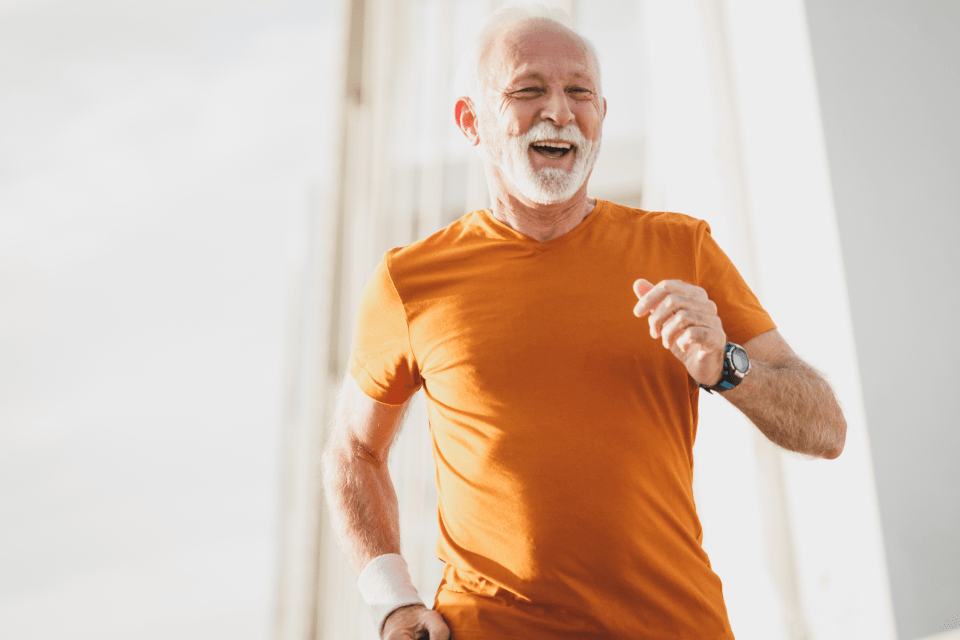
The guidelines are still in place that adults should do at least 150 minutes of moderate exercise or 75 minutes of vigorous exercise each week. As always, any kind of activity is better than nothing. What gets the most bang for your buck though? According to an article at cnn.com that reported on the study, racquet sports reduce the risk of death from heart disease by 27%, with an overall reduction in risk of early death of 16%. In second place, running reduced the risk of death from cancer by 19%, with an overall reduction in risk of early death of 15%. Coming in third, is walking, which is very good news since so many older adults engage in this activity as their primary form of exercise.
The other good news is that any other kind of activity also reduces the risk of early death. The information shared in this study is helpful, but only if you actually participate in that exercise. If you really like riding a bicycle, doing aerobics, dancing, etc., stick with what keeps you motivated and interested. It is better to do 150 minutes of “something” on a regular basis than to only occasionally participate in a racquet sport or running if you really do not like them.
The weather in getting colder in many parts, so now is the time to plan for possible changes in our routines. Walking and running may need to move to indoor track. Tennis and pickleball may also need to come inside. Plan ahead so that you can keep active, feel healthy, and live longer!
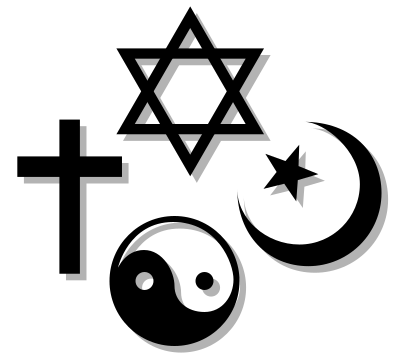
I have blogged in the past about the effects of religious practices on health. Fasting is a part of many religious traditions; intermittent fasting has become a “darling” in the weight-loss world. Forgiveness is central to most faith communities, and the positive influence of forgiveness has been proven both in the emotional/psychological realm as well as the physical. Developing a sense of gratitude, also has favorable effects.
Right now, Jews across the world are in the middle of the Ten Days of Repentance. This is the period that begins with Rosh Hashanah (the Jewish New Year) and ends with Yom Kippur (the Day of Atonement); it is a time of heightened spirituality, self-awareness, and soul-searching. It is followed five days later by Sukkot–a festive harvest holiday, as well as Simchat Torah when the lectionary cycle of the Torah concludes and begins again. It is a very busy time on the Hebrew calendar, and as a rabbi, I cannot help but wonder…is it good for us?
Many studies have shown the positive impact of being involved in a religious community. Religion can offer certain psychologic benefits such as a positive and hopeful attitude about life and illness, which can lead to better health outcomes and a longer life expectancy. Religion can also provide a sense of meaning and purpose, which have been shown to affect health behaviors; it contributes to stronger social and family relationships too, providing stronger networks of care when illness occurs. The National Institutes of Health reports that this is especially important in older adults who often experience a sense of loneliness and social isolation. A study conducted at the Ohio State University concluded that those with religious beliefs may live up to 4 years longer (at the very least) with all other things being equal; factor in gender and marital status, and that number can go as high as 9.45 years!
Of course, the picture is not completely rosy. There are some religious groups that focus on issues such as guilt or that may engage in coercive/controlling behaviors which are detrimental to health. There also some faith communities that eschew modern medical treatments. Be wary of religious groups and experiences that put health at risk.
Overall, however, it appears that having faith and being part of a supportive community can make a positive difference. In fact, research bears out that religion is not only good for the soul, it is good for the body as well!



 Kosher Fitness