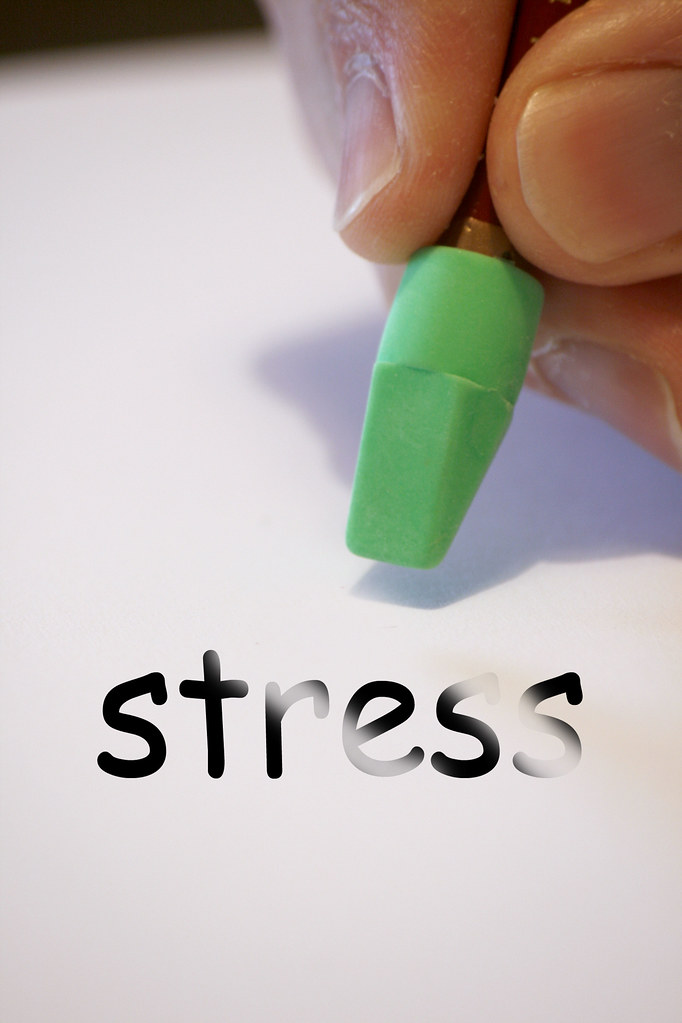
Late last week, I got on-line with one of my virtual clients. It was a couple of days after the riot in Washington and she told me that she was so distraught that she did not think she could work out. We spent a few minutes talking through things and then went on to have a productive (although shortened) workout.
For many people, this is a natural reaction to stress or trauma. They hunker down on the couch or under the covers and stress-eat. The stress saps their energy and they feel like they cannot even think about exercise. While this is understandable, we have to find strategies to overcome these obstacles. For some, it is contacting someone else who will workout with them (even remotely); for others, it is some kind of reward like “if get on the elliptical for 30 minutes I will treat myself to the next episode of whatever it is I’m binging on Netflix right now.” This is another reason why many folks use the services of a Personal Trainer; they know that s/he will hold them accountable and get them motivated. Whatever the strategy, have it in the toolbox so that when the time comes it is readily available.
One of the best ways to combat stress is to exercise. Physical activity–aside from the benefits to heart health, calories burned, etc.–can release endorphins in our bodies. These hormones are produced in the pituitary gland and create a natural “high.” At the very least, they can help lift our mood.
There will always be stress in our lives. God-willing, it will not be as traumatic as the events of this past week. There are many ways to manage stress, but often the stress itself talks us out of them. Plan ahead. Know what triggers stress behaviors. Understand what can get you through it. Follow that strategy.
Wishing everyone a better week ahead. Stay healthy. Stay fit. Plan for ways to manage that stress.
There is more research out that overturns the idea that exercise for older adults needs to be gentle and not very challenging (kind of like the picture above?).
The most recent issue of IDEA Fitness Journal discusses two recent studies.
One, conducted by the Norwegian University of Science and Technology, was a longitudinal study that compared the effects of 5 years of supervised exercise training among those over 70 years of age (men and women). The results showed that all types of physical activity were beneficial, but that those who participated in HIIT (High Intensity Interval Training) had a slightly lower risk of dying during those 5 years. In other words, there is a likelihood that HIIT exercises can increase longevity. The study was published in the The BMJ of the British Medical Association, and recommended that HIIT exercise be incorporated in the physical activity that seniors do.
For those unfamiliar, HIIT means that there are intervals (timed periods) of more intense exercise interspersed in more moderate exercises. For instance, someone going on walk for five minutes could walk for one minute at a regular pace followed by 20 seconds of more intense effort (faster or on an incline) then go back to regular pace, etc., until the 5 minutes are up. This elevates the heart rate and keeps it elevated throughout the workout; it is less intense that 5 minutes of straight running or speed-walking (which many people cannot sustain) but more challenging than simply walking for that time (which may provided more limited benefits).
The second study by University of Colorado researchers, published in Physical Therapy, showed that HIIT exercises can be applied to resistance (weight) training in a PT setting. It is safe and effective and can even double physical function in older adults in rehab after hospitalization; this can result in increased care and reduced costs.
All in all, this is nothing new. It only adds to the research out there that shows that there are many different approaches to training older adults. Of course, each individual is different; some older adults are frail while others are active. A good personal trainer will understand the complexities and create an appropriate plan for his/her client. This research, however, is important for the client and the trainer to take into account; going harder can have verifiable positive results.
One of the top activities for many people during this pandemic has been going for a walk. It gets us out of the house; being out in the open air is good for us and carries a low risk for transmission of COVID-19. Many people, however, want to know if walking really “counts” as exercise, or whether is is “good enough” to provide health benefits.
It is worth read; the author and the individuals quoted bring forth useful information. There is even a little summary at the beginning of the article. First, if you are tracking exercise using a device or other means, walking definitely counts; it can be any kind of walking (around the block or to the fridge!), as those who aim for 10,000 steps a day know. Second, walking can boost immune function and reduce the risk of coronary heart disease. Third, keeping active in bursts during the day can have benefit; those of us who are stuck at home most of the day (working or otherwise) can break things up with a quick walk outside or around the home. Finally, the article encourages us to do what we enjoy; if a person doesn’t like the stationary bike but likes walking, it makes sense to choose walking that one actually has a shot at doing on a regular basis.
The article goes into greater depth and discusses as well what walking can and cannot accomplish. I always tell folks that moving is definitely better than not moving. That being said, moving that involves a little more intensity is usually better than activities that do not. Walking at a slow pace and making frequent stops (like taking a dog for a walk) is better than sitting on the couch, but walking without the pet (alone or with a friend/family member) at a more brisk pace is even better. There is also the option of a kind of High Intensity Interval Training (HIIT) that I have done with many clients; walking for 2 minutes at a regular pace, then 20 seconds fast, and repeating the cycle is an example of this.
Most importantly, the article stresses, find what you like and enjoy. Intense exercise that we never do is not as helpful to our health as a moderate exercise that we carry out on a regular basis.
The author, Aine Kelly, discusses three ways that regular exercise can impact our brains.
It can help our memory. Exercise prevents loss of brain volume which leads to lower cognitive function; even better news is that exercise can actually increase brain volume. Especially affected is the Hippocampus which is necessary for learning and memory.
Regular exercise improves blood vessel health. Healthier blood vessels means that more blood makes it to the brain. Not only can exercise maintain blood vessels, but it has also been shown to help grow new ones. On a related note, exercise helps control blood pressure which is a risk factor for dementia.
Here is the really new stuff! We all have immune cells in the brain whose main function is to scan the brain for potential threats from microbes, or dying or damaged cells; these cells–called microglia–also clear away any damage they encounter. As we get older, microglia do not do their jobs quite as well, which can lead to inflammation in the brain, which in turn can impair our cognitive abilities. The latest research shows that exercise boosts the efficiency of microglia and prevents inflammation.
More research is needed to determine exactly what exercises will help the most, but it seems that the current recommendations of 150 minutes of moderate exercise (as a base-line) each week is still the ideal.
Kelly’s article adds to the growing body that should encourage us as we grow older. We are living longer and longer. If we exercise regularly, we can help to ensure that not only our bodies remain in good shape, but our minds as well!
By now, most of us are familiar with the symptoms, illness and too often death that result from COVID-19. It is has stressed nearly everyone…and that stress is having a negative effect as well.
The most recent issue of AARP Bulletin reported on a recent study published in JAMA Network Open (part of the Am erican Medical Association) noting increased cases of Stress Cardiomyopathy since the beginning of the pandemic. Stress Cardiomyopathy is often known as “broken heart syndrome;” great sadness or other major upset can actually cause heart muscles to weaken. This phenomenon was studied at the Cleveland Clinic and Cleveland Clinic-Akron General, where incidences of Stress Cardiomyopathy increased from 1.7% of patients before the pandemic to 7.8% between March 1 and April 30, 2020–when the full effects of COVID-19 were becoming known and affecting our lives.
Must we just sit back and take it? Must we allow our hearts to take a beating? Grant Reed, a cardiologist cited in the article, suggests that those feeling overwhelmed by the stress of the situation should share that information with their medical provider. In other words, this is not just an emotional issue, but a physiological one as well. The article noted that the symptoms of Stress Cardiomyopathy look a lot like the warning signs of a heart attack: chest pain and shortness of breath among them.
One line of defense is to work on reducing stress. We all have our own ways of dealing with it (I listen to Earth, Wind and Fire), but we may want to think about meditating (or prayer if that is a part of your tradition) and connecting with family and friends–even if that means over the phone or virtually, and only those family members who won’t stress you out even more!
Finally, exercise is also a great way to reduce stress. Physical activity can release hormones that make us happier called endorphins. Even if you cannot get to the gym, there are other ways to keep active like going for a brisk walk, riding a bike, on-line workouts, etc.
Many of us are indeed broken-hearted about the loss of life and suffering caused by COVID-19. Let’s do what we can to reduce our stress and build our immunity through exercise, proper rest, good nutrition and connections with others. Nobody wants to test negative to COVID-19 only to fall ill to the stress associated with it. Let’s take care of ourselves.
It can be confusing knowing just how much to work out and how hard to work out. Fitness professionals toss in words like cardio and resistance and acronyms like BMI and BPM and it’s enough to scare newcomers away from any kind of physical activity at all. How do we begin to think about this?
Workouts are roughly divided into two kinds of activity. Cardio (short for Cardiovascular) means exercises that are designed to get the heart pumping and the blood circulating. Cardio exercises include running, elliptical, cycling (stationary or real!), swimming, and brisk walking. It is true that each of these will also work your muscles, but their primary effect is to circulate rich oxygenated blood to the rest of the body while exercising the heart muscle. Resistance (or weight) exercises are primarily designed to maintain or build muscles. Examples are most activities that are done on weight machines or with barbells/dumbbells, etc. These include bicep curls, lat pulldowns, and leg presses. Again, there is often a cardio component to these exercises but that is not their primary purpose.
Ideally, any exercise program should include a mix of cardio and resistance. Overall, we should aim for a combined total of 150 minutes of moderate to vigorous exercise each week. Additionally, those who have never really been active and are considering upping their game should check with their physician to discuss possible limitations based on medical history.
Assuming all that checks out, how can we tell if our cardio exercise is really doing its job? A lot of folks tell me that they walk (the dog, on the treadmill, around the block); this is a good thing, but is it really cardio? Is it raising the heart rate and exercising the heart?
There is a simple formula to determine this. It is not exact but gives a good estimate. Take your age and subtract it from 220. That number is your maximum heart rate. For example if you are 60 years old, your maximum heart rate during exercise should be 160 BPM (beats per minute). This can be calculated by taking one’s pulse or by any number of devices worn on the arm that can track this. Of course, training at the max is great if you are an elite athlete, but what about the rest of us? Ideally, we should aim for a heart rate (BPM or beats/minute) of 65-85% of our maximum. For a 60-year-old person this would be 65-85% of 160–or 104 to 136 BPM.
Don’t be shocked if you measure your heart rate during what you consider to be cardio and find it to be well below the number for the ideal range. First, if you are on a blood pressure medication, your numbers will be “artificially” kept low. Second, this is an indicator that you may not be working hard enough. If you are on a piece of gym equipment, it is easy to check miles/hour, strokes/minute, etc., and then work to increase that. Many machines also allow you to adjust incline or resistance; this is another surefire way to increase the heart rate. If you are walking the dog and your dog enjoys a sustained vigorous pace, you may find you hit the range; if, however, your dog (like mine) likes to stop and sniff every few yards, it is unlikely you will get into the cardio zone. Another activity on top of the dog walk may be necessary to hit that 150 minutes per week
The advantages of paying attention to heart rate are many. It prevents us from working too hard and causing harm through overtraining, and also prevents us from not working hard enough and not getting the full benefit. When we do cardio on a regular basis, we help to strengthen our hearts (the most important muscle in the body), increase blood flow to the cells, and to the brain. Cardio exercise is the only clinically proven way to prevent or delay the onset of dementia since it assists in the proper “feeding” of the brain with oxygenated blood.
As for resistance training, how do we know if we are working too hard or too little? Watch for an upcoming blog post on that topic.
In the meantime, check your numbers. You may be pleasantly surprised…or find that the hard work is still ahead.
I was on a Zoom call on Thursday when someone noticed that I was wearing a sling. I explained that I had bicep surgery and she said something along the lines of “that’s what you get for exercising.” I politely (but firmly responded) that I had overdone it at some point which is probably how I got injured, but that I would take exercising regularly over sitting on the couch any day as a strategy for healthy living.
It amazes me the “excuses” people come up with for not taking better care of themselves. Can you imagine someone having accidentally burned the dinner they were preparing at home and then declaring, “that is why I always get fast food?” (Actually, I can.) Ruining a meal is bound to happen once in a while; we either misread a recipe or get distracted and forget that something is on the stove top or in the oven, etc. Most of us just chalk it up to a learning experience and figure out what to make instead. The alternative–eating out all the time (even pre-Covid-19)–is simply not healthy or sustainable.
The same is true with exercising. It is true that those who workout/run/bike do get the occasional injury, and that many of us more susceptible as we age. Even so, the alternative of becoming sedentary is not an acceptable option. Sports injuries are usually repairable. Heart disease, diabetes, obesity and other maladies associated with a sedentary lifestyle are much more difficult to correct. As we live longer, it is all the more important to not only have quantity of life, but quality of life as well.
A large part of my “business” as a personal trainer is working with older adults. These are often those who are most afraid of injury, and rightly so. My clients understand, however, that being active (cardio, resistance, and mobility training) is a recipe for more energy and greater independence. Being able to keep up with grandchildren, hiking the Galapagos Islands, and staying in their own homes are “what they get for exercising.”
Looking at my should in a sling, one could correctly state: “that’s what you get for exercising,” but that misses the point. The fact that I am 57 and am able to run, bike, hike, and pretty much engage in whatever physical activities I desire (once I am recovered from my surgery) is also “what I get for exercising.” I’ll take my calculated risks knowing that in the long run the payoff is worth it.
They say that aging is not for the faint of heart.
Each year, it seems, my body surprises me with something else. Last year I had an emergency appendectomy–not fun at all and with a harder recovery than I expected. Three months later, I finally took care of a long-standing issue with Plantar Fasciitis that led to another surgery–also not the least bit enjoyable with an even harder recovery.
In the midst of COVID-29–which, thank God, I have avoided thus far–I have had a skin cancer with surgery (about which I blogged earlier). I will be having shoulder surgery in the not-too-distant future to resolve bicep tendonosis. And did I mention that some of my labs came back “funky” and I’ll need some more evaluations?
Definitely not for the faint of heart.
There are times when I do feel like I’m falling apart, like I am a broken robot whose circuits and switches are malfunctioning. The weird thing, though, is that I am still running (thanks to the surgery on my foot last year), am still working as a personal trainer, go for long bike rides a couple of times each week, can hike, and do the other activities that I enjoy. It is all relative. I sometimes see pictures of others my age and think that I’m actually doing pretty well, if not excellent. Others who see me tell me how great I look and ask how I keep in such good shape. And yet, there are days where I feel like I’m simply holding on with toothpicks and glue.
My attitude has evolved into the following. My father lived until he was 85. He had a lot of health issues including diabetes, heart disease and Parkinson’s, and did not always take the best care of himself. If I manage to make it to 85 that means I have another 28 years to go (God willing). I plan to do all the maintenance and repairs so that my body will help me to do all the things I want to do as I age. It is kind of like taking care of a car; as long as we are faithful with the upkeep, the car should last a good long while…and may even become a classic!
I know that this is not the end of the surprises. I am sure that other parts will fail me every now and again. I am fortunate that I have access to health insurance and can deal with my issues in a planned way rather than at the ER when the situation becomes critical. I do worry about so many others who do not have the same privileges that I do. This too is part of the social protest movements that are going on.
The main thing is to listen to our bodies, to care for them, to keep them well-nourished, well-exercised and well-rested. We cannot control everything that will happen, but we can keep ourselves as strong as possible so that when parts fail, we are better able to address the issue.
That is my strategy as I make my way into territory that is not for the faint of heart.
Here is a great post from FitAmbitiousBlond. Something to consider as we make our way through this pandemic. We are not just sitting ducks. Aside from wearing masks, staying home, washing hands, etc., there are things we can do to keep ourselves healthy that help to boost our immune system at the same time.
This past week I have begun to do a lot more personal training via Zoom. In addition to my daily 10 am class on Facebook, I have book quite a few of my clients for 30 minute sessions.
A few of them have managed to keep their workout schedules, albeit somewhat modified for the situation. Most of the others, however, have allowed themselves to become sedentary. It is true that they are cleaning around the house, etc., but not a lot of activity that challenges the muscles and raises the heart rate.
A lot of research has been conducted about “backsliding.” Most of it shows that within 30 days one can already begin to see the effects of not working out: loss of muscle tone, decreased stamina, loss of mobility and flexibility. I always thought that number was a bit of an exaggeration. One month! Really? That’s all it takes?
Well, guess what? Some of my clients are really struggling as we get back into a healthy routine. I feel like I’ve had to step back quite a bit from where we were before the quarantine. I am grateful that I am able to help, and this is a warning to all of us.
The situation is difficult. This is all the more reason to take care of ourselves. The inclination is to sit on the couch and snack but that is dangerous. When this is all over (soon I hope), what shape will we be in physically? Let’s also not forget that getting plenty of sleep, exercising and eating right boosts our immune system. By “letting ourselves go,” we put ourselves at greater risk of contracting viruses, etc.
It’s not too late. This could go on for a while. Get up, get online. Google a workout. Find equipment at home that you can use–canned goods make good hand weights, and you can also make use of towels, pillows, etc. Get moving! You’ll be glad you did.