Training Clients with Dementia

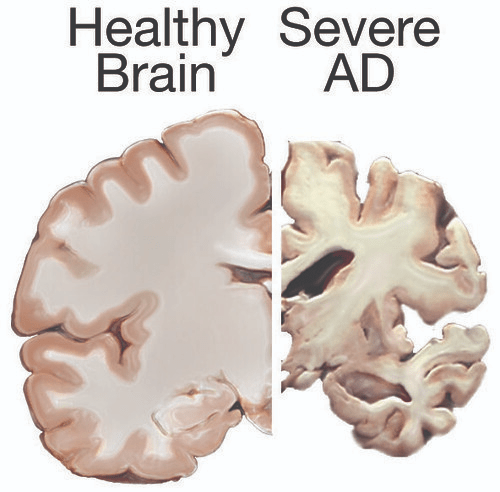
September is World Alzheimer’s Month; it is a time to raise awareness about Alzheimer’s disease, promote brain health, and support those affected by the condition. 

As part of my education to become a Personal Trainer, I had to learn about working with “special populations;” this can refer to youth, those with chronic diseases, and those with disabilities. After my certification as a trainer, I studied to become a Functional Aging Specialist. After obtaining that specialization, I was better prepared to work with older adults living with a wide variety of physical and cognitive conditions. I thought I knew all that I needed to know to work with people living with dementia.

Book-learning and seminars, however, are no substitute for hands-on experience. Over the last seven years, I have had the opportunity to work with several clients at various stages of Alzheimer’s Disease or other forms of cognitive decline. It is interesting and challenging work, and I have learned a lot.

There is a question, though, about what the benefit of such an exercise program might be. I have posted about this in the past, but it bears repeating as we work our way through World Alzheimer’s Month. The only non-medical way in which brain health can be improved is through exercise in conjunction with a proper diet and sufficient rest. The heart pumps and circulates nutrient rich blood to all parts of the body; when we exercise (especially cardio) that process speeds up and brings more nourishment to the cells, including those in the brain. Research shows that regular exercise can help to slow the progression of the disease.

There is another aspect though which should not be overlooked. For some of my clients with dementia, the time that I spend with them is an opportunity to engage socially with someone aside from family or caregivers. I always come prepared for a workout especially designed for the client and his/her capabilities; in that respect, they are no different than my other clients. What is different is the way the session may proceed. I usually need to demonstrate exercises several times–even after we just completed a set; this requires patience on my part, but I have gotten accustomed to this and it has changed the way that I cue all my clients for the better.

Related to this is that I must modulate the conversation that I have with my clients with dementia. Ask any of my clients and they will tell you that I love to chat during our sessions; it helps to engage the client and make the session appear to move more quickly–while still getting the same amount of work done. The kinds of questions I may ask clients with Alzheimer’s Disease and the topics we might discuss are different. In most cases, I cannot ask “how was your weekend?” as they may not remember. I can usually ask about things that happened many years ago (those memories are often preserved), but most of the time I focus on the present moment. I may talk about what is going on in my life or the weather or the local sports teams. I like to focus on the present moment and making the most out of it for my client–from an exercise and social standpoint.

World Alzheimer’s Month is a time to reflect on the way that this disease has affected so many individuals and families. It is a time to advocate for more research (rather than cuts in funding). It is also a month in which we can reach out to those around us with dementia and help to make their present moment just a little bit brighter. I am proud of my role as Personal Trainer in helping to make that a reality.

Trying New Adventures

7350787431356042944-1

I have to admit that as I get older, I sometimes get skittish about trying new adventures. When some friends from Columbus suggested we “meet in the middle” to go snow tubing in Mansfield, OH, I was not so sure about it. My wife, on the other hand, was totally into it…and I did not want to be a party pooper. The weather forecast for the day was very cold (low- to mid-20s) and I was secretly hoping we might cancel and go for something a little more tame. Nobody backed out, so we met for lunch before heading to the tubing site. We laughed at the table as we all admitted that we were a little scared about this new experience; I was sure we would need an EMS to carry us out of the place!

As we approached our first run (pictured here-that’s me in the orange hat), I was more than a bit concerned. The moment we started going, though, it all turned in to laughing and whooping. The snow on the chutes was well-packed and icy, and we flew! We could not wait to do it again and again. We even forgot about the cold. What a great day with good friends.

I bring this up because I think many older adults are afraid to try new experiences. There is fear of the unknown, fear of injury, and fear of not enjoying it. These are all legitimate, but there is a price to be paid for not attempting new things: it can be harmful to our emotional health. Research shows, as well, that novel experiences are good for our brain health.

I am not suggesting that everyone has to go snow tubing on a cold winter day, but rather that even with our decades of experience, there is a lot out there that can be new and exciting to us. There are adventures that are more tame like going to a new museum, a state or national park, or volunteering for a cause you care about. More challenging might be going camping, taking a canoe trip, or traveling overseas. Then there are more serious adventures like snorkeling/scuba diving, going on an ATV ride, jumping out of a plane (with a parachute!), or even running for office. Each one of them has the potential to stimulate our senses, our minds, our imagination, and our sense of self-confidence. Doing them with friends or family members can create special memories and opportunities for social interaction and growth.

I don’t know if I’ll ever go sky-diving, but this year does hold plans for some domestic and overseas travel. I will be going to a conference to pick up continuing education credits to keep my Personal Trainer credentials current, and look forward to learning a lot. I may also consider taking on a new language!

Keep your life exciting–and remember your limitations so that you can keep yourself healthy and safe. Remember, it is not the years in your life that matter, but the life in your years!

Brain and Brawn

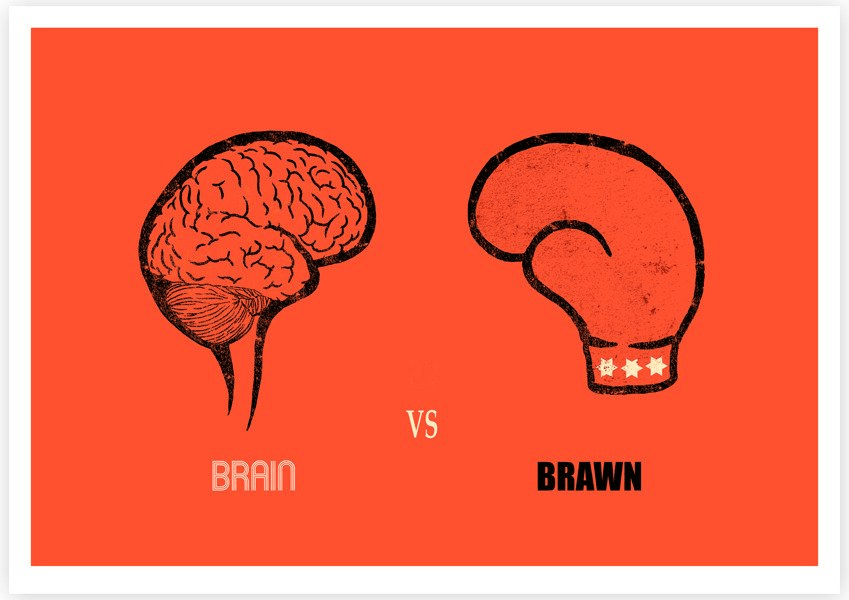
The question of which is more important in getting through life–brains or brawn–has been around for a long time. What brings the greatest success–physical strength or intellect? The truth is that at different times one or the other may be more critical to overcome an obstacle. The ability to pivot between them is key. A recent study shows that there is an important connection between them for older adults.

An article that came out in early December, 2024, in Medical News Today describes the results a study at Johns Hopkins Medical Institution that will be formally presented in the near future connecting sarcopenia and dementia. Sarcopenia is a condition in which a person loses strength and/or muscle mass; this generally occurs as a result of inactivity and is seen a great deal in older adults.

Researchers looked at the temporalis muscle in a statistically significant group of older adults; this is the muscle that is responsible for closing the jaw. A small temporalis is associated with smaller overall muscle mass in the body, and a larger temporalis points to larger overall muscle mass; this makes it an easy indicator to assess whether a person has sarcopenia or not. The temporalis of each study participant was evaluated and it was found that those with smaller ones (ie., with lower muscle mass) were much more likely to develop dementia at the end of the study (around six years later).

This news is significant because it points to another way that dementia can be identified early, and even how the odds of it developing can be reduced. The greater the muscle mass, the lower the risk. How can muscle mass be increased? Two main factors are at play. First is exercise; resistance exercises (using weights) help to increase muscle mass. There is a misconception that older adults necessarily lose muscle mass, but it can be prevented or slowed with continued exercise. The second is consuming enough protein; protein is what helps to maintain and build muscle. Protein can be found in meat, poultry, fish, and eggs, but there are many plant-based options such as beans, nuts, and lentils.

People ask me why individuals use a personal trainer in their senior years. The motivation, in general, is different than younger folks; it is less about appearance or sports performance and more about maintaining general health and independence. We have known for a while that cardio exercise (the kind that gets your heart pumping like running, cycling, dancing, etc.) is good for the brain; it gets the blood to circulate so that it brings rich nutrients to all the cells–including brain cells. Add to this now that resistance exercise is another brain healthy activity!

This study is just one more reason for us to ensure that we are getting both cardio and resistance exercise. It is not just good for our muscles, but for our brains too!

Super Agers: What Are They and How Can We Become One?

It is no secret that Americans are living longer and longer. Just because the quantity of our years is going up does not necessarily mean that the quality of those years (especially closer to the end of our lives) is going up as well. In fact, one of the greatest fears of older adults is remaining physically sound while losing cognitive and mental capacity.

There are, however, those who manage to live well into their 80s and beyond while remaining “sharp as a tack.” Those who reach the age of 80 with the cognitive capabilities of someone decades younger is referred to as a Super Ager. Who would not want to be a Super Ager? It is the best of all worlds! The good news is that researchers have found six “habits” that Super Agers have in common that can guide us as we hope to achieve this status.

  1. Super Agers maintain a healthier diet. 2 servings of vegetables/day, 2 servings of berries/week, and one serving of fish/week have a positive effect on brain health. Other foods to include for better brain health include nuts, whole grains, olive oil, beans, and poultry.
  2. They have connected social lives. Studies show that more loneliness leads to greater chances of memory loss. Super Agers seek out social networks and meet new people.
  3. They are better at managing stress. Older adults who find ways to manage stress (through exercise, meditation, etc.) have better health outcomes. (More about this below.)
  4. Super Agers are intentional about getting enough rest. The more sleep-deprived we are, the lower our cognitive ability, the worse our mood, the weaker our immune system, and the more difficult it is to manage blood sugar. 7-8 hours of sleep per night is recommended.
  5. They engage in a variety of brain-stimulating activities. Aging can cause declines in our cognitive abilities due to increased dysfunction in the pre-frontal cortex of the brain. Activities like crossword puzzles, Sudoku, reading, listening to lectures and music, as well as some word games can actually improve brain function, problem-solving skills, and the ability to think nimbly.
  6. They exercise regularly. This very much related to #3 since exercise can be a stress-reducer. Regular exercise (both aerobic and non-aerobic) increases the production of Brain-Derived Neurotrophic Factor (BDNF), a protein in the brain and spinal cord that helps nerve cells survive and grow. Aerobic (or “cardio”) specifically reduces cognitive impairment and the risk of dementia.

The trend seems to be toward continued rising life expectancies. Medical science has focused on the quantity of years; our personal behavior, energy, and priorities should be focused on the quality of those years. Following the steps above are no guarantee that we will become Super Agers, but it is noteworthy that Super Agers share these commonalities.

For some of us, this will require a lot of adjustment (especially in our diet). Even modest changes can have an impact. The effort certainly seems to be worth the payoff.

Let’s Talk About TED

For the next installment of my journey through Long-Haul COVID brain fog, let’s have a TED talk talk! TED talks began in 1984 with a conference on Technology, Entertainment, and Design. The first video of a TED talk went on-line about 17 years ago and the topics have expanded to include science, business, education, arts, and important issues facing the world. They range in length from under 5 minutes to well over one hour.

Over the years, I had seen a few TED talks that made their way onto my social media feed or that had otherwise been recommended by family or friends. A couple of months ago the speech therapist I was seeing to help with my brain fog suggested I start watching the videos as a way to help my brain. I was to aim to watch one video each day and take notes; the next day I was to try to recall as much as I could. If I was able to hit 75% recollection on a regular basis, I could move on to podcasts which are almost entirely audio-only. (I am not there yet.) This exercise was to help with my auditory processing; the continuing exercises would sharpen my listening skills and attention to details. This was to go hand-in-hand with the brain games I am also doing daily that I blogged about earlier.

What I really enjoy about the TED talks is that I can choose the topics and the length depending on the time I have available and what interests me at the time. Sometimes I will choose something that does not really interest me just to see if I can expand my horizons. Neuroscientists have long reported that the brain is plastic, ie., that is capable of change at any age. We can build new neural pathways during our entire lifespan. One of the ways that we do that is by learning new things. It could be a new hobby like playing guitar, taking a class at a local university, or even just watching a brief video. The best part about TED talks is that one can watch for free–although there is an upgraded membership–and nearly every day there is something new to watch.

I do find that I am able to recall quite a bit the next day. I know that I will have to graduate to podcasts soon…but I have the feeling that I will continue to watch my TED talks even after graduation. It never hurts to learn something new every day. In fact, it helps keep the brain healthier and more capable.

Mental Health and Nutrition

Followers of this blog know that I have been dealing with brain fog as symptom of long-haul COVID. I have blogged about it twice: once in December and once earlier this month. I continue to work with a speech therapist, follow the advice of the integrative medicine specialist I met with, and play my daily brain games. As part of this process, I have learned about expected factors that can affect how well my brain is functioning.

It has long been known that exercise can have positive effects on our brains–not just with regard to preventing cognitive decline, but also in fighting depression and anxiety. An overall healthy lifestyle that combines exercise, good nutrition, plenty of rest, and good social connections can influence our mental wellness.

The connections between nutrition and mental health goes back about 3000 years when it was noted by the ancient Chinese; this continued through the Greek and Roman periods right up to the 21st Century. In the last 20 years there has been a surge in research about which foods can improve mental health, in what quantity, and prepared in which ways. I recently completed a continuing education course that focused on this very topic; the on-line instructor was Maggie Moon.

Several takeaways from the class were:

–The main mood-regulating neurotransmitters are affected by nutrition. Certain foods can boost brain health such as berries, oysters, chia seeds, salmon, walnuts, kale, water, and watermelon.

–When it comes to mental illness, there are nutritional strategies that can complement other treatments. Certain foods have been found to have high anti-depressant properties. Chief among them are foods that are high in Omega 3 Fatty Acids; the brain needs fat and is also hungry for foods rich in anti-oxidants.

–The top foods for fighting mental illness have been found to be: vegetables, organ meat, fruit, seafood, beans, meats, grains, nuts and seeds, and dairy. The most recent studies place special importance on more nuts and vegetable diversity.

–Some foods have a negative effect on mental health: butter or stick margarine, whole-fat cheese, fried foods, red meat, and pastries/sweets. These should be consumed in limited quantities.

The presenter suggested that the easiest way to follow these recommendations is to follow the Mediterranean Diet, the DASH Diet (Dietary Approaches to Stop Hypertension), or the MIND Diet (Mediterranean-DASH Diet Intervention for Neurodegenerative Delay). The MIND Diet takes the best of Mediterranean and DASH with a few adjustments. Traditional diets (Japanese, Norwegian) are also good for reaching the same goals.

We all know that what we eat matters when it comes to our physical health. We may also know that certain foods can either help or harm our cognition. What is exciting is to know that the right nutrition can also improve our mental health.

Making the right nutritional choices is part of an overall healthy lifestyle–not only for the part of us below the shoulders, but from the neck up as well!

Does Your Brain Have Time for a Quickie?

Almost two years ago, I blogged about the benefits of shorter workouts. Studies show that short bursts of activity have positive effects on one’s physical health; this is good news for those who do not necessarily have a lot of time in their day to exercise, but who might have smaller chunks of time throughout the day. Getting up from a desk or couch and engaging in moderate physical activity can still have a positive effect.

New research was reported on this week that not only can Quickie workouts have physical benefits, but they can also improve our brain health. A study at the Institute of Sport, Exercise, and Health at University College London found that people who spent even smaller amounts of time (6-9 minutes) in vigorous activity each day had higher cognition scores compared to those who did not. Vigorous activity was defined as aerobic dancing, jogging, running, swimming and biking up a hill–activities that boost heart rate and breathing. The researchers looked at how this affected participants’ short-term memory, problem-solving, and processing skills.

This is just one more important piece of research that proves how important exercise is–and reinforces the connection between physical activity and brain health. Although there are some brain games and other activities that help build brain health, the single biggest factor in improving cognition is physical activity; the more we exercise, the more blood our hearts pump to the cells keeping them properly nourished and doing their jobs. Of course, this includes all those cells in the brain.

In upcoming blog posts, I will explore this further and talk about ways that brain health can be boosted further by exercises that combine both physical and cognitive tasks.

Until then, get up off the couch–even if it is for less than 10 minutes–and get moving! Your body and your brain will thank you.